DIGDigital Literacy
Using AI Chatbots for Research: Benefits, Limits and Verification
What AI chatbots do well and badly in research, why they invent citations, how to verify their output, and how to cite or disclose their use in MLA and APA.
Lesson-ready collections, primary sources, research instruction and classroom tools. Every resource is checked by hand and labeled with its cost, account requirements and audience.
77 guides and 113 resources
DIGDigital Literacy
What AI chatbots do well and badly in research, why they invent citations, how to verify their output, and how to cite or disclose their use in MLA and APA.
DIGDigital Literacy
What students may reuse in projects: copyright basics, the four fair use factors, the public domain, Creative Commons licenses and proper attribution.
HISHistory and Geography
How to search digitized newspapers, the National Archives Catalog and oral history collections, read archival sources carefully and record citation details.
DIGDigital Literacy
A five-minute fact-checking routine built on SIFT: stop, check the source, find better coverage and trace claims to the original, with three worked examples.
TLSOnline Tools
Free tools for writing, math, citations, study and accessibility, with honest notes on cost, accounts and children's privacy, plus a way to vet any new app.
LRNFree Online Learning
What makes a resource open, how each Creative Commons license works, how to attribute and remix correctly, where to find OER and how to judge their quality.
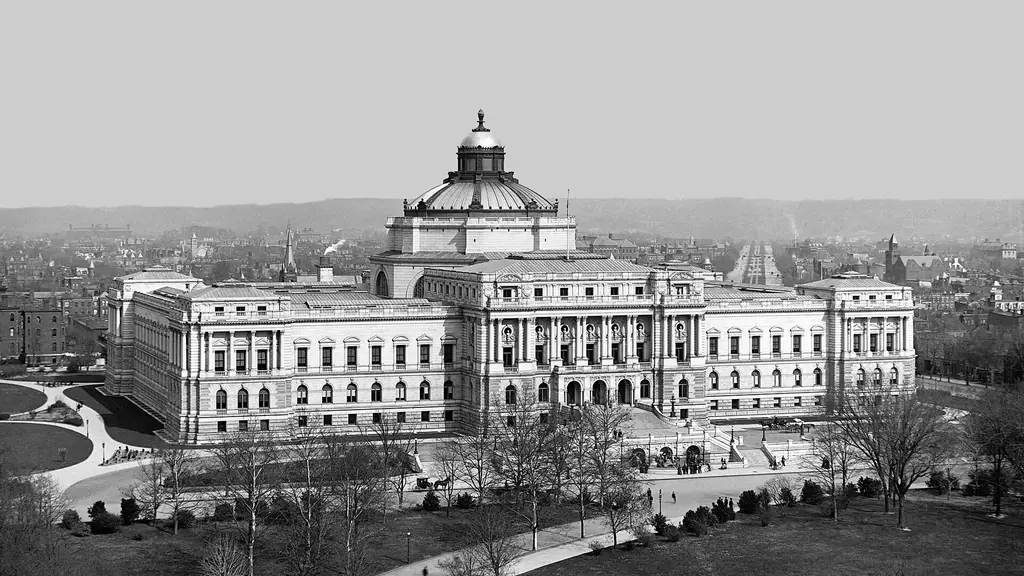
TCHFor Teachers
Free tools for teaching with primary sources: Library of Congress and National Archives analysis guides, DocsTeach, ready lessons and routines by grade.
TCHFor Teachers
Where teachers find vetted, free lesson materials, and how to check quality, standards alignment, licensing and accessibility before using them in class.
DICDictionaries and Encyclopedias
How Wikipedia works, how to judge an article from its citations, history and talk page, and how to move from Wikipedia to sources you can actually cite.
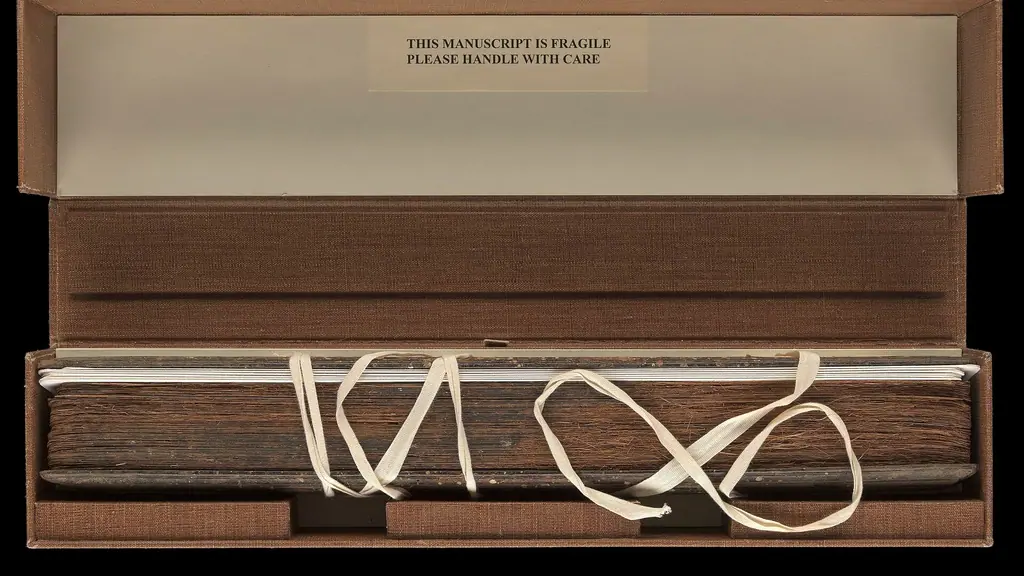
REFReference and Research
Learn to tell primary, secondary and tertiary sources apart, with examples from history, science and literature, plus ways to find and read primary sources.
TLSOnline Tools
Step-by-step reverse image search with Google Lens, TinEye and Bing, plus video keyframes, photo metadata, Content Credentials and the limits of each method.
DIGDigital Literacy
How to recognize look-alike news domains, partisan pink slime sites, fake article screenshots and ads dressed as news, plus a two-minute source check.
EDUEducational Resources
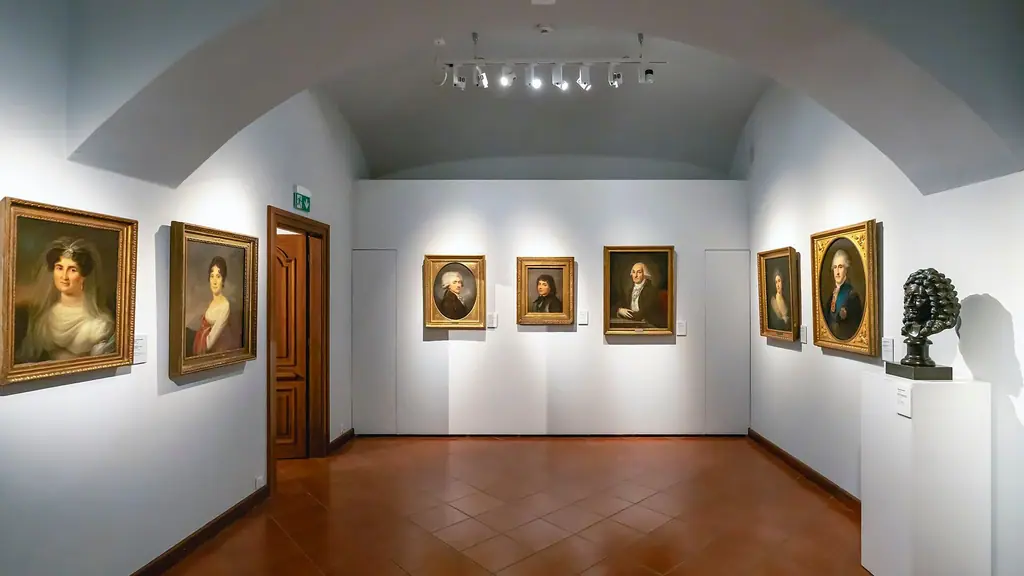
Major museum collections and virtual tours online, from the Smithsonian, The Met and the British Museum, with image reuse rules and classroom ideas.
SCIScience and Mathematics
A shortlist of free, trustworthy science resources by age and subject: biology, chemistry, physics, earth and space, plus simulations and citizen science.
GOVGovernment and Public Information
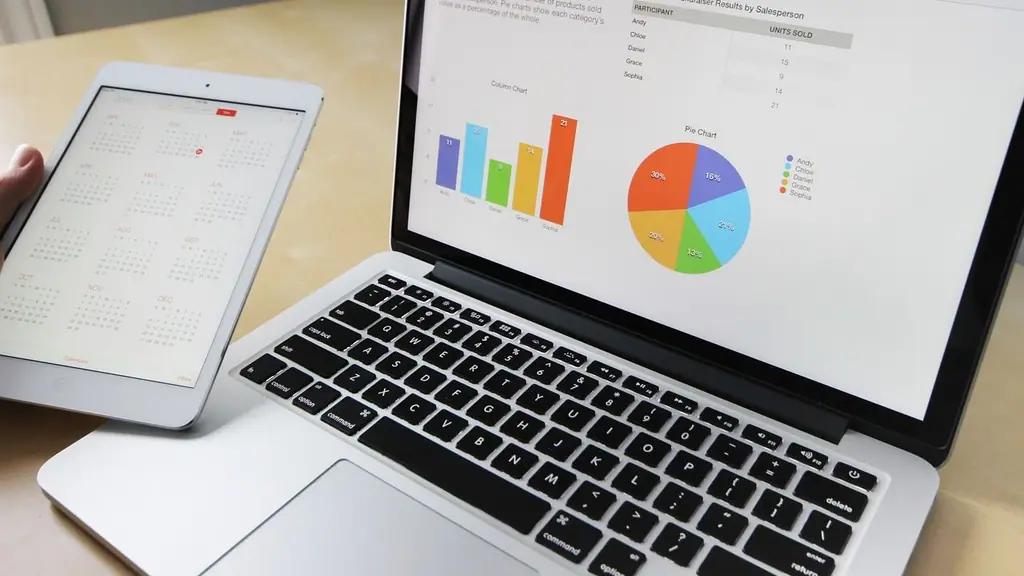
Find, download and sanity-check government open data: Data.gov, Census, World Bank and more, with file formats, citation tips and simple student projects.
RESResearch Tools
Side-by-side MLA 9, APA 7 and Chicago examples for web pages, news articles, videos, social posts and chatbot output, plus citation generator pitfalls.
SAFInternet Safety
How to set up safer searching for children: trusted starting points, SafeSearch and parental controls, and research habits that protect better than filters.
SCIScience and Mathematics
Free math resources by level, from arithmetic to calculus: lessons, practice, graphing calculators, open textbooks and university courses, and how to use them.
STUFor Students
A week-by-week plan for school research projects: narrow a topic, write a question, find and read sources, take notes, then cite them in a bibliography.
DIGDigital Literacy
Misinformation, disinformation and malinformation explained: why false claims spread so fast, how prebunking works, and how to talk about it with family.
LIBLibraries and Archives
What public domain means under U.S. law, how Public Domain Day works, how to confirm a work's status, and where to find free texts, images and recordings.
RESResearch Tools
A practical student research toolkit: library databases, Google Scholar, CORE, ERIC, PubMed and Zotero, with how to choose the right tool for each assignment.
DIGDigital Literacy
Lateral reading, SIFT and the CRAAP test compared: what each method asks, where checklists go wrong, and a worked example of checking an unfamiliar website.
STUFor Students
A subject-by-subject shortlist of free educational websites for math, science, history, writing and languages, with ages, account needs and why each is trusted.
REFReference and Research
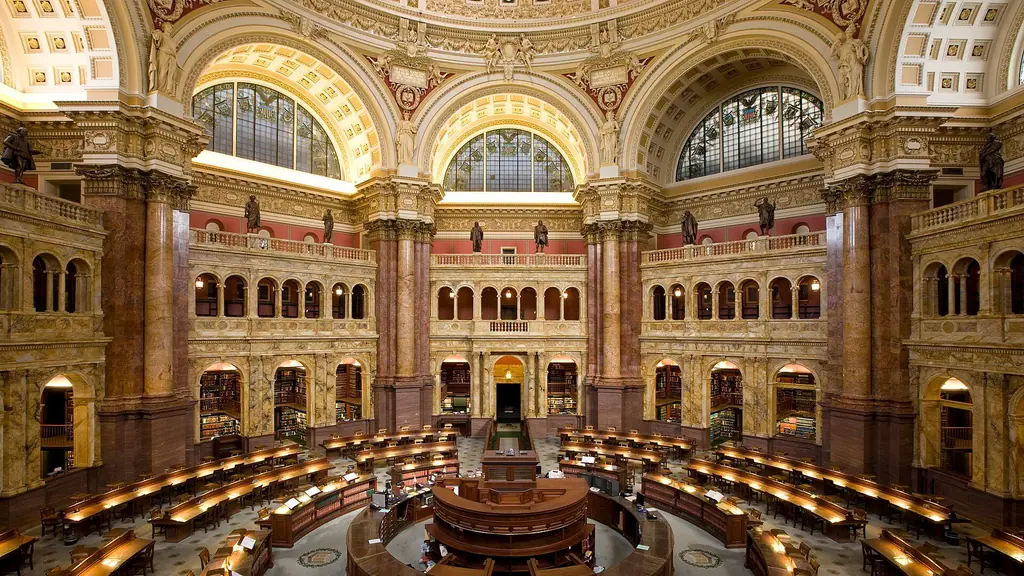
A five-step method for finding trustworthy information online: frame the question, pick the right source type, search well, read laterally and record it.
HISHistory and Geography
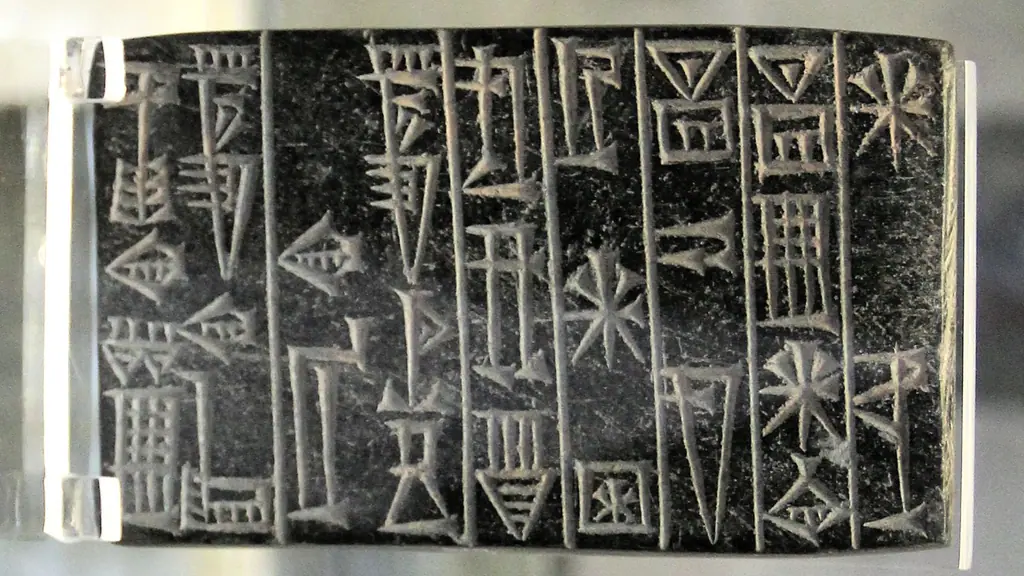
What survives of early written law, from Ur-Nammu and Hammurabi to the Twelve Tables and Justinian, and where to read reliable translations of each code.
DIGDigital Literacy
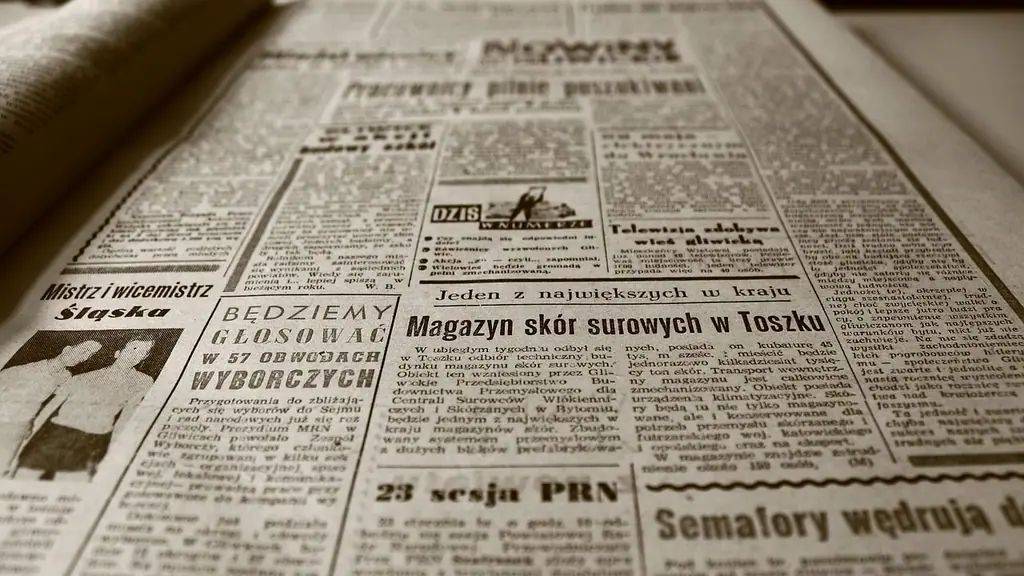
How to find and judge news sources at the local, national and world level, spot the signs of quality journalism, and stay informed where local news is thin.
SCIScience and Mathematics
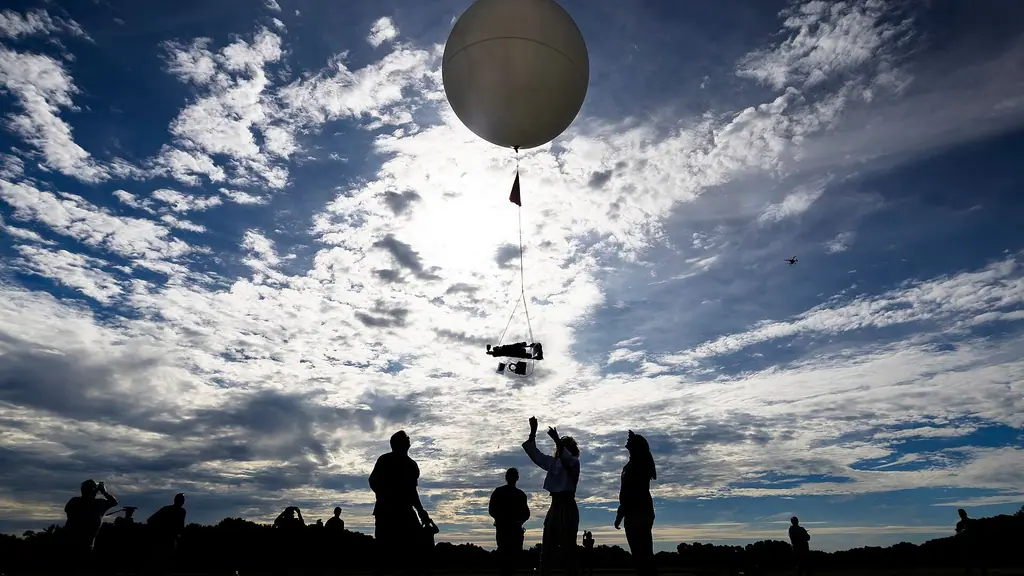
Where to get official U.S. forecasts, radar and severe weather alerts, what watches and warnings mean, and the best free resources for learning weather science.
HISHistory and Geography
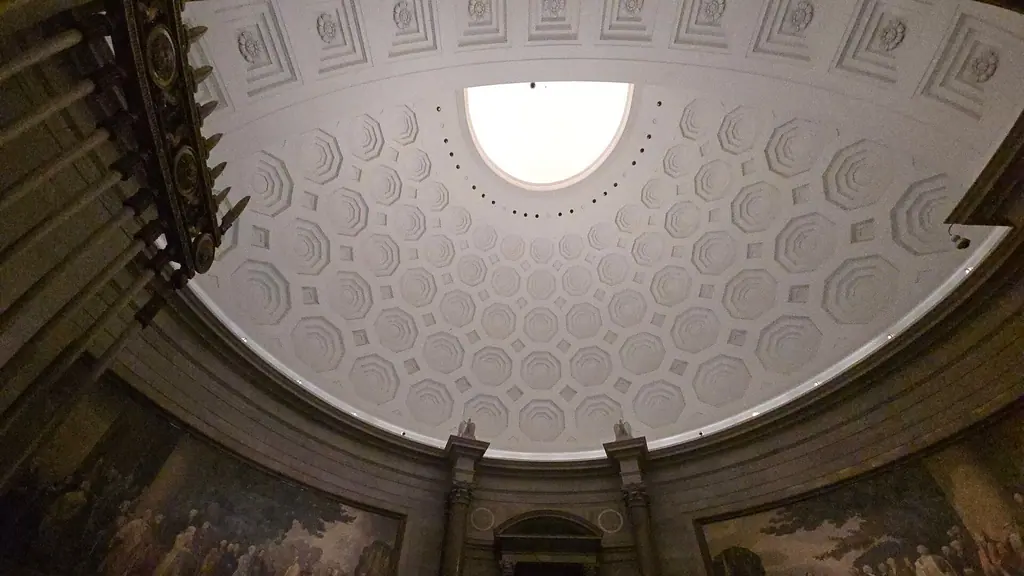
Where to read reliable transcriptions and images of Magna Carta, the Declaration of Independence, the Emancipation Proclamation and other key documents.

SCIScience and Mathematics
Reliable sources for animal facts and wildlife research: scientific names, conservation status, museum and university databases, and safe wildlife watching.

LRNFree Online Learning
Where to find free, openly licensed textbooks for high school and college, what Creative Commons licenses allow, and a checklist for judging a book's quality.
HISHistory and Geography
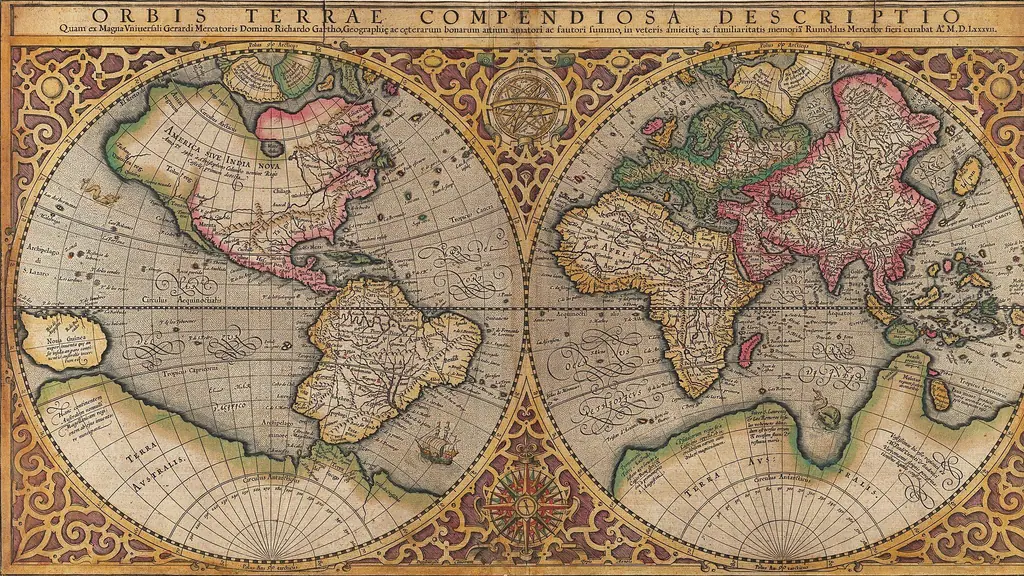
Where to find free historical and current maps online, how to read scale, date and legend before trusting a map, and how to cite maps in school research.
HISHistory and Geography
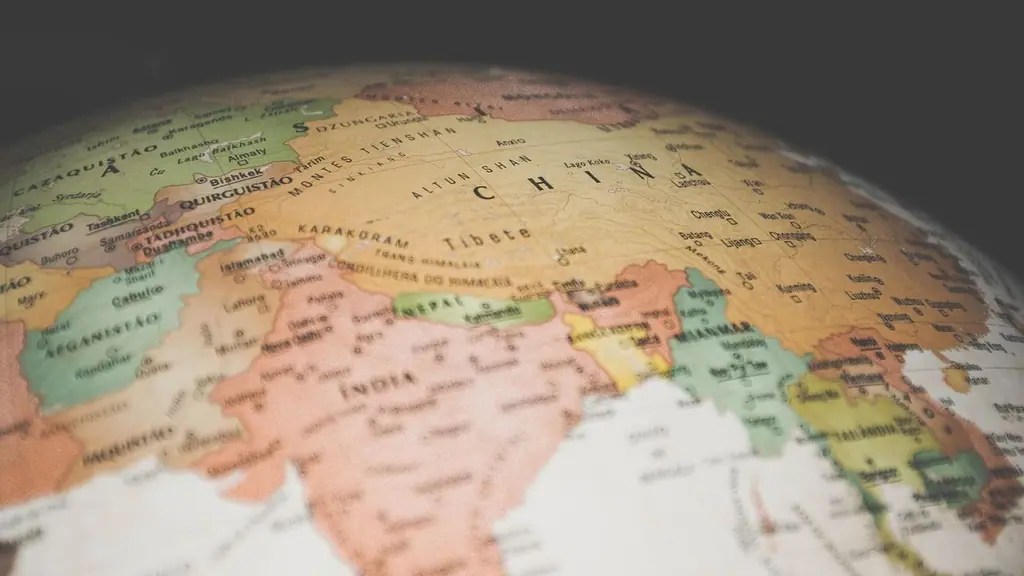
Free, reliable geography resources for students and teachers: official maps and place names, satellite imagery, country data and practice tools.
HISHistory and Geography
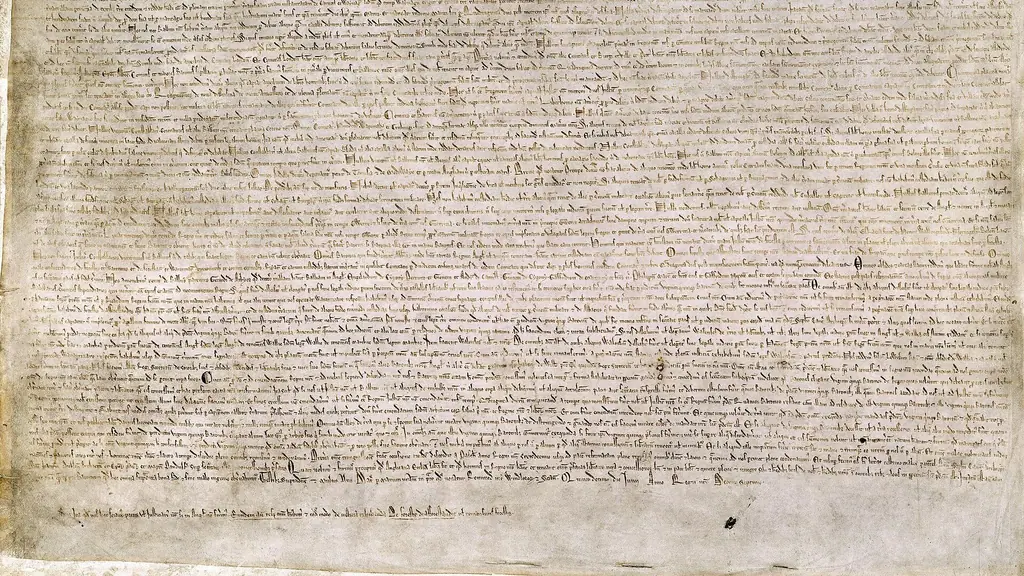
Where to read reliable full texts of landmark legal documents and trial records, from Magna Carta to Nuremberg, and how to handle translations.
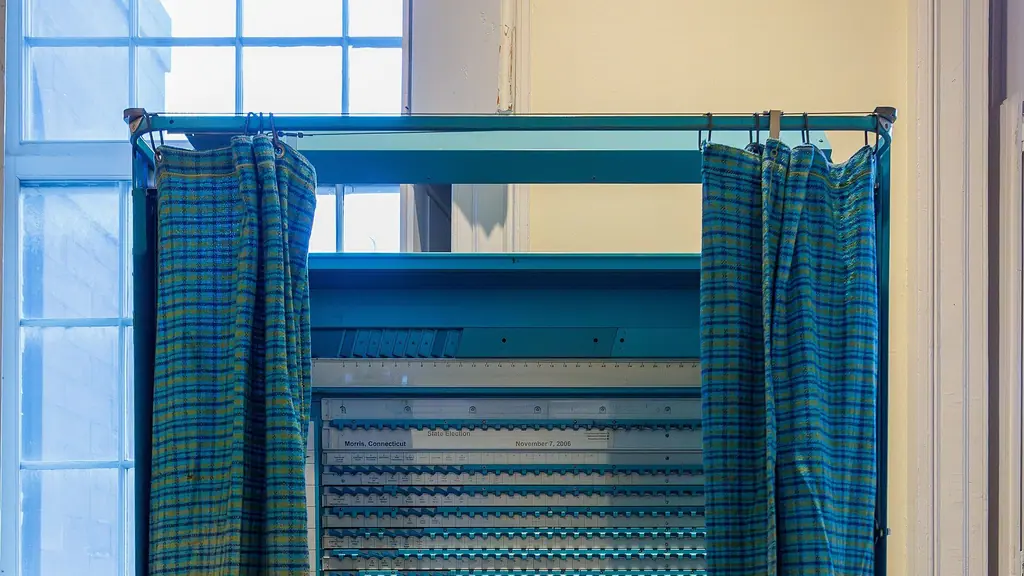
GOVGovernment and Public Information
Official and nonpartisan sources for registering, voting, checking your ballot, researching candidates and following campaign money in U.S. elections.
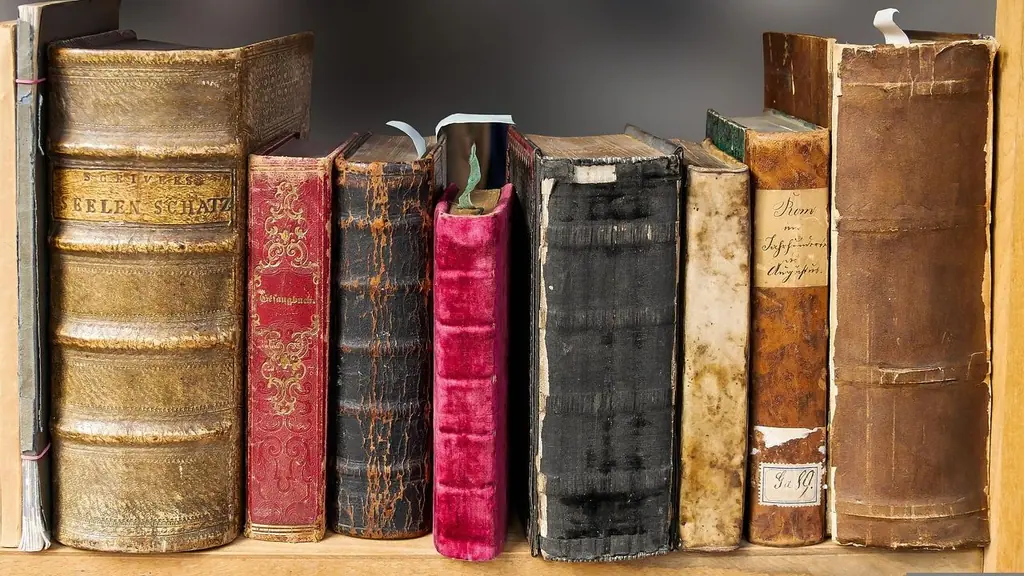
LIBLibraries and Archives
Where to read classic novels, plays and poems legally for free, how the U.S. public domain works in 2026, and how to choose a reliable edition.
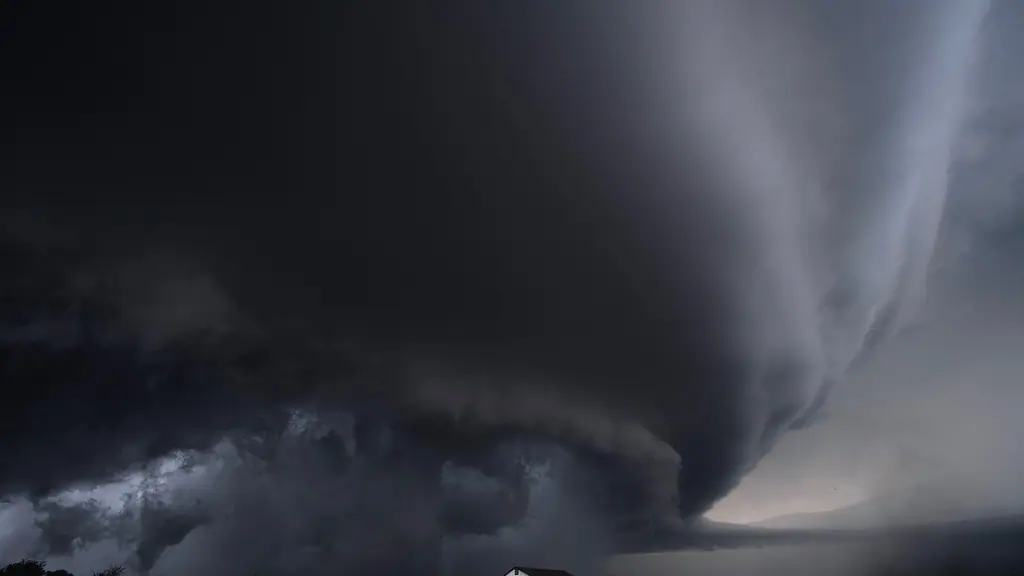
SCIScience and Mathematics
How scientists study tornadoes and severe storms, how SKYWARN spotter training works, what watches and warnings mean, and why chasing is risky.
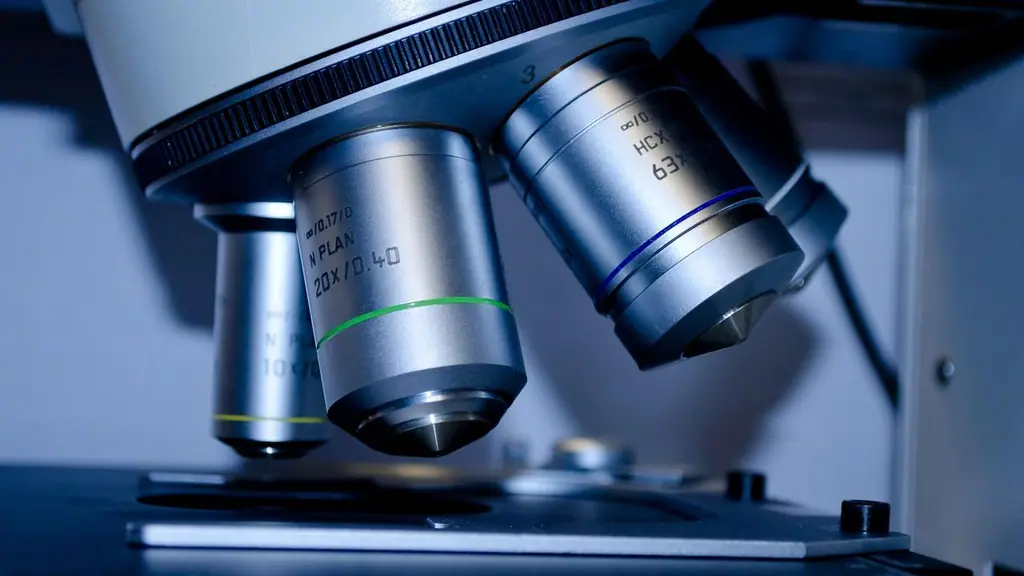
SCIScience and Mathematics
Free biology resources sorted by level, from middle school to university: open textbooks, HHMI films, genetics tutorials, species databases and field safety.
REFReference and Research
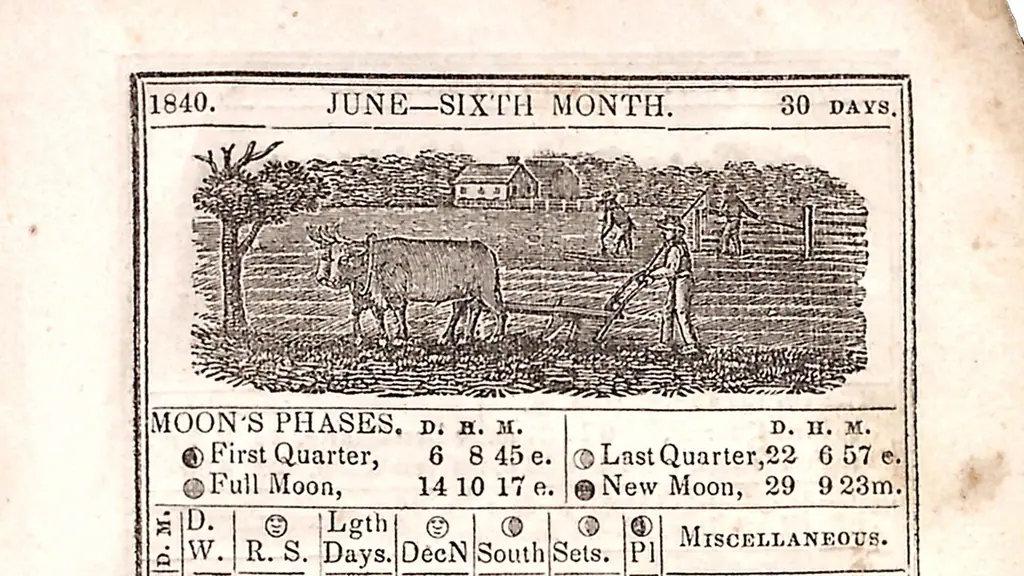
Where to find quick, reliable facts now that print almanacs have faded: Census QuickFacts, statistical abstracts, global data portals and how to check a figure.
RESResearch Tools
Practical web search skills: choosing keywords, exact phrases, site: and filetype: operators, date filters, specialist engines and lateral reading.
DICDictionaries and Encyclopedias
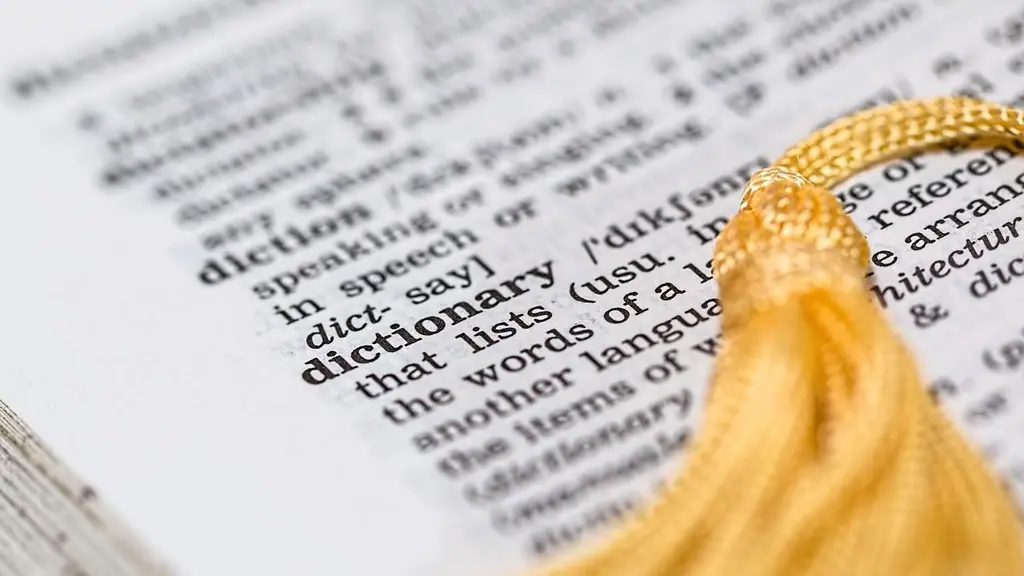
Which free dictionary to open for which job: general American usage, learner's English, word origins, legal and medical terms, with tips for reading entries.
HISHistory and Geography
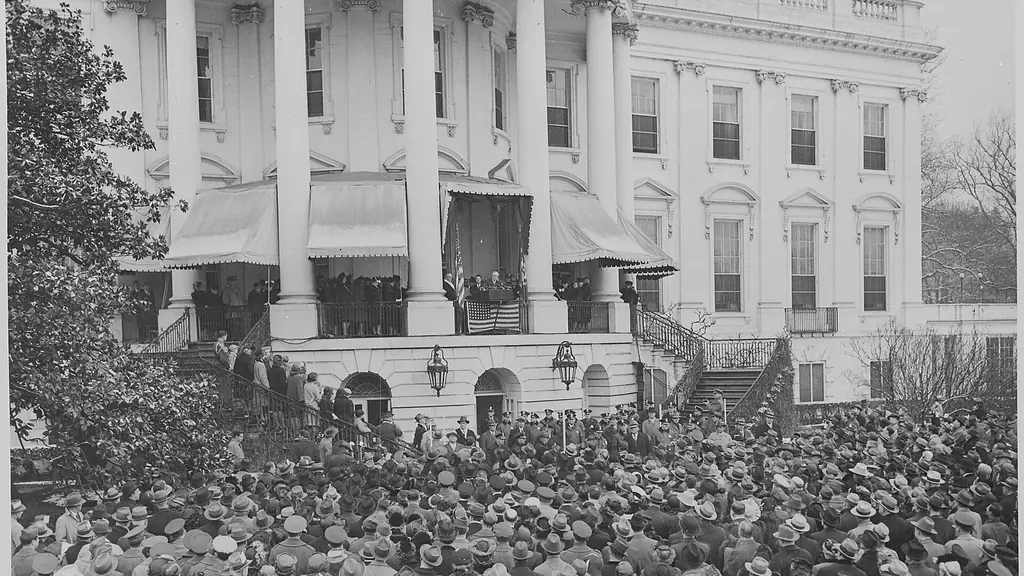
Franklin Roosevelt's brief fourth inaugural on January 20, 1945: why it was held at the White House, what the speech says, its context, and where to read it.
TCHFor Teachers
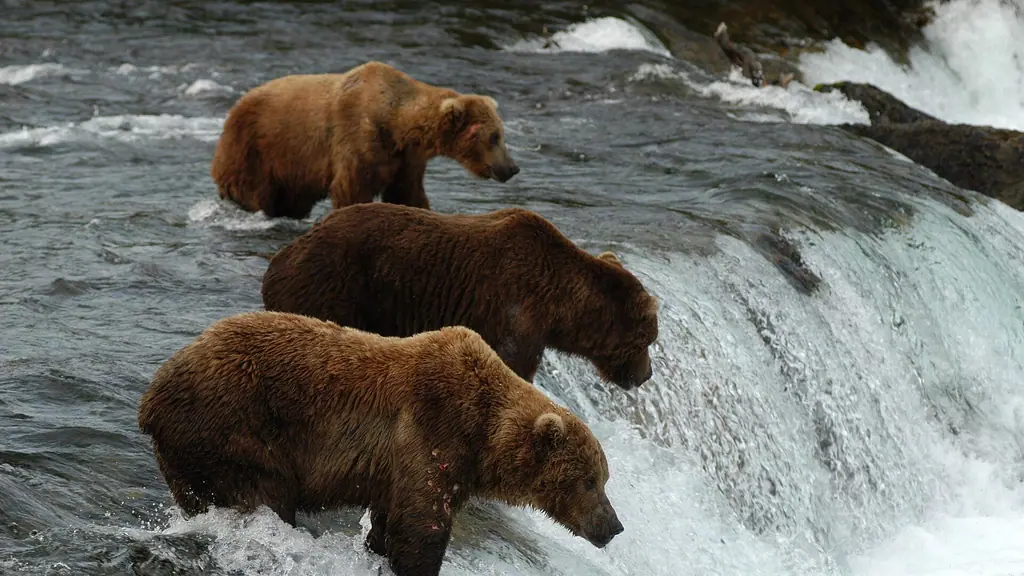
Reliable live webcams of wildlife, volcanoes, the ocean floor, weather and space from parks, zoos and science agencies, with lesson ideas and safety tips.
DIGDigital Literacy
Classic email hoaxes, from the cell-phone directory scare to the 'email tax' and forward-for-cash giveaways, and the checking habits that still work today.
HISHistory and Geography
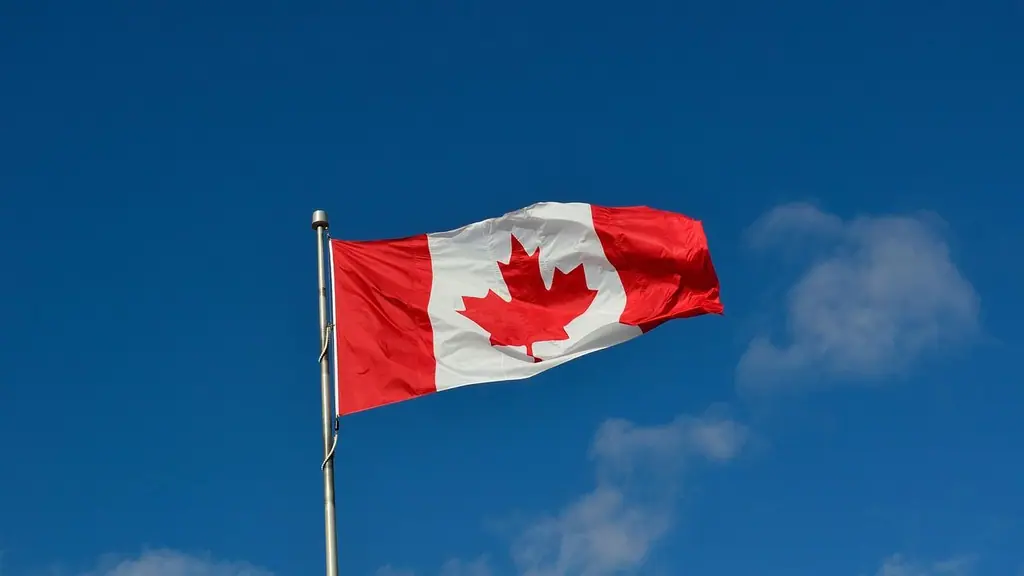
What vexillology is, where the word came from, the vocabulary of flag parts, the five widely used principles of flag design, and how to research a flag.
RESResearch Tools
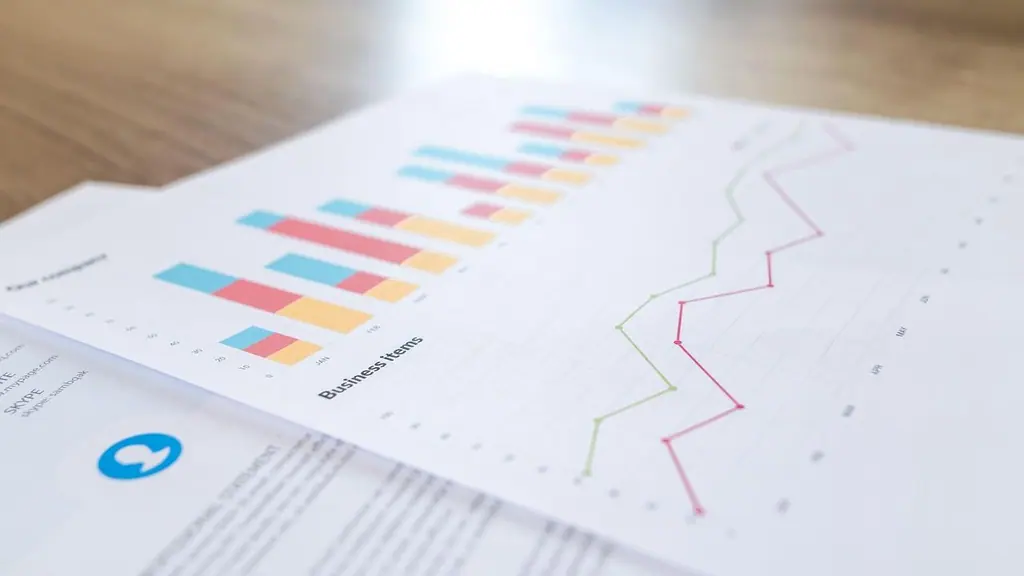
Where to find credible U.S. and international statistics, and how to read them: check the source, the date, the definition, the margin of error and the base.
EDUEducational Resources
Trustworthy free places to read and hear poems online, a simple method for reading a poem closely, and classroom ideas from recitation to Poem-a-Day.
HISHistory and Geography
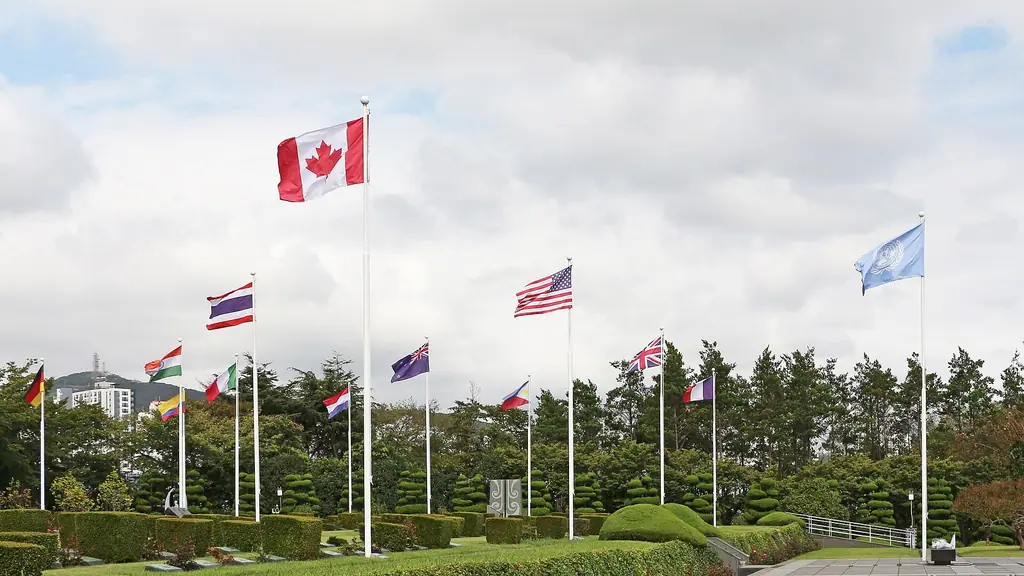
Where to find accurate national, U.S. state and maritime signal flags, what the U.S. Flag Code really says, and how to check a flag image before you use it.
DICDictionaries and Encyclopedias
Free online thesauruses compared, plus a step-by-step method for choosing synonyms by meaning, connotation and formality so a thesaurus improves your writing.
LNGLanguage Learning
When free machine translation is good enough, how to check its output, what to keep private, and when you need a certified human translator or interpreter.
HISHistory and Geography
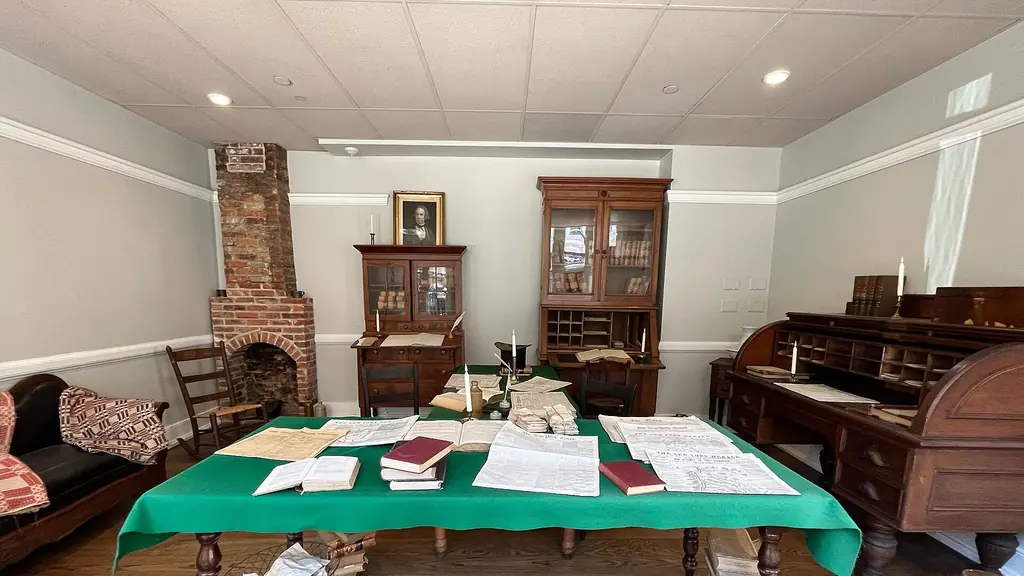
Abraham Lincoln's 25-year law career, the 1858 Duff Armstrong almanac trial and other notable cases, with free online sources for his legal papers.
HISHistory and Geography
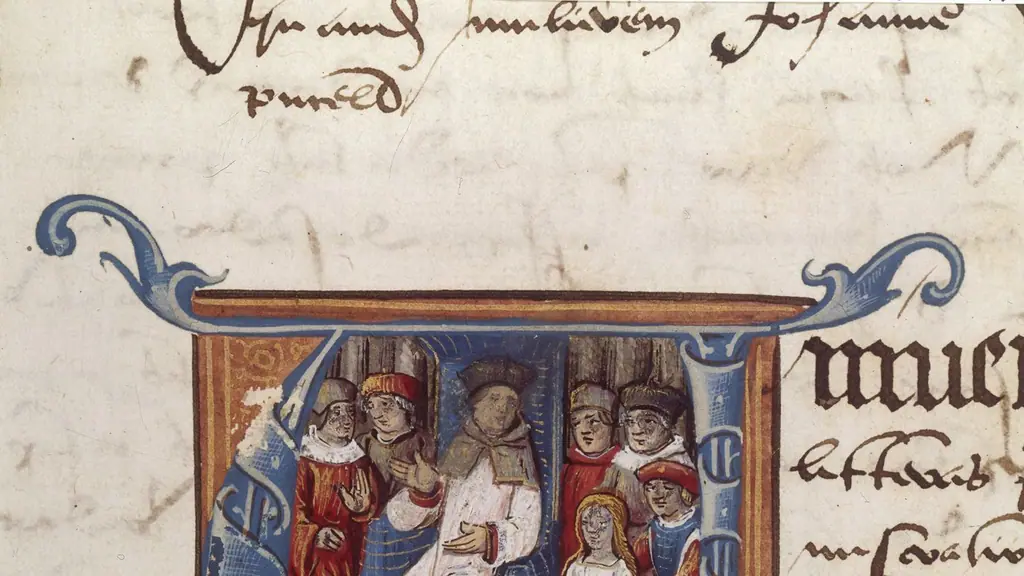
How Joan of Arc's 1431 condemnation trial and the 1456 nullification trial were recorded, which manuscripts survive, and where to read reliable translations.
TECTechnology and Productivity
A practical path for learning HTML, CSS and web accessibility from free, authoritative sources such as MDN, W3C and web.dev, with tools to test your own pages.
TLSOnline Tools
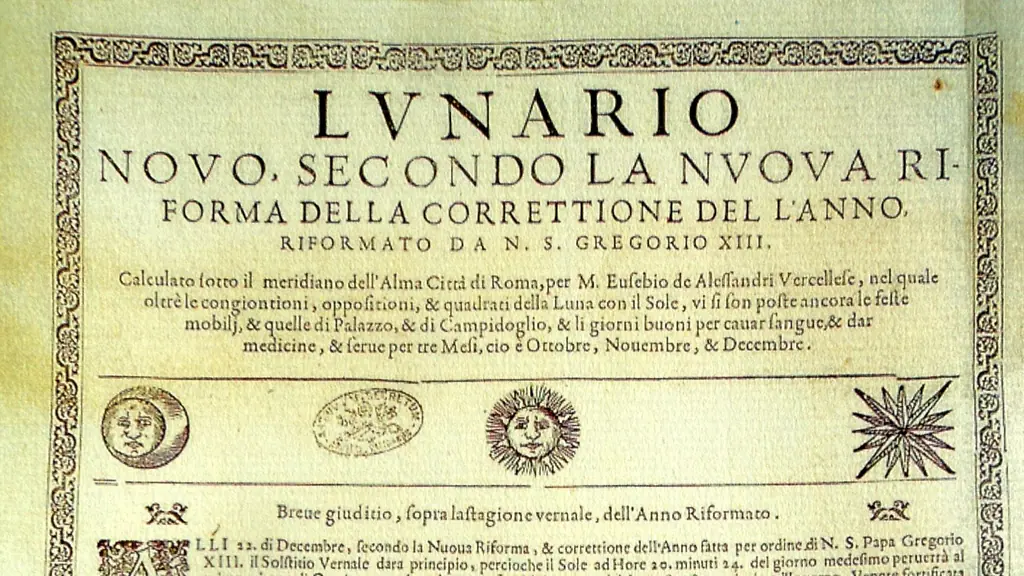
Find the day of the week for any date, convert Julian, Hebrew and Chinese dates, check official U.S. holidays and time zones, and avoid common date errors.
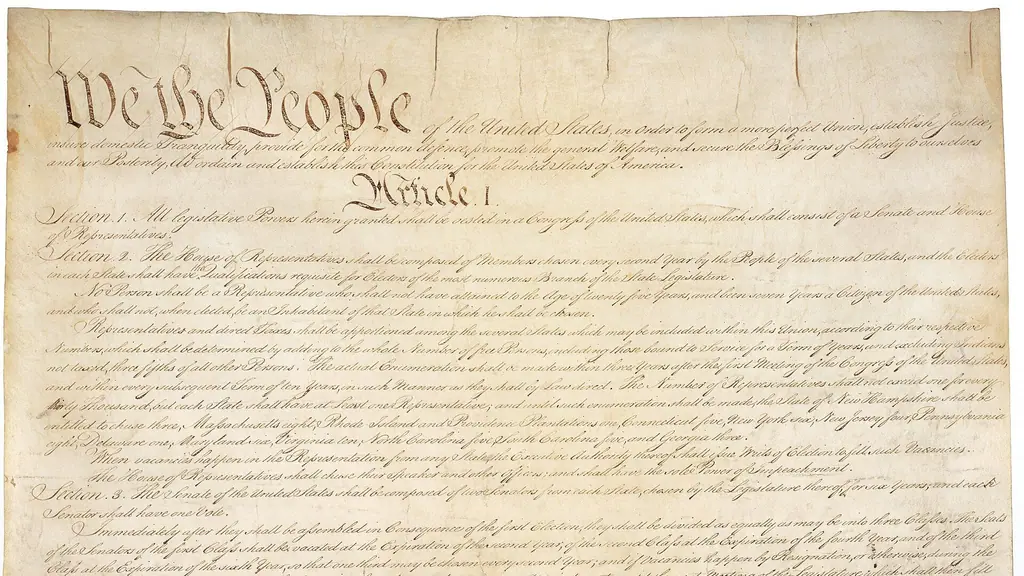
HISHistory and Geography
How to read the U.S. Constitution and Bill of Rights online from official transcriptions and parchment images, with a guide to their structure and citation.
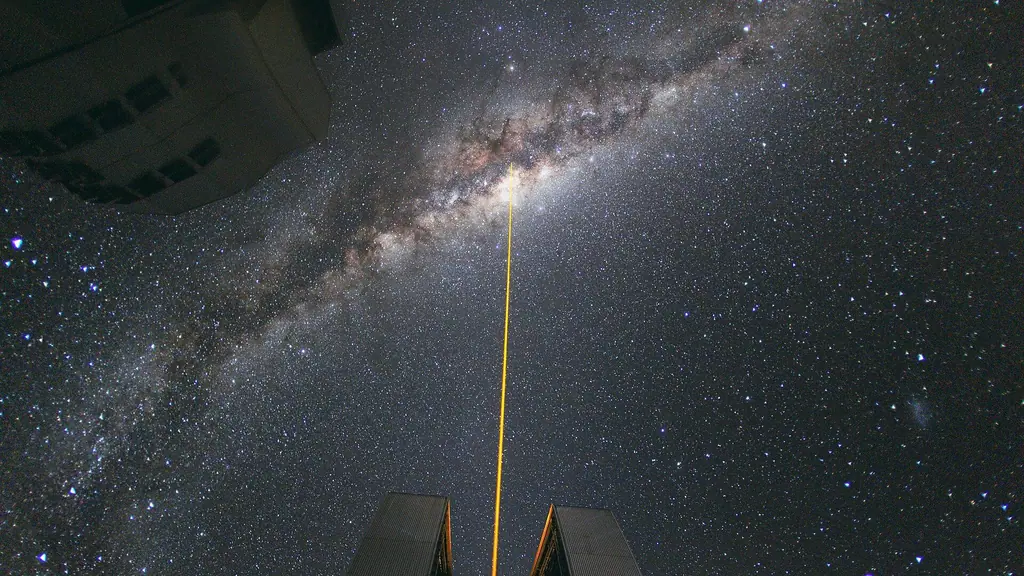
SCIScience and Mathematics
Free, reliable astronomy resources for students and families: sky maps, NASA and ESA science sites, skywatching tools, citizen science and eclipse safety rules.
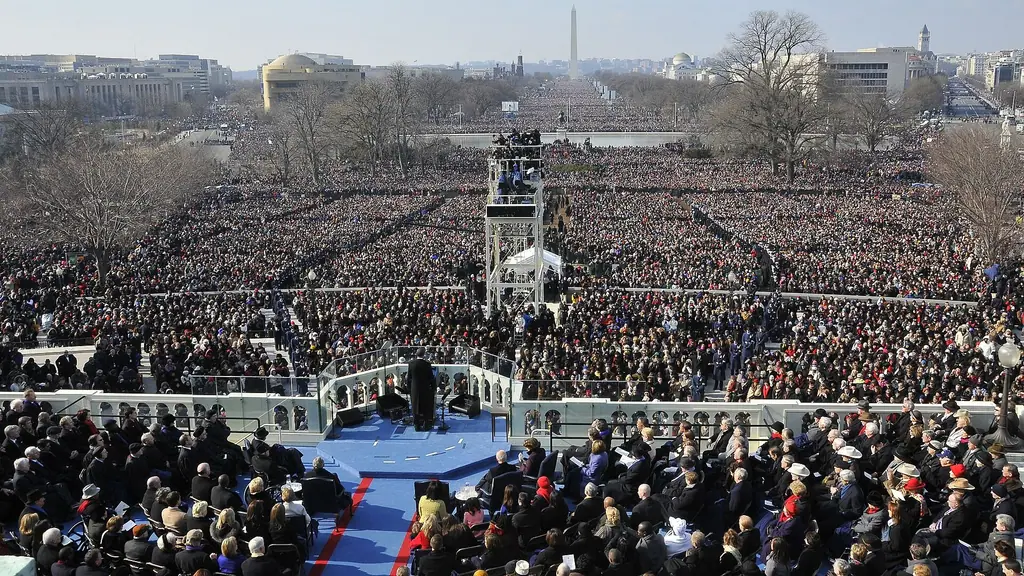
HISHistory and Geography
Context, structure and themes of Barack Obama's 2009 and 2013 inaugural addresses, with tips for reading them closely and links to official texts and video.
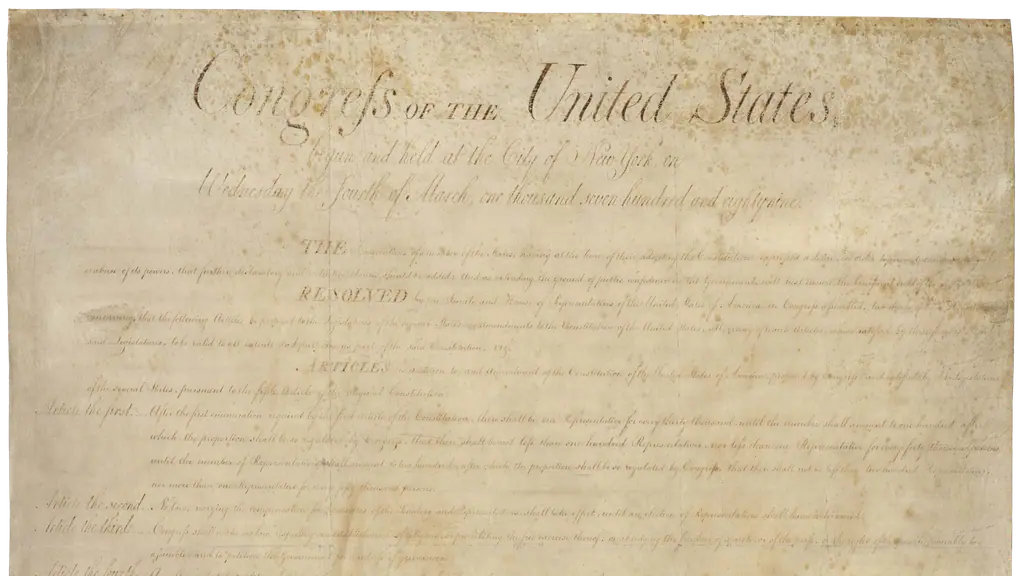
HISHistory and Geography
A guide to all 27 amendments to the U.S. Constitution: how Article V works, ratification dates, plain-English summaries and where to read the official text.
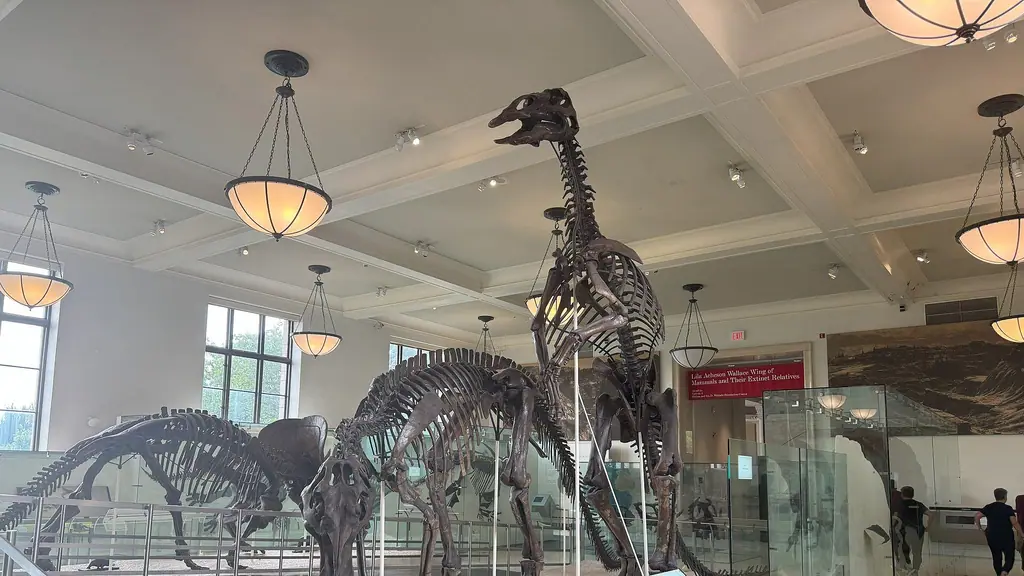
SCIScience and Mathematics
Trustworthy dinosaur science for students and families: what counts as a dinosaur, how paleontologists know what they know, myths and museum resources.
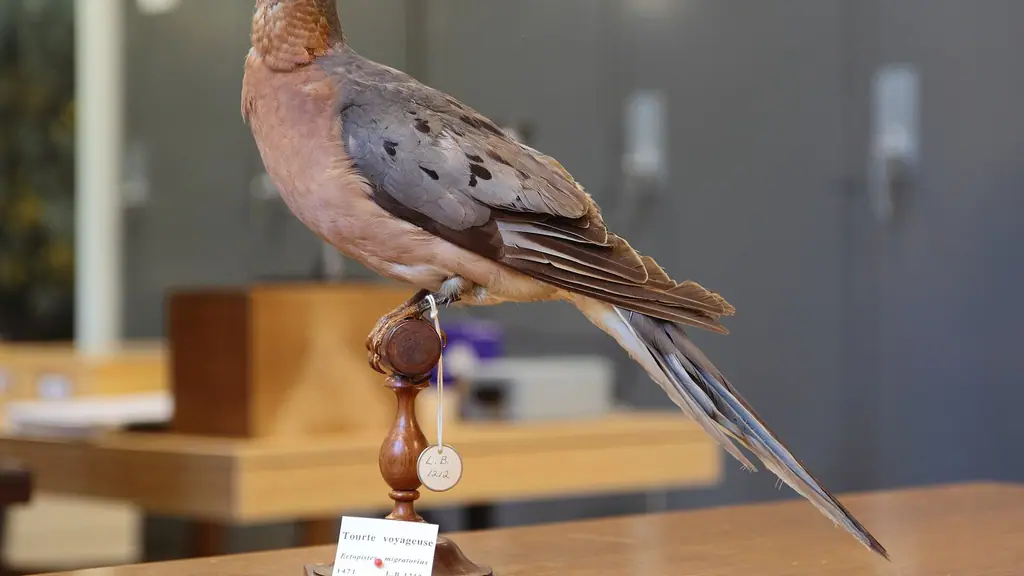
SCIScience and Mathematics
How scientists decide a species is extinct, what IUCN Red List categories mean, famous losses from the dodo to the thylacine, and how to judge de-extinction.
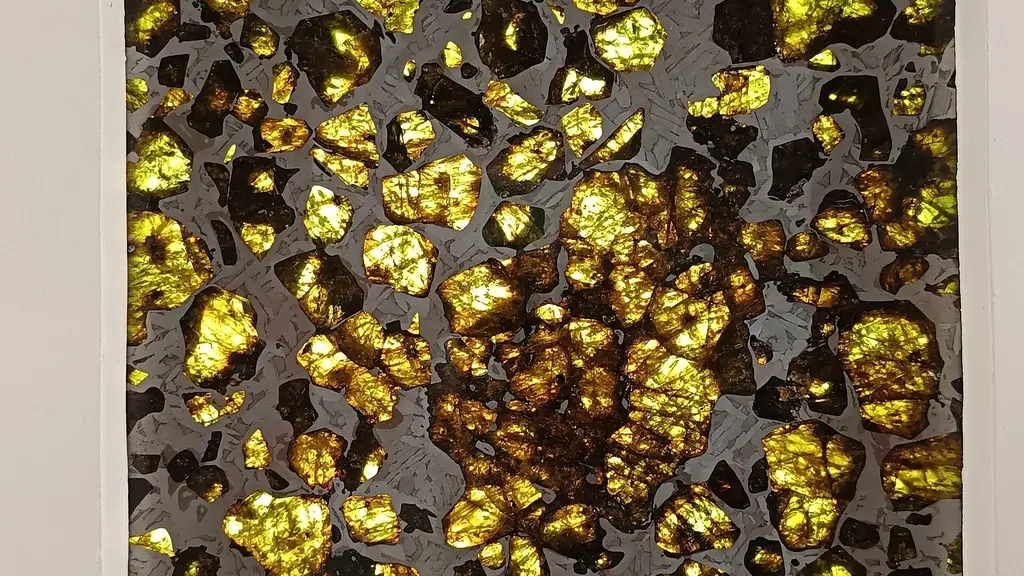
SCIScience and Mathematics
The legend of Oregon's 'lost' Port Orford pallasite, the Smithsonian study that exposed it as a hoax, and how scientists tell real meteorites from look-alikes.
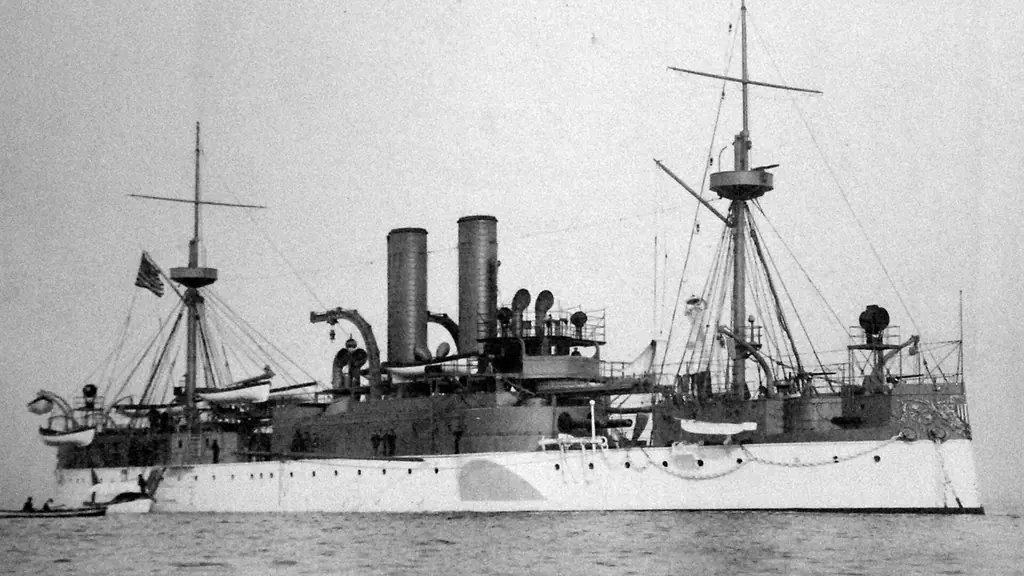
HISHistory and Geography
Causes, the USS Maine, yellow journalism, the campaigns in Cuba and the Philippines, and the war's results, with primary sources and teaching ideas for 1898.
GOVGovernment and Public Information
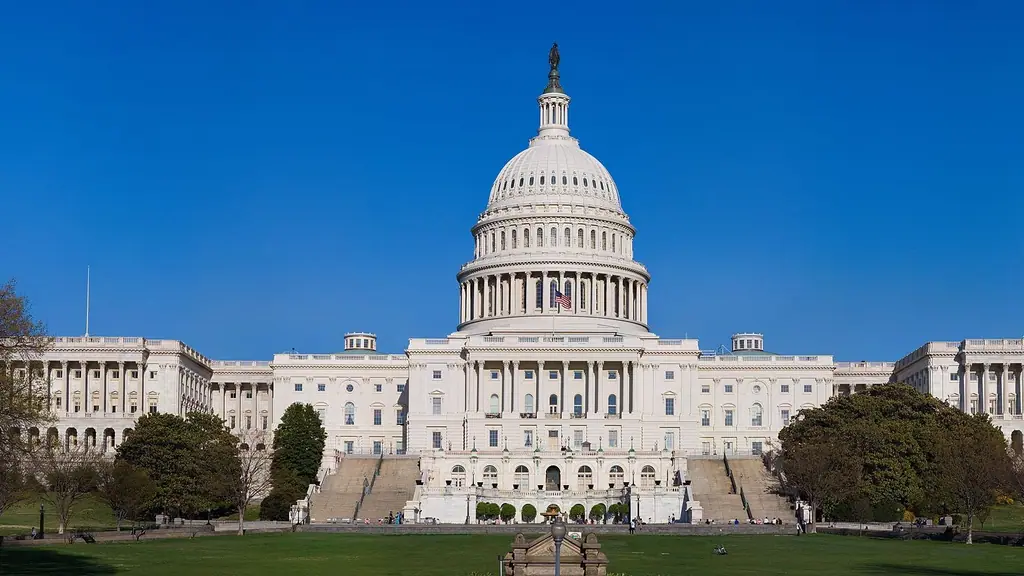
How the federal government is organized and which official sites answer which questions: agencies, Congress, courts, regulations, spending and labs.
HISHistory and Geography
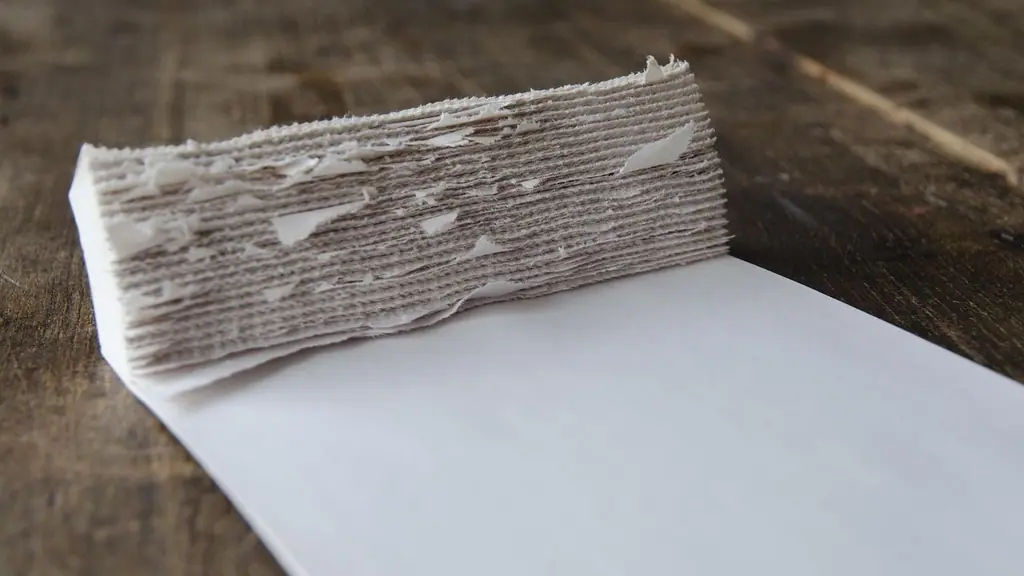
Which 'on this day' sites can you trust, and how do you check an anniversary? Calendars, time zones and signing dates explained, with reliable sources.
HISHistory and Geography
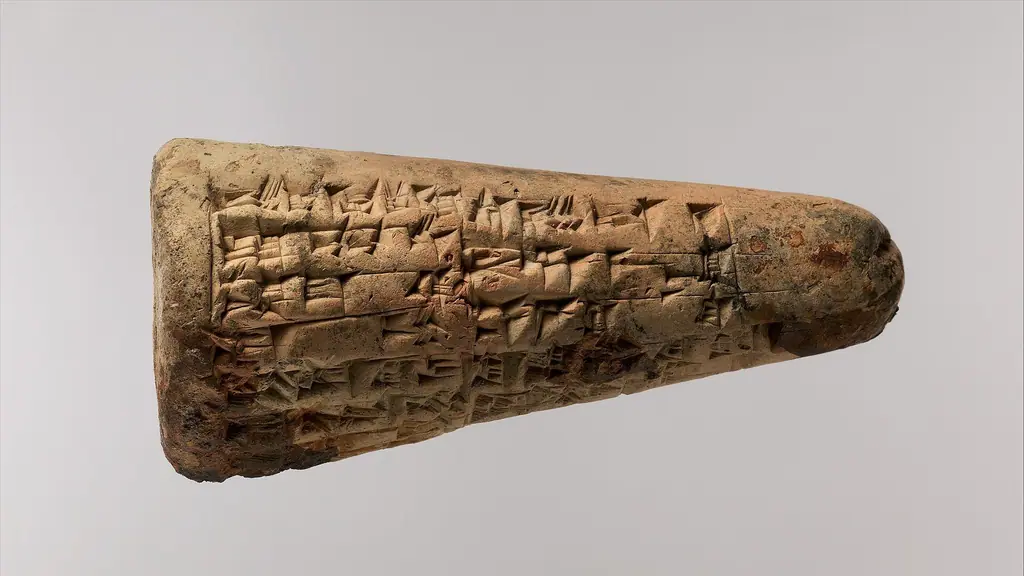
The Sumerian law code of King Lipit-Ishtar of Isin (c. 1930 BCE): what survives, how it was rediscovered, and how it compares with Ur-Nammu and Hammurabi.
DICDictionaries and Encyclopedias
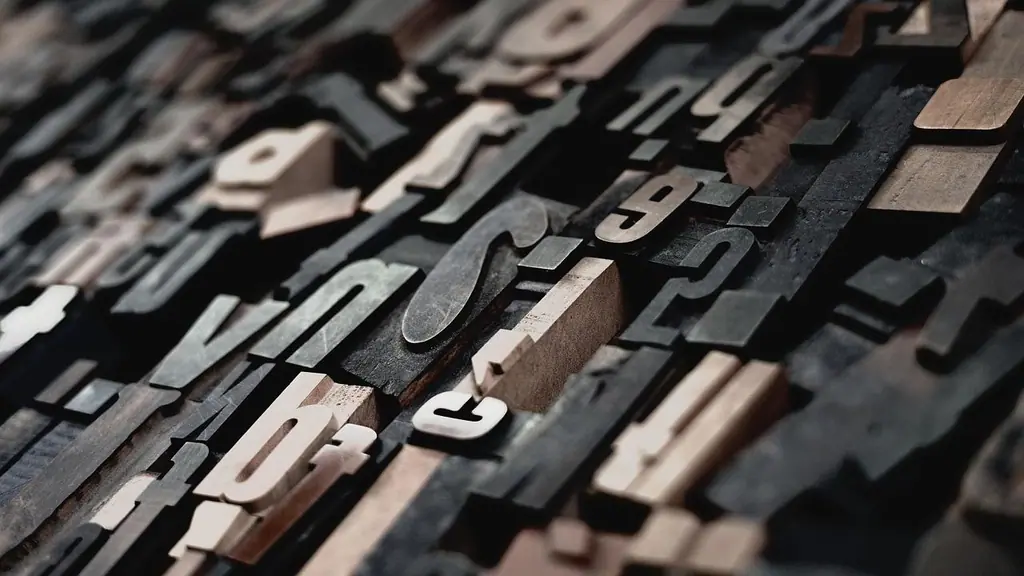
How to decode acronyms and abbreviations: trusted government, military, medical and style-guide lists, plus a simple method for choosing the right meaning.
REFReference and Research
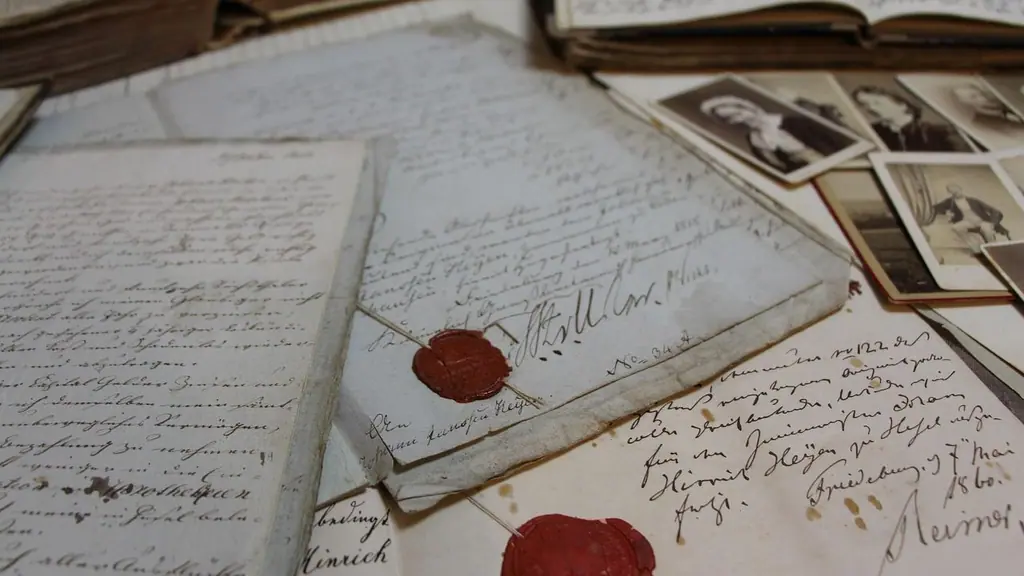
How to research a person's life with reliable free sources: national biographies, official directories, census and military records, newspapers and archives.
REFReference and Research
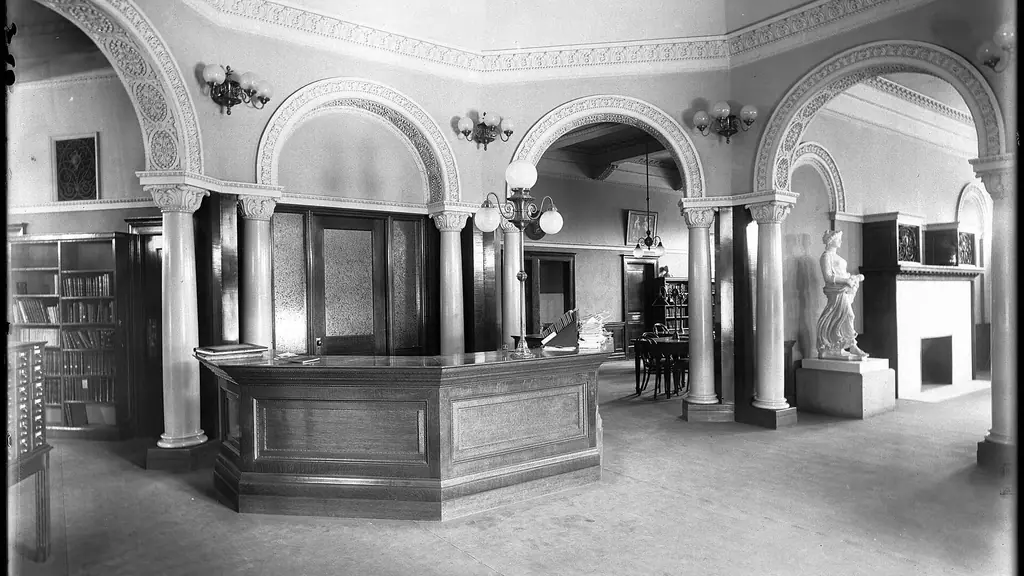
A modern ready-reference shelf of free encyclopedias, dictionaries, atlases, statistics and quotation sources, and the criteria librarians use to pick them.
HISHistory and Geography
FDR's four inaugural addresses compared, from the 1933 Depression speech to the brief wartime address of 1945, with reliable full texts, drafts and recordings.
HISHistory and Geography
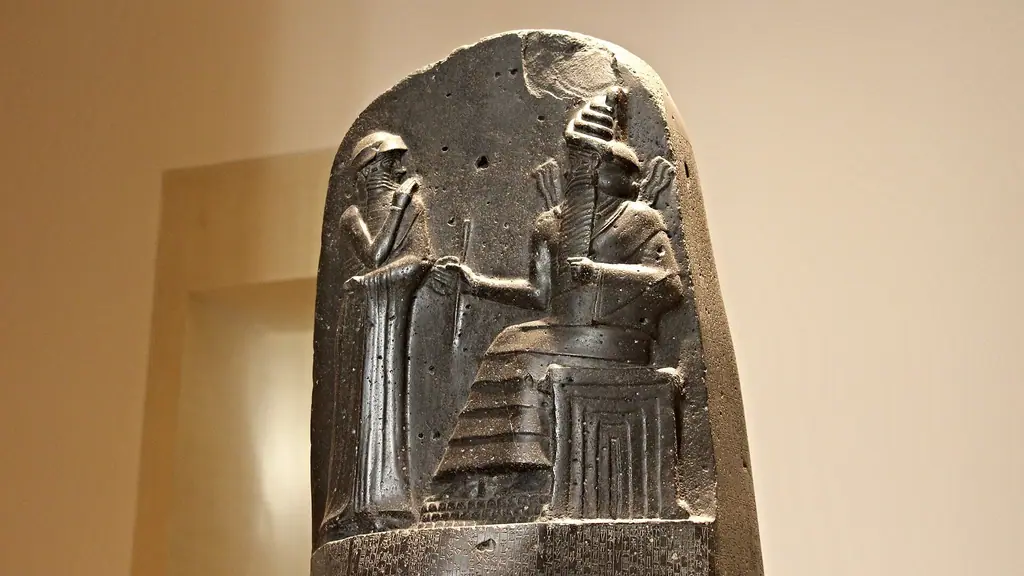
What the Code of Hammurabi says, how its stele was found at Susa in 1901, which free translations to use, and how to teach it beyond 'an eye for an eye.'
SCIScience and Mathematics
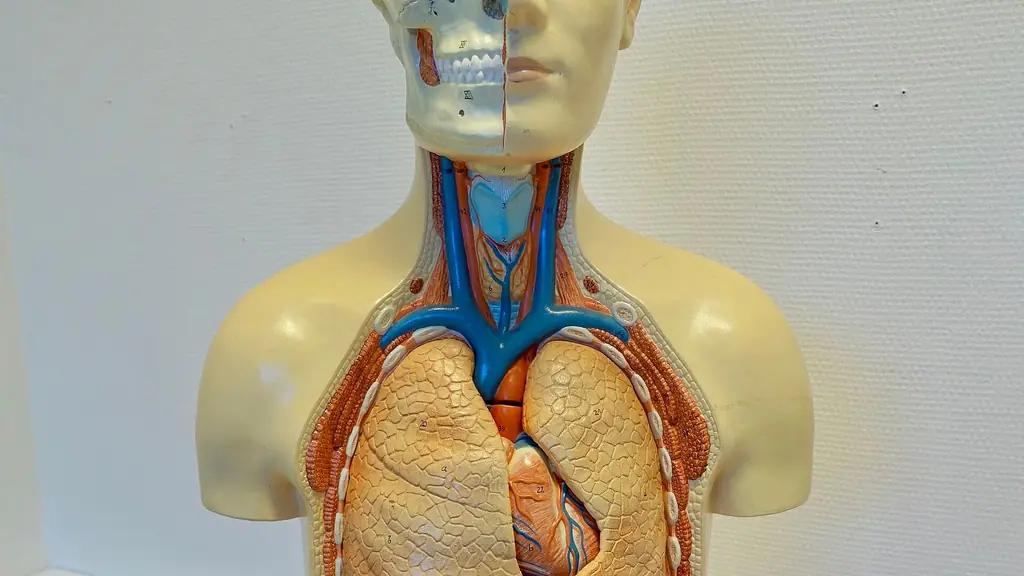
Free, reliable ways to learn human anatomy and physiology: an open textbook, NIH and NCI tutorials, 3D models, virtual microscopy and a study plan for students.
REFReference and Research
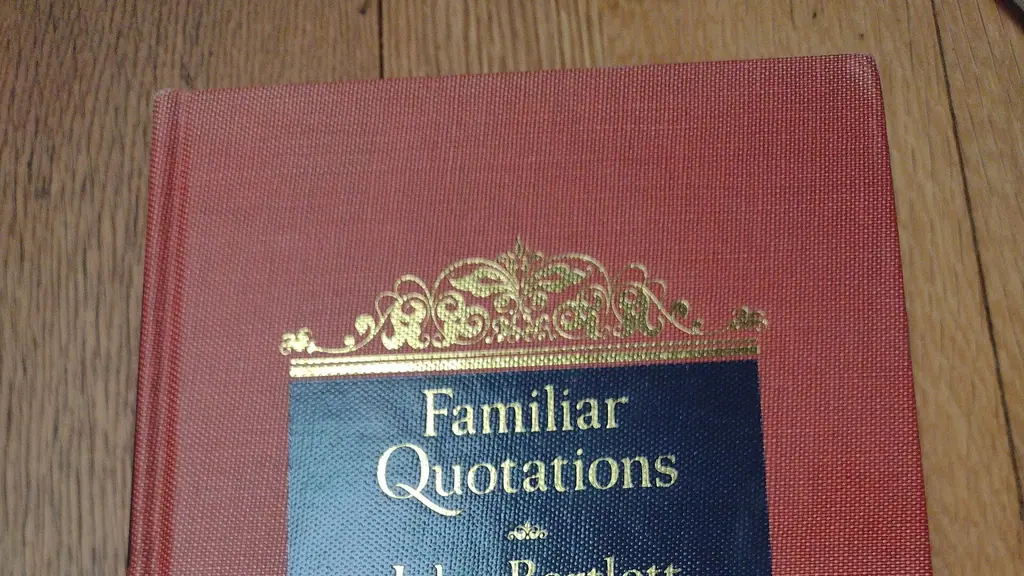
How to trace a famous quotation to its original source, spot misattributions, and use quotation dictionaries, Wikiquote, Quote Investigator and digitized books.
DIGDigital Literacy
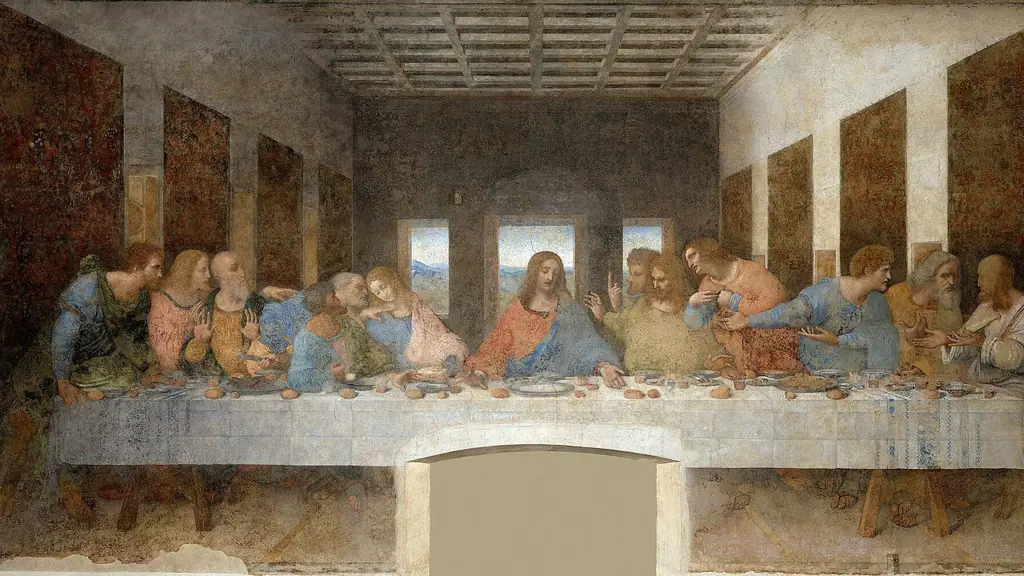
Using Dan Brown's 2003 novel as a case study in checking historical claims: the Priory of Sion, Opus Dei, Leonardo's Last Supper and the Council of Nicaea.
FAMFor Families
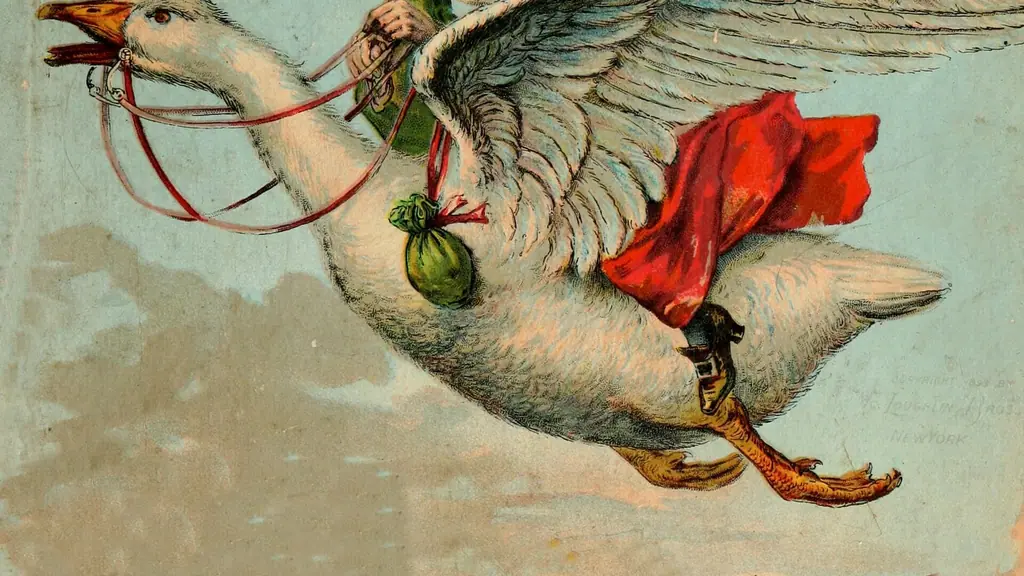
Why nursery rhymes matter for early literacy, what is really known about famous rhymes' origins, and how to spot the 'dark history' myths that circulate online.
DICDictionaries and Encyclopedias
A practical comparison of free online encyclopedias, from Wikipedia and Britannica to scholarly and regional works, and how to use them well in research.
HISHistory and Geography
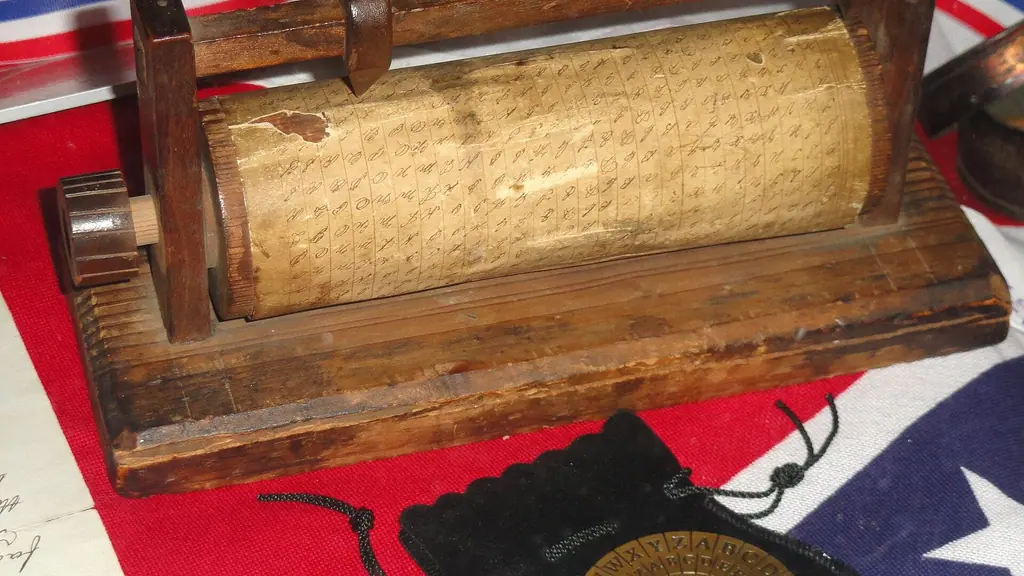
The Zodiac ciphers as a cryptography case study: how the 408 cipher was solved in 1969, how the 340 cipher was cracked in 2020, and which sources to trust.
SCIScience and Mathematics
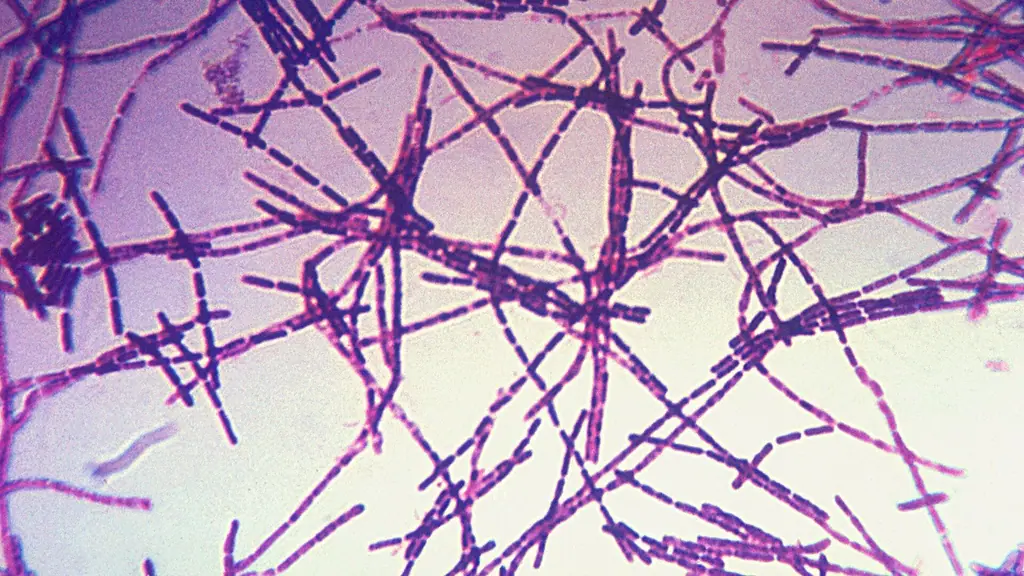
What anthrax is, how people do and do not catch it, how the 2001 anthrax letters were investigated, and where to find reliable public health information.
Grouped by main subject. Open this list in the library to search and filter it.
Library of Congressask.loc.gov
A reference service where you can browse answers to frequently asked questions or send your own research question to Library of Congress specialists. Useful when you are stuck finding a source, need help with a specific collection, or want expert pointers before starting a larger project.
Using it: Free. Questions are answered by reference staff, typically within several business days; a searchable FAQ answers common questions instantly.
Verified
Library of Congressguides.loc.gov
Hundreds of topic guides written by Library of Congress subject specialists, covering everything from historical newspapers and legislation to science, business and genealogy. Each guide explains where the best sources are, how to search them and which collections hold relevant primary material.
Using it: Free, no account. Guides link to both free and subscription resources; subscription items may only work onsite.
Verified
Purdue University Writing Labowl.purdue.edu
The Purdue Online Writing Lab offers free guides on academic writing, grammar, research and citation styles including APA, MLA and Chicago. Clear examples and explanations make it one of the most widely used writing references for students and teachers.
Using it: Free, no account. Check the edition notes since citation styles change over time.
Verified
Encyclopedia of Life (hosted by Smithsonian NMNH)eol.org
A free online resource that gathers information, images and data about living species from partner databases and institutions. Look up any organism to find classification, distribution, traits and media, useful for biology projects, nature identification follow-up and biodiversity research.
Using it: Free, no account. Content is aggregated from partner databases; check the source credit on each item.
Verified
United States Holocaust Memorial Museumencyclopedia.ushmm.org
An authoritative online encyclopedia from the United States Holocaust Memorial Museum, with articles, maps, photographs, survivor testimonies and primary sources in many languages. Designed to support accurate teaching and learning about the Holocaust and its historical context.
Using it: Free, no account. Contains historical photographs and testimony that may be distressing; teacher preview advised.
Verified
Merriam-Webster, Inc. (Encyclopaedia Britannica)merriam-webster.com
A leading American English dictionary with definitions, pronunciations, etymologies, usage notes and a thesaurus. Example sentences, word origins and a learner's dictionary make it practical for students and writers checking meaning, spelling and usage in American English.
Using it: Free with ads; a paid subscription removes ads and adds the unabridged dictionary.
Verified
Georgia Humanities with University of Georgia Press and partnersgeorgiaencyclopedia.org
An authoritative online encyclopedia of Georgia history, culture and geography, written by scholars and edited by a professional staff. A model of state encyclopedias, it offers citable articles, images and media that support local history studies and classroom projects.
Using it: Free, no account.
Verified
World History Publishing (nonprofit)worldhistory.org
A free, nonprofit history encyclopedia with articles, maps, timelines and images covering ancient, medieval and world history. Articles are editorially reviewed and include references, making it a readable starting point for school projects on civilizations, empires and historical figures.
Using it: Free with ads; optional membership removes ads.
Verified
Library of Congress and National Endowment for the Humanitiesloc.gov
A free, searchable archive of digitized historic American newspapers, with millions of pages through the early 1960s from every state. Ideal for local history, genealogy and seeing how events were reported at the time, with page images alongside machine-read text you can search by date, place and title.
Using it: Free, no account. Full-text search works on OCR text, so try spelling variants and expect some recognition errors.
Verified
Digital Public Library of Americadp.la
A single search across millions of digitized photographs, manuscripts, books and objects from American libraries, archives and museums. Its curated primary source sets with teaching guides and its online exhibitions make it valuable for classroom history research as well as independent exploration.
Using it: Free, no account needed. Items link out to the contributing library or archive, where viewing options vary.
Verified
Europeana Foundation (EU-funded)europeana.eu
A European platform that brings together millions of digitized artworks, books, photographs, recordings and objects from thousands of museums, libraries and archives. Filters for reuse rights make it especially useful for finding images and documents you can legally use in teaching and publishing.
Using it: Free, no account required. Each item shows its rights statement; many are openly licensed for reuse.
Verified
Library of Congressloc.gov
The national library of the United States and a gateway to millions of digitized books, photographs, maps, manuscripts, recordings and films. Strong for primary sources on American history and culture, with rights statements on each item that help you judge how material can be reused.
Using it: No account needed. Most digitized items are free to view; reuse rights vary by item and are stated on each record.
Verified
National Archives and Records Administrationcatalog.archives.gov
The searchable online catalog of U.S. National Archives holdings, describing millions of records and offering digitized copies of many. Use it to locate specific federal documents, photographs, maps and films, see which facility holds an item and download files that are already online.
Using it: Free; optional account lets you tag and transcribe. The search interface needs JavaScript and can be slow for large result sets.
Verified
Smithsonian Institutionsi.edu
Millions of images and data records from Smithsonian museums and research centers released for free reuse. Search across art, natural history, air and space, and American history collections, then download high-resolution images for school projects, publications or presentations without permission requests.
Using it: Free. Open Access items are released under CC0 and may be reused without permission; other items carry restrictions.
Verified
National Archives and Records Administrationarchives.gov
The agency that preserves the permanent records of the U.S. federal government, from founding documents to military service files and immigration records. The site explains what records exist, how to request them, how to visit research rooms and how to start genealogy or historical research.
Using it: Free to browse. Ordering reproductions or certified copies of records carries fees.
Verified
Wikimedia Foundation (community-run)commons.wikimedia.org
A shared library of more than one hundred million freely licensed images, audio files and videos used across Wikipedia. Every file shows its license and author, making it one of the best places to find pictures you can legally reuse with proper attribution.
Using it: Free, no account to download. Check each file's license and give the attribution it requires.
Verified
U.S. Department of Education (Institute of Education Sciences)eric.ed.gov
The Education Resources Information Center, a free database of education research and information. It indexes journal articles, reports and other materials on teaching, learning and education policy, and many records include free full text.
Using it: Free, no account. Use the full-text filter to show only articles you can read immediately.
Verified
CK-12 Foundation (nonprofit)ck12.org
A nonprofit platform offering free customizable textbooks, practice questions, simulations and videos for K–12 math and science. Its adaptive practice and interactive modules support students reviewing topics and teachers building lessons.
Using it: Free; accounts recommended for progress tracking. Under-13 accounts need parental or teacher consent.
Verified
Code.org (nonprofit)code.org
A nonprofit providing free computer science curriculum and activities for K–12, including the Hour of Code. Teachers can access full courses and professional development, while students learn programming concepts through games and projects.
Using it: Free. Students can use activities without accounts; teacher accounts manage classes.
Verified
Complexlythecrashcourse.com
Fast-paced educational video series covering history, science, literature, economics and more. Lively presentations make complex topics accessible for high school and college students reviewing material.
Using it: Free videos; hosted on YouTube.
Verified
LibreTexts (nonprofit)libretexts.org
A large collection of free, open textbooks and learning materials, especially strong in chemistry, biology, physics, math and engineering. Instructors can customize texts, and students can use them as free references for college courses.
Using it: Free to read; no account required.
Verified
NASAnasa.gov
NASA's collection of educational resources for students and teachers, including lesson plans, activities, videos and challenges related to space, Earth science and engineering. Material is organized by grade level and topic to bring real missions into the classroom.
Using it: Free, no account.
Verified
U.S. National Oceanic and Atmospheric Administrationnoaa.gov
Educational resources from NOAA on oceans, weather, climate and coasts. Lesson plans, data activities, multimedia and career resources help teachers and students explore Earth systems using real scientific data.
Using it: Free, no account.
Verified
ISKME (nonprofit)oercommons.org
A digital library of open educational resources where teachers can find, adapt and share lessons, units, textbooks and activities. Filters for subject, grade and license make it easy to find materials that can be legally modified and reused.
Using it: Free; account needed to save or create resources.
Verified
Open Education Network (University of Minnesota)open.umn.edu
A catalog of free, openly licensed textbooks for college courses, many reviewed by faculty. Instructors can find alternatives to expensive textbooks, and students can read or download books on topics from biology to business.
Using it: Free, no account.
Verified
PBS and GBHpbslearningmedia.org
A free library of thousands of videos, interactives and lesson plans from PBS programs and partners, aligned to standards. Teachers can search by grade and subject, while students use assigned materials across science, social studies, English and math.
Using it: Free for educators with an account; many resources viewable without one.
Verified
Scratch Foundation and MIT Media Labscratch.mit.edu
A free block-based programming environment where children create interactive stories, games and animations. Designed for ages 8 to 16, it teaches computational thinking and creativity, and has an active, moderated online community for sharing projects.
Using it: Free. Sharing requires an account; under-13 users need parental email. Community is moderated.
Verified
TED Conferencesed.ted.com
A library of short animated educational videos on science, history, literature and big ideas, created by educators and animators. Teachers can build lessons around any video with questions and discussion prompts.
Using it: Free; account needed to customize lessons for classes.
Verified
U.S. Geological Surveyusgs.gov
Educational materials from the U.S. Geological Survey covering earthquakes, volcanoes, water, maps, minerals and ecosystems. Resources include classroom activities, data sets, images and explanations from working scientists, suitable for earth science classes and curious learners.
Using it: Free, no account.
Verified
Khan Academy (nonprofit)khanacademy.org
A nonprofit offering free video lessons and practice exercises in math, science, economics, history, computing and test preparation. Mastery-based practice and teacher dashboards make it useful for independent learners, families and classrooms at all levels from early grades to college.
Using it: Free; accounts optional for learners, required for progress tracking. Under-13 accounts need parent or teacher setup.
Verified
Rice University (nonprofit)openstax.org
Free, peer-reviewed, openly licensed textbooks for college and high school courses in math, science, social sciences and humanities. Books are written by experts, regularly updated and can be read online, downloaded or adapted, saving students significant textbook costs.
Using it: Free to read online and download as PDF; printed copies cost money.
Verified
AoPS Incorporatedartofproblemsolving.com
A resource for strong math students, offering courses, books, and a large community of problem solvers. Its free wiki and forums cover contest math such as AMC and olympiads, helping motivated students go deeper.
Using it: Free community forums and resources; courses and books are paid. Forums require an account; age guidance applies.
Verified
Desmos Studiodesmos.com
Free online graphing, scientific and geometry calculators. The graphing calculator lets students plot functions, explore sliders and visualize mathematical relationships, and it is used widely in classrooms and some standardized tests.
Using it: Free, no account required for the calculators.
Verified
Exploratorium (nonprofit)exploratorium.edu
A San Francisco science museum known for hands-on learning, with online activities, videos and science snacks that use everyday materials. Teachers and families can find inquiry-based experiments for exploring light, sound, motion and more.
Using it: Free online resources.
Verified
GeoGebra GmbHgeogebra.org
Free dynamic mathematics software combining geometry, algebra, graphing, statistics and calculus. Its online apps and community resources help students explore math visually and help teachers build interactive activities.
Using it: Free; optional account to save work and create classes.
Verified
Howard Hughes Medical Institutebiointeractive.org
Free biology and environmental science resources from the Howard Hughes Medical Institute, including short films, interactive simulations, data activities and classroom lessons built on real research. Materials are especially strong for high school and introductory college courses in evolution, ecology and genetics.
Using it: Free; account optional.
Verified
Illustrative Mathematics (nonprofit)illustrativemathematics.org
A nonprofit offering problem-based K–12 math curriculum designed around student discourse and conceptual understanding. Its openly licensed materials are widely adopted and provide lessons, tasks and teacher guidance.
Using it: Core curriculum is openly licensed and free through certified partners; some platforms and training are paid.
Verified
University of Utahlearn.genetics.utah.edu
Interactive resources from the University of Utah that explain genetics, cell biology, neuroscience and health through animations, virtual labs and clear illustrated articles. Popular in middle school, high school and introductory college classes, with teacher guides and printable materials to support lessons.
Using it: Free, no account.
Verified
NASAscience.nasa.gov
Satellite images and articles explaining Earth science events and changes, from storms to wildfires and climate trends. Images come with clear explanations, useful for geography and environmental science lessons.
Using it: Free; images generally free to use with credit.
Verified
NASAimages.nasa.gov
A searchable collection of NASA images, videos and audio covering missions, astronauts, planets and Earth. Useful for finding high-quality space imagery for reports, presentations and classroom use.
Using it: Free; NASA media is generally not copyrighted but credit is requested.
Verified
University of Cambridgenrich.maths.org
A free collection of rich mathematical problems, games and articles from the University of Cambridge. Activities encourage reasoning and problem solving, with teacher notes, making it valuable for enrichment from primary through secondary school.
Using it: Free, no account.
Verified
University of Colorado Boulderphet.colorado.edu
Free interactive simulations for physics, chemistry, biology, earth science and math. Research-based designs let students experiment with concepts like circuits, forces and molecules, and teacher materials support classroom use.
Using it: Free, no account. Runs in the browser, including on tablets.
Verified
Ptable (independent)ptable.com
An interactive periodic table that displays element properties, electron configurations, isotopes and compounds. Clear visual layouts make it handy for chemistry homework and exploring trends across the table.
Using it: Free, no account.
Verified
Science Buddies (nonprofit)sciencebuddies.org
A nonprofit providing free science project ideas, step-by-step guides and STEM activities for students. Useful for science fair planning, with project ideas organized by grade and interest.
Using it: Free, with some ads; account optional.
Verified
David Rumsey Map Collection (with Stanford University Libraries)davidrumsey.com
One of the largest online collections of historical maps, with high-resolution images of atlases, globes, charts and city plans from the sixteenth to twenty-first centuries. Georeferencing tools let you overlay old maps on modern geography, ideal for historical geography projects.
Using it: Free, no account. Many images are licensed for non-commercial reuse.
Verified
National Archives (National Historical Publications and Records Commission) with University of Virginia Pressfounders.archives.gov
Searchable, annotated correspondence and papers of George Washington, Benjamin Franklin, John Adams, Thomas Jefferson, Alexander Hamilton and James Madison. Drawn from authoritative scholarly editions, it lets students read the founders' own words with expert notes and context.
Using it: Free, no account.
Verified
Gapminder Foundation (nonprofit)gapminder.org
A nonprofit that uses animated charts and data tools to challenge common misconceptions about global development. Its bubble-chart explorer, Dollar Street photo collection and quizzes help students see how health, wealth and living conditions vary across countries and change over time.
Using it: Free, no account.
Verified
Gilder Lehrman Institute of American History (nonprofit)gilderlehrman.org
A nonprofit devoted to American history education, offering primary sources from its collection, essays by historians, lesson plans and teacher seminars. Its document collection and spotlight features help bring original letters and manuscripts into history classrooms.
Using it: Many resources free; teacher affiliate membership (free for many schools) unlocks the full collection and programs.
Verified
Googleearth.google.com
A 3D virtual globe combining satellite imagery, terrain and street-level views. Students can explore places worldwide, measure distances, view historical imagery and build narrated map projects, making it a versatile tool for geography and storytelling.
Using it: Free in the browser; a Google account is needed to save projects.
Verified
Fordham Universitysourcebooks.fordham.edu
A classic collection of public domain and copy-permitted historical texts for teaching ancient, medieval and modern history. Organized by period and theme, it remains a quick way to find translated primary sources for history classes and reading assignments.
Using it: Free, no account. The site is older in design and some external links are broken.
Verified
Miller Center, University of Virginiamillercenter.org
A collection of major presidential speeches from George Washington onward, with transcripts and many audio or video recordings. Alongside its presidential biographies and essays, it helps students analyze rhetoric and compare how presidents addressed the nation at key moments.
Using it: Free, no account.
Verified
National Geographic Societyeducation.nationalgeographic.org
Free educational resources from the National Geographic Society, including encyclopedic entries, maps, lesson activities and media on geography, science, conservation and social studies. Strong for teaching map skills, human geography and environmental topics with high-quality photography and clear explanations.
Using it: Free, no account needed for most resources.
Verified
Global Change Data Lab (nonprofit) with University of Oxfordourworldindata.org
Research and interactive charts on global problems such as poverty, health, energy, climate and education, built from carefully sourced data. Every chart links to its sources and can be downloaded, making it outstanding for evidence-based essays, lessons and presentations about long-term world trends.
Using it: Free, no account. Charts and data are openly licensed with attribution.
Verified
University of Texas Librariesmaps.lib.utexas.edu
A large online collection of maps maintained by the University of Texas Libraries, featuring current and historical maps of countries, cities and regions. Many maps come from public domain government sources and can be used freely in schoolwork and presentations.
Using it: Free, no account. Most maps are public domain.
Verified
Smarthistory (nonprofit)smarthistory.org
A free, nonprofit resource of essays and videos about art and cultural history, written by more than a hundred art historians. Organized by period and region, it works as an open textbook for art history and humanities courses and as an engaging guide for museum visitors.
Using it: Free, no account, no ads.
Verified
University of California, Santa Barbarapresidency.ucsb.edu
A searchable archive of documents related to the U.S. presidency, including inaugural addresses, State of the Union messages, executive orders, press conferences and campaign documents. Statistics and data tables on elections and presidential activity make it a premier source for civics and history research.
Using it: Free, no account.
Verified
Yale Law School, Lillian Goldman Law Libraryavalon.law.yale.edu
A long-standing digital collection of documents in law, history and diplomacy, from ancient codes to twentieth-century treaties. It includes U.S. founding documents, presidential papers and international agreements in clean transcriptions, a useful source for history and government students.
Using it: Free, no account. Plain text transcriptions; consult original sources for scholarly citation of facsimiles.
Verified
The Metropolitan Museum of Artmetmuseum.org
A searchable online collection of hundreds of thousands of artworks spanning five thousand years. Many public domain images are released for unrestricted reuse, and object pages include dates, materials and context, making it a dependable reference for art history and world cultures.
Using it: Free. Works marked Open Access can be downloaded and reused freely; other images have restrictions.
Verified
The National WWII Museum (nonprofit)nationalww2museum.org
A museum in New Orleans dedicated to the American experience in the Second World War. Its website offers articles, oral histories, digital collections and educational resources for students and teachers studying the war and its legacy.
Using it: Website resources free; some virtual field trips and programs are paid. Contains wartime images.
Verified
UNESCO World Heritage Centrewhc.unesco.org
The official list of cultural and natural sites recognized as World Heritage. Each site page describes its significance, location, criteria and conservation status, with maps and images, a reliable reference for geography, history and travel research.
Using it: Free, no account.
Verified
ipachart.com (independent)ipachart.com
An interactive chart of the International Phonetic Alphabet where you can click any symbol to hear its sound. Helpful for language learners, linguistics students and teachers explaining pronunciation.
Using it: Free, no account.
Verified
American Association of School Librariansala.org
An annual list of recommended digital tools chosen by school librarians for their value in teaching and learning. It highlights apps and websites that foster creativity, collaboration and research skills.
Using it: Free, no account.
Verified
Canva Pty Ltdcanva.com
A free version of the Canva design platform for eligible K–12 teachers and students, unlocking premium templates, images and classroom features. Students can create posters, presentations, infographics and videos, while teachers can assign design projects and collaborate safely within a class.
Using it: Free for eligible K–12 teachers and their students; verification required.
Verified
CommonLit (nonprofit)commonlit.org
A nonprofit digital library of reading passages for grades 3–12, paired with comprehension questions and discussion prompts. Teachers can assign texts and track progress, making it a widely used tool for building reading skills.
Using it: Core library free for teachers and students; school-wide premium features are paid. Students under 13 use teacher-created accounts.
Verified
Digital Inquiry Group (formerly Stanford History Education Group)inquirygroup.org
Free document-based history lessons, originally developed as Reading Like a Historian, that teach students to source, contextualize and corroborate historical evidence. Each lesson combines primary documents with structured questions, building skills that transfer directly to evaluating information today.
Using it: Free; account required to download lesson materials.
Verified
National Archives and Records Administrationdocsteach.org
An online tool from the National Archives that turns primary source documents into ready-made and customizable classroom activities. Teachers can browse thousands of documents by historical era, use existing activities or build their own, and assign them to students working with real archival evidence.
Using it: Free. Teachers need a free account to create and assign activities; students can join classroom activities without personal accounts.
Verified
National Endowment for the Humanitiesneh.gov
Free humanities lesson plans, teaching guides and student activities from the National Endowment for the Humanities. Resources cover history, literature, civics, art and foreign languages, linking to vetted primary sources and designed to support inquiry-based teaching.
Using it: Free, no account.
Verified
George Lucas Educational Foundationedutopia.org
Articles and videos on effective teaching practices, from classroom management and project-based learning to social-emotional learning. Written by educators and grounded in research, it is a practical source of strategies teachers can adapt for their own classrooms.
Using it: Free, no account required to read articles and watch videos.
Verified
Facing History & Ourselves (nonprofit)facinghistory.org
Resources for teaching history and ethics, including lessons on the Holocaust, civil rights and current events. Its materials encourage students to connect historical events to moral questions and civic responsibility.
Using it: Free; account needed for some downloads.
Verified
Folger Shakespeare Libraryfolger.edu
Teaching resources from the Folger Shakespeare Library, including lesson plans, teaching modules and free online texts of Shakespeare's plays. It helps teachers bring Shakespeare to life through performance-based approaches.
Using it: Free, no account needed for most resources.
Verified
iCivics (nonprofit)ed.icivics.org
A nonprofit founded by Justice Sandra Day O'Connor providing civics games, lesson plans and digital tools. Students learn about government, rights and citizenship through interactive simulations while teachers access ready-to-use curriculum.
Using it: Free; teacher accounts manage classes and assignments.
Verified
Southern Poverty Law Centersplcenter.org
Free classroom resources, lessons and professional development on civil rights history, identity, diversity and justice education. Materials are designed to help educators build inclusive classrooms and teach difficult histories thoughtfully.
Using it: Free; account needed for some planning tools.
Verified
Library of Congressloc.gov
Classroom materials built around Library of Congress primary sources, including topic-based primary source sets with teacher guides, lesson plans, and professional development for educators. A dependable starting point for bringing historical documents, photographs and maps into history, civics and literacy lessons.
Using it: Free, no account. Materials are designed for K–12 classrooms and can be downloaded or projected.
Verified
U.S. National Park Servicenps.gov
Lesson plans, distance learning programs and field trip resources from America's national parks. Teachers can search by subject, grade and park to find activities on history, culture, science and nature, many tied to real places students can visit or explore virtually.
Using it: Free, no account.
Verified
Newsela, Inc.newsela.com
A platform offering news articles and informational texts adjusted to multiple reading levels, with quizzes and writing prompts. It helps teachers bring current events and nonfiction reading into classrooms with mixed reading abilities.
Using it: Limited free access for teachers; most features require a school subscription.
Verified
Poetry Foundationpoetryfoundation.org
A large online collection of poems, poet biographies, articles and audio. Teachers and students can explore poetry across eras and styles, with learning resources and guides for close reading.
Using it: Free, no account.
Verified
WETA (public broadcasting)readingrockets.org
A national resource on teaching children to read, with research-based strategies, videos, book lists and guidance for teachers and parents. It covers phonics, fluency, comprehension and support for struggling readers.
Using it: Free, no account.
Verified
National Council of Teachers of Englishreadwritethink.org
Free lesson plans, student interactives and professional resources for reading and language arts, maintained by the National Council of Teachers of English. Materials cover reading strategies, writing, poetry and media literacy across grade levels.
Using it: Free, no account.
Verified
Smithsonian Institutionlearninglab.si.edu
A platform for finding, customizing and sharing Smithsonian digital resources for teaching. Teachers can assemble collections of images, videos and texts, add annotations and questions, and use ready-made collections created by educators and museum staff across many subjects.
Using it: Free. Optional account to save and build collections; designed for classroom use.
Verified
University of Colorado Boulder and partnersteachengineering.org
A free digital library of K–12 engineering lessons and hands-on activities developed by university engineering programs. Standards-aligned materials help teachers bring design challenges and real-world problem solving into science and math classes.
Using it: Free, no account needed.
Verified
The National Archives (UK government)nationalarchives.gov.uk
Free lessons and source collections built from original documents held at the UK National Archives, organized by historical period from medieval to modern. Each resource includes transcripts, questions and background notes, making it practical for teaching historical enquiry with genuine evidence.
Using it: Free lesson resources; designed around the UK curriculum but usable anywhere.
Verified
Modern Language Associationstyle.mla.org
The official free website of the Modern Language Association for MLA style. It offers guidance on formatting papers and citing sources, worked examples, answers to common questions and teaching resources, making it the most reliable place to check current MLA conventions instead of relying on unofficial summaries.
Using it: Free, no account.
Verified
Quizlet Inc.quizlet.com
A study tool for creating flashcards, quizzes and games. Students can use shared study sets or make their own, and teachers can assign sets for review in class.
Using it: Free with ads; some features require Plus subscription. Account required for creating sets; 13+ unless school use.
Verified
University of North Carolina at Chapel Hillwritingcenter.unc.edu
A free library of handouts from the Writing Center at the University of North Carolina at Chapel Hill covering thesis statements, argument, paragraphing, grammar, citation and writing in specific disciplines. Clear, practical explanations make these handouts useful for high school and college writers at any stage of a paper.
Using it: Free, no account.
Verified
Common Sense Media (nonprofit)commonsensemedia.org
A nonprofit that publishes age-based reviews and ratings of movies, TV shows, books, games, apps and websites, along with advice for parents and digital citizenship lessons for schools. Detailed notes on content such as violence, language and positive messages help families decide what fits their children.
Using it: Free reviews with limited access; membership unlocks more. Ages guidance in each review.
Verified
SAG-AFTRA Foundationstorylineonline.net
A free collection of videos in which well-known actors read children's picture books aloud, with illustrations shown on screen. Each book includes an activity guide for teachers and parents, making it useful for read-aloud time at home, in classrooms and for building listening skills.
Using it: Free, no account.
Verified
Unite for Literacyuniteforliteracy.com
A free online library of picture books for young readers, many with audio narration in dozens of languages. Families and teachers can use it to support early literacy and home languages, and the simple, photo-rich books suit emerging readers and English learners.
Using it: Free, no account.
Verified
DROG with University of Cambridgegetbadnews.com
An online game where players take the role of a fake news creator to learn how misinformation techniques work. Developed with researchers studying prebunking, it helps players recognize manipulation tactics.
Using it: Free, no account. Suited to teens and adults; uses satirical fake headlines.
Verified
News Literacy Project (nonpartisan nonprofit)newslit.org
A free e-learning platform with interactive lessons on news literacy, misinformation, bias and the role of a free press. Students practice evaluating real examples, and teachers can assign lessons and track progress.
Using it: Free for educators and learners; registration required. Designed for middle and high school.
Verified
Digital Inquiry Group (formerly Stanford History Education Group)cor.inquirygroup.org
Free lessons and assessments that teach students to evaluate online information the way professional fact-checkers do, using lateral reading and checking who is behind a source. Developed from research on how people judge digital content.
Using it: Free; account required to download lessons.
Verified
Annenberg Public Policy Center, University of Pennsylvaniafactcheck.org
A nonpartisan project that monitors the factual accuracy of statements by U.S. political figures, ads and viral claims. Articles explain evidence in detail, and its SciCheck feature examines claims about science and health.
Using it: Free, no account, no ads.
Verified
First Draft (archived; organization closed in 2022)firstdraftnews.org
The archived resources of First Draft, a nonprofit that trained journalists and researchers to tackle misinformation. Its guides on verification, information disorder and responsible reporting remain useful reading, though they are no longer maintained.
Using it: Free; archive of guides no longer updated.
Verified
MediaSmarts (Canadian nonprofit)mediasmarts.ca
Canada's centre for digital and media literacy, offering lessons, guides and games on topics such as misinformation, online privacy, cyberbullying and media representation. Materials support teachers and parents.
Using it: Free, no account.
Verified
Poynter Institutepoynter.org
A digital media literacy initiative from the Poynter Institute that teaches people of all ages how to sort fact from fiction online. Free courses, videos and tips are designed for teens, college students and older adults.
Using it: Free; some courses require registration.
Verified
News Literacy Project (nonpartisan nonprofit)newslit.org
A nonpartisan nonprofit that teaches people how to tell credible information from misinformation. It offers lessons, quizzes, a newsletter on viral rumors and guides for evaluating news, useful for teachers, students and adults wanting stronger news judgment.
Using it: Free resources; some programs require free registration.
Verified
Mike Caulfield (digital literacy researcher)hapgood.us
A widely taught framework for evaluating online information: Stop, Investigate the source, Find better coverage and Trace claims to their origin. A short, practical method suitable for students and adults learning lateral reading.
Using it: Free blog post.
Verified
Googlebeinternetawesome.withgoogle.com
A free program from Google that teaches children the fundamentals of online safety and citizenship, including protecting personal information, spotting scams and being kind online. It combines a classroom curriculum, family guides and Interland, an adventure game that practices each lesson.
Using it: Free, no account.
Verified
Childnet International (UK charity)childnet.com
A UK charity helping make the internet a safe place for children, with advice for young people, parents and teachers on online safety, cyberbullying and digital wellbeing.
Using it: Free, no account.
Verified
ConnectSafely (nonprofit)connectsafely.org
A nonprofit dedicated to educating people about online safety, privacy, security and digital wellbeing. Its short, research-informed quick guides for parents and educators explain popular apps, social media platforms, scams and new technologies such as artificial intelligence in plain language.
Using it: Free, no account.
Verified
National Center for Missing & Exploited Childrenmissingkids.org
An online safety education program from the National Center for Missing & Exploited Children, offering age-appropriate videos, presentations and activities for children, teens, parents and educators. Topics include online privacy, cyberbullying, sextortion awareness and safe use of games and social media.
Using it: Free, no account.
Verified
UK Safer Internet Centre partnershipsaferinternet.org.uk
A UK partnership of child safety charities that coordinates Safer Internet Day and runs helplines for professionals working with children. Its website provides online safety advice, guides to social media platforms and teaching resources for schools and families.
Using it: Free, no account.
Verified
National Cable Satellite Corporation (nonprofit, funded by the cable industry)c-span.org
A nonprofit public affairs network that records congressional sessions, hearings, campaign events and author talks. Its online video library of floor debates and historical programs lets students watch government in action and review primary-source footage of political events over several decades.
Using it: Free to watch online; no account needed for most video.
Verified
Library of Congresscongress.gov
The official source for U.S. federal legislative information, with bill texts, status, sponsors, votes, the Congressional Record and member profiles. Ideal for tracking legislation and teaching how a bill becomes law with real examples.
Using it: Free, no account.
Verified
Cornell LII, Chicago-Kent College of Law and Justiaoyez.org
A multimedia archive of the U.S. Supreme Court, with case summaries, decisions and audio recordings of oral arguments. Hearing justices question lawyers makes it a compelling resource for civics and government classes.
Using it: Free, no account.
Verified
U.S. Census Bureaucensus.gov
The primary source of statistics about the people and economy of the United States, from the decennial census to the American Community Survey. The site offers data, quick facts, maps and teaching resources for exploring population, housing and business trends.
Using it: Free, no account.
Verified
The World Bankdata.worldbank.org
Free access to global development data, including thousands of indicators on poverty, health, education, economy and environment for nearly every country. Charts, maps and downloadable datasets make it a key resource for comparing countries over time.
Using it: Free, no account. Data is openly licensed.
Verified
Muse Group (open source)audacityteam.org
A free, open-source audio editor and recorder used for podcasts, oral history projects and music editing. Easy to learn and available on all major platforms.
Using it: Free and open source.
Verified
JGraph Ltddrawio.com
A free diagramming tool for flowcharts, mind maps, timelines, network diagrams and org charts. It runs in the browser or as a desktop app, saves to your device or cloud storage and needs no account, making it practical for study notes and project planning.
Using it: Free; no account required. Files can be saved locally or to cloud storage.
Verified
The Document Foundationlibreoffice.org
A free, open-source office suite with a word processor, spreadsheet, presentation software and more. It opens and saves Microsoft Office formats, making it a cost-free option for students, families and schools.
Using it: Free and open source; download for Windows, macOS and Linux.
Verified
Microsoftmicrosoft.com
Microsoft's hub for accessibility features in Windows, Office and other products, such as Immersive Reader, live captions, Narrator and dictation. It includes guides and training for teachers and families supporting learners with disabilities.
Using it: Free information; features are built into Windows and Office.
Verified
World Wide Web Consortiumw3.org
The official source for web accessibility standards, including the Web Content Accessibility Guidelines. Tutorials, checklists and introductions explain how to make websites, documents and apps usable by people with disabilities.
Using it: Free, no account.
Verified
Internet Archive (nonprofit)web.archive.org
A searchable archive of billions of saved web pages going back to the 1990s. Enter an address to see how a site looked on earlier dates, recover vanished sources, check whether a page was changed, or save a page now so a citation stays verifiable.
Using it: Free, no account needed to browse. A free account lets you save pages on demand. Not every page or date is captured.
Verified