Biographical Research: Free Sources for Lives and Life Stories
How to research a person's life with reliable free sources: national biographies, official directories, census and military records, newspapers and archives.
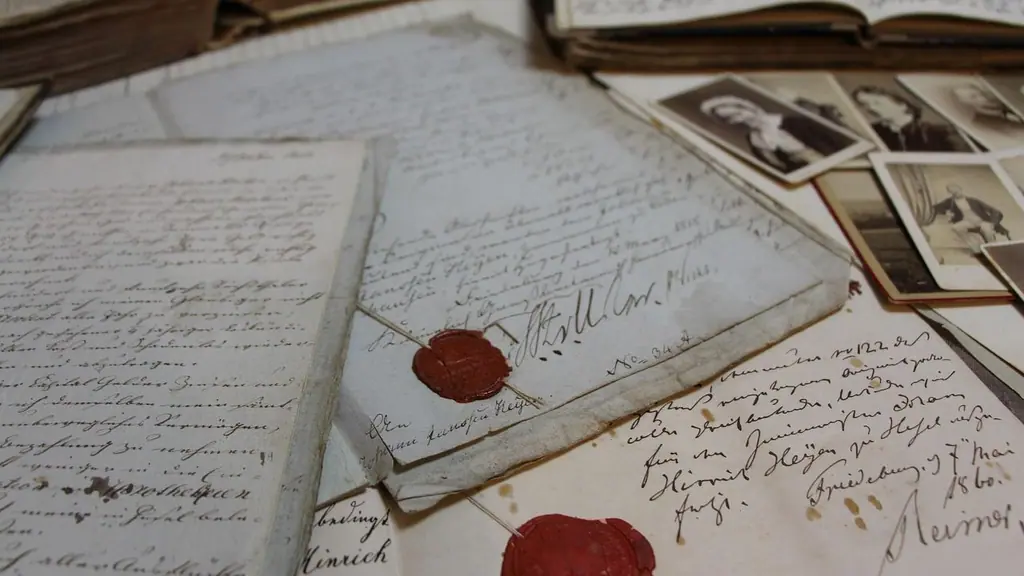
Suppose you are assigned a biography project on a nineteenth-century inventor, a senator from your state or a local woman who ran a newspaper in the 1920s. The inventor has a long encyclopedia article, the senator has an official directory entry, and the newspaper editor seems to have left almost no trace. Each one calls for a different set of sources, and the research method is what turns scattered facts into a reliable life story.
This page explains how biographical research works, where to find trustworthy free sources for famous, public and little-known people, and how to check the dates and claims that so often conflict from one source to the next.
Three kinds of subjects, three starting points
The first question is how well known your subject is, because that decides where you begin.
| Your subject | Begin with | Then move to |
|---|---|---|
| Famous figure (major artist, scientist, leader) | A national biographical dictionary or a good encyclopedia article | Published letters and papers, full-length biographies, archives |
| Public official (member of Congress, federal judge, officeholder) | Official government biographical directories | Speeches, voting records, court opinions, newspapers |
| Little-known person (local figure, ancestor, ordinary worker) | Census, military, immigration and vital records | Local newspapers, city directories, local histories, family papers |
National biographies and official directories
National biographical dictionaries are the gold standard for well-known people because entries are written by specialists, signed, edited and accompanied by a list of sources. Harvard Library's research guide calls the American National Biography the standard source for major American figures. It, and Britain's Oxford Dictionary of National Biography, are subscription works, but many public, school and university libraries provide free access with a library card. Two national biographies are completely free online:
- The Dictionary of Canadian Biography, a scholarly, bilingual reference to people who shaped Canada.
- The Australian Dictionary of Biography, produced at the Australian National University.
For American public officials, the federal government maintains authoritative directories. The Biographical Directory of the United States Congress has an entry for every person who has served in Congress, with dates of service and pointers to papers and further reading. The Federal Judicial Center's Biographical Directory of Article III Federal Judges covers presidentially appointed judges since 1789, with searchable data on courts, appointing presidents and dates of service. Prize organizations and professional bodies often publish reliable biographies too; the Nobel Prize site, for example, includes biographical material on every laureate.
Records for ordinary lives
Most people never appear in a biographical dictionary, but they do appear in records. The National Archives' resources for genealogists are a good map of what exists:
- Census records. Federal population schedules from 1790 onward list households, ages, birthplaces and occupations. Because of a 72-year privacy restriction, the most recent census open to the public is 1950, released on April 1, 2022.
- Military records. Service records and pension files can include physical descriptions, family details and letters.
- Immigration and naturalization records. Passenger lists and citizenship papers give arrival dates and places of origin.
- Newspapers. Obituaries, wedding announcements, business notices and local news often supply the details that turn a name into a person. The Library of Congress's Chronicling America has digitized historic newspapers from across the country, free.
FamilySearch, a free genealogy service run by The Church of Jesus Christ of Latter-day Saints, provides indexed records from around the world after a free sign-up. Our guide to free genealogy research goes deeper into family-history sources.
Tip: Spellings drift. Search for variant spellings of names, initials instead of first names, and maiden and married names. Census takers wrote what they heard, and indexers read handwriting as best they could.
Finding letters, diaries and personal papers
The richest biographical sources are a person's own words. To find where someone's papers are held:
- Check the end of a good dictionary entry, which usually notes where the subject's papers are kept.
- Search archival networks. Social Networks and Archival Context (SNAC) links records about people to the archival collections that hold their papers, across many repositories.
- Search library catalogs such as WorldCat for published diaries, letters and memoirs.
- Look for documentary editions of major figures' papers, many of them free online, such as Founders Online for leading figures of the American founding.
Checking facts: the biographer's discipline
Biographical facts conflict more often than you might expect. Birth years shift, quotations are misattributed and family legends harden into "facts." Work like this:
- Build a timeline with every date and place you find, noting the source of each.
- Rank sources by closeness to the event. A birth certificate or a census entry made at the time outweighs a memoir written fifty years later; a memoir outweighs an unsourced web profile. Our guide to primary, secondary and tertiary sources explains the distinction.
- Note conflicts openly. If two reliable sources disagree, say so in your work rather than silently choosing one.
- Be wary of quotations. Famous people are credited with many lines they never said; see how to check who really said it.
Try it: Choose a member of Congress from your state who served before 1900. Read the Congressional directory entry, then find the person in one census and one newspaper article. Do the dates and places agree? Record each source on a timeline.
Researching living people responsibly
Biographies of living public figures should rely on published, accountable sources: official biographies, reputable news reporting, interviews and the person's own published work. Avoid people-search and data-broker websites; their information is often inaccurate, and compiling personal details about private individuals raises real privacy concerns.
Safety: If a school project involves interviewing a living person, such as a grandparent or community member, get their permission, explain how the work will be shared, and leave out private details such as home addresses and dates of birth. Students should involve a parent or teacher before contacting anyone they do not know.
For more about the reference shelf as a whole, visit the Reference Desk.
Recommended resources
- Biographical Directory of the United States Congress — Official biographies of every member of Congress since 1774, with research collections and bibliographies (U.S. Congress; free).
- FJC: Biographical Directory of Article III Federal Judges — Searchable biographies and downloadable data on federal judges appointed since 1789 (Federal Judicial Center; free).
- Dictionary of Canadian Biography — Scholarly, signed biographies of people in Canadian history, in English and French (University of Toronto and Université Laval; free).
- Australian Dictionary of Biography — Thousands of authoritative, sourced biographies of significant Australians (Australian National University; free).
- American National Biography — The standard scholarly biographical dictionary of Americans; ask your library for remote access (Oxford University Press; subscription, often free through libraries).
- Oxford Dictionary of National Biography — Signed biographies of people who shaped British history; many UK public libraries offer free remote access (Oxford University Press; subscription).
- National Archives: Resources for Genealogists — Guides to census, military, immigration and naturalization records for researching ordinary lives (National Archives; free).
- Chronicling America — Full-text historic American newspapers for obituaries, local news and notices (Library of Congress; free).
- FamilySearch — Indexed historical records and family trees from around the world (The Church of Jesus Christ of Latter-day Saints; free; account required).
- Social Networks and Archival Context (SNAC) — Finds which archives hold papers by or about a person, and shows connections between people (SNAC Cooperative; free).
- The Nobel Prize — Biographies, lectures and interviews for every Nobel laureate (Nobel Prize Outreach; free).
- Harvard Library: Finding Biographical Information — A librarian's guide to biographical dictionaries, indexes and research approaches (Harvard University; free to read; some databases restricted).
Sources
- Finding Biographical Information: Introduction and Resources of First Resort, Harvard Library
- Biographical Resources: A Research Guide, Cornell University Library
- Census Records, National Archives
- Biographical Directory of Article III Federal Judges, 1789-present, Federal Judicial Center
- Resources for Genealogists and Family Historians, National Archives