DIGDigital Literacy
Health Information Online: Where to Start and What to Trust
A starting map for health questions online: MedlinePlus, CDC, NIH, NHS and WHO, which to use for what, quick checks for any health site, and when to call.
Evaluating sources, spotting misinformation, reading laterally and understanding how search, ads and algorithms shape what we see.
13 guides and 23 resources
DIGDigital Literacy
A starting map for health questions online: MedlinePlus, CDC, NIH, NHS and WHO, which to use for what, quick checks for any health site, and when to call.
DIGDigital Literacy
What AI chatbots do well and badly in research, why they invent citations, how to verify their output, and how to cite or disclose their use in MLA and APA.

DIGDigital Literacy
What students may reuse in projects: copyright basics, the four fair use factors, the public domain, Creative Commons licenses and proper attribution.
DIGDigital Literacy
A five-minute fact-checking routine built on SIFT: stop, check the source, find better coverage and trace claims to the original, with three worked examples.
DIGDigital Literacy
How to recognize look-alike news domains, partisan pink slime sites, fake article screenshots and ads dressed as news, plus a two-minute source check.
DIGDigital Literacy
Misinformation, disinformation and malinformation explained: why false claims spread so fast, how prebunking works, and how to talk about it with family.
DIGDigital Literacy
Lateral reading, SIFT and the CRAAP test compared: what each method asks, where checklists go wrong, and a worked example of checking an unfamiliar website.
DIGDigital Literacy
How to find and judge news sources at the local, national and world level, spot the signs of quality journalism, and stay informed where local news is thin.

DIGDigital Literacy
Classic email hoaxes, from the cell-phone directory scare to the 'email tax' and forward-for-cash giveaways, and the checking habits that still work today.
DIGDigital Literacy
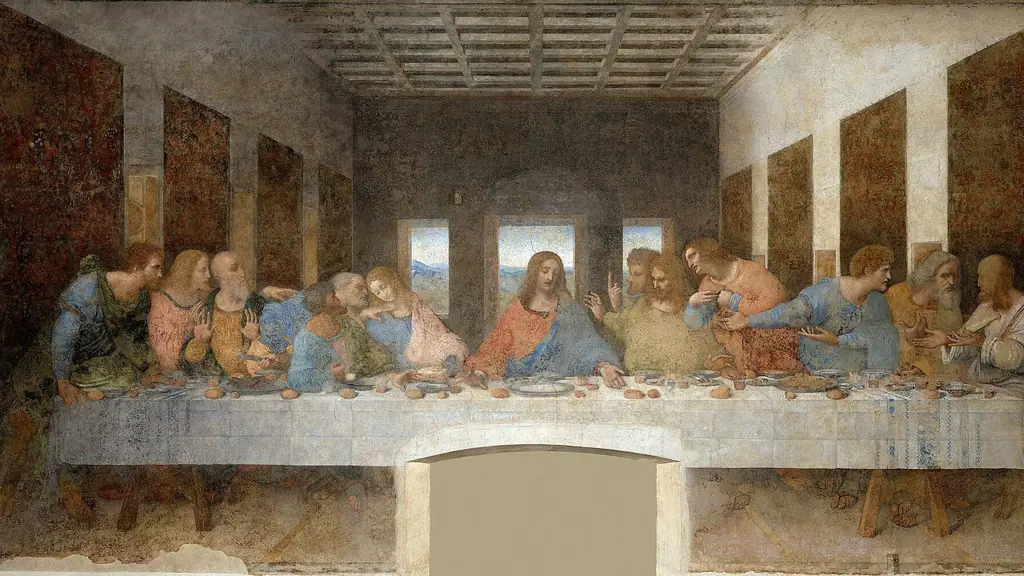
Using Dan Brown's 2003 novel as a case study in checking historical claims: the Priory of Sion, Opus Dei, Leonardo's Last Supper and the Council of Nicaea.
DIGDigital Literacy
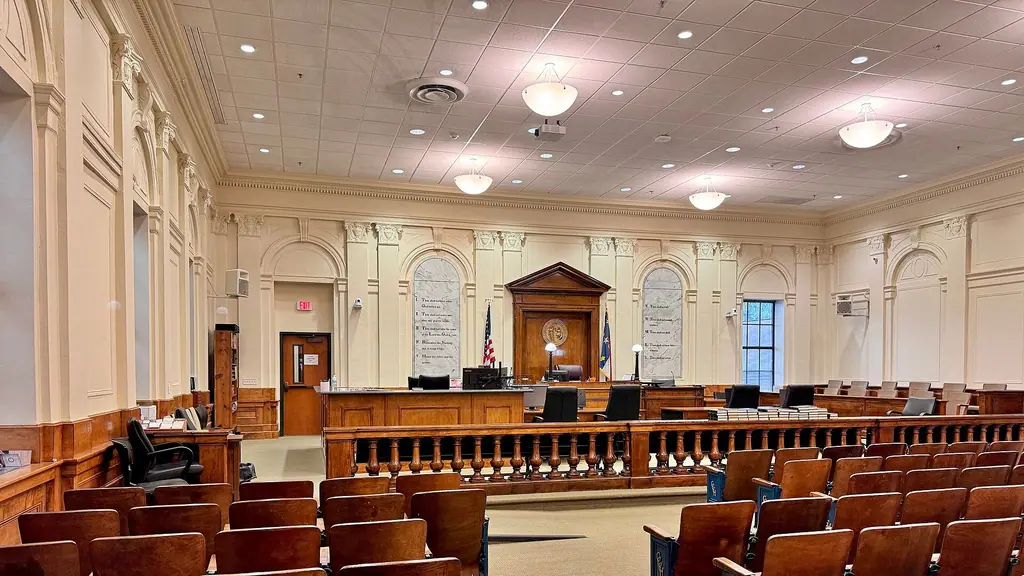
Real odd court cases with citations, the facts of the McDonald's hot coffee case, how fake lawsuit lists spread, and how to look up and read a court opinion.
DIGDigital Literacy
Why viral lists of weird laws and courtroom quotes are so often wrong, and a step-by-step method for checking any odd-law claim against the actual statute text.
DIGDigital Literacy
How cold reading, hot reading, the Barnum effect and confirmation bias make a 'psychic' reading feel accurate, plus a checklist for watching one critically.
Every entry is checked by hand. Filter these in the library by audience, type or cost.
The Associated Pressapnews.com
Fact-checks from the Associated Press newsroom examining claims by public figures and viral misinformation. Concise explanations show what is true, false or missing context, from one of the world's largest news organizations.
Using it: Free with ads.
Verified
Annenberg Public Policy Center, University of Pennsylvaniafactcheck.org
A nonpartisan project that monitors the factual accuracy of statements by U.S. political figures, ads and viral claims. Articles explain evidence in detail, and its SciCheck feature examines claims about science and health.
Using it: Free, no account, no ads.
Verified
Full Fact (UK charity)fullfact.org
The UK's independent fact-checking charity, checking claims by politicians, media and online posts. It also publishes guides on spotting misinformation and campaigns for better standards in public information.
Using it: Free, no ads.
Verified
Pew Research Center (nonpartisan)pewresearch.org
A nonpartisan research organization that publishes survey research and data analysis on public opinion, demographics, technology use, religion and media. Its reports and methodology notes make it a dependable source for statistics on social trends.
Using it: Free; datasets can be downloaded with a free account.
Verified
Poynter Institutepolitifact.com
A fact-checking site that rates the accuracy of claims by politicians and viral posts on its Truth-O-Meter scale. Each rating links to the evidence used, helping readers judge political statements on their merits.
Using it: Free with ads.
Verified
Quote Investigator (independent)quoteinvestigator.com
A site that traces the true origins of famous quotations, documenting earliest known appearances in print. Useful when checking whether a quote attributed to a well-known person is accurate before using it in writing or presentations.
Using it: Free, with ads.
Verified
Snopes Media Groupsnopes.com
One of the oldest fact-checking sites, investigating urban legends, viral rumors, hoaxes and questionable claims. Each article explains how a claim was checked and lists sources, a quick first check before sharing a surprising story.
Using it: Free with ads; optional membership.
Verified
News Literacy Project (nonpartisan nonprofit)newslit.org
A free e-learning platform with interactive lessons on news literacy, misinformation, bias and the role of a free press. Students practice evaluating real examples, and teachers can assign lessons and track progress.
Using it: Free for educators and learners; registration required. Designed for middle and high school.
Verified
Digital Inquiry Group (formerly Stanford History Education Group)cor.inquirygroup.org
Free lessons and assessments that teach students to evaluate online information the way professional fact-checkers do, using lateral reading and checking who is behind a source. Developed from research on how people judge digital content.
Using it: Free; account required to download lessons.
Verified
Digital Inquiry Group (formerly Stanford History Education Group)inquirygroup.org
Free document-based history lessons, originally developed as Reading Like a Historian, that teach students to source, contextualize and corroborate historical evidence. Each lesson combines primary documents with structured questions, building skills that transfer directly to evaluating information today.
Using it: Free; account required to download lesson materials.
Verified
Poynter Institutepoynter.org
A digital media literacy initiative from the Poynter Institute that teaches people of all ages how to sort fact from fiction online. Free courses, videos and tips are designed for teens, college students and older adults.
Using it: Free; some courses require registration.
Verified
Infrastructure Services for Open Access (nonprofit)doaj.org
A curated index of reputable open access journals that meet quality and transparency criteria. Use it to find peer-reviewed articles you can read without paying, or to check whether an unfamiliar journal is legitimate before citing or submitting to it.
Using it: Free, no account.
Verified
Gapminder Foundation (nonprofit)gapminder.org
A nonprofit that uses animated charts and data tools to challenge common misconceptions about global development. Its bubble-chart explorer, Dollar Street photo collection and quizzes help students see how health, wealth and living conditions vary across countries and change over time.
Using it: Free, no account.
Verified
Googletoolbox.google.com
A search tool for finding fact-checks published by fact-checking organizations worldwide. Search a claim, topic or image to see whether it has already been investigated and what reviewers concluded.
Using it: Free, no account.
Verified
Idée Inc.tineye.com
A reverse image search engine that finds where an image appears online and how it has been modified. Useful for tracing the original source of a photo, checking whether a viral image is old or edited, and verifying image credits before reuse.
Using it: Free for non-commercial searches; paid API.
Verified
Internet Archive (nonprofit)web.archive.org
A searchable archive of billions of saved web pages going back to the 1990s. Enter an address to see how a site looked on earlier dates, recover vanished sources, check whether a page was changed, or save a page now so a citation stays verifiable.
Using it: Free, no account needed to browse. A free account lets you save pages on demand. Not every page or date is captured.
Verified
Common Sense Media (nonprofit)commonsensemedia.org
A nonprofit that publishes age-based reviews and ratings of movies, TV shows, books, games, apps and websites, along with advice for parents and digital citizenship lessons for schools. Detailed notes on content such as violence, language and positive messages help families decide what fits their children.
Using it: Free reviews with limited access; membership unlocks more. Ages guidance in each review.
Verified
First Draft (archived; organization closed in 2022)firstdraftnews.org
The archived resources of First Draft, a nonprofit that trained journalists and researchers to tackle misinformation. Its guides on verification, information disorder and responsible reporting remain useful reading, though they are no longer maintained.
Using it: Free; archive of guides no longer updated.
Verified
MediaSmarts (Canadian nonprofit)mediasmarts.ca
Canada's centre for digital and media literacy, offering lessons, guides and games on topics such as misinformation, online privacy, cyberbullying and media representation. Materials support teachers and parents.
Using it: Free, no account.
Verified
News Literacy Project (nonpartisan nonprofit)newslit.org
A nonpartisan nonprofit that teaches people how to tell credible information from misinformation. It offers lessons, quizzes, a newsletter on viral rumors and guides for evaluating news, useful for teachers, students and adults wanting stronger news judgment.
Using it: Free resources; some programs require free registration.
Verified
Mike Caulfield (digital literacy researcher)hapgood.us
A widely taught framework for evaluating online information: Stop, Investigate the source, Find better coverage and Trace claims to their origin. A short, practical method suitable for students and adults learning lateral reading.
Using it: Free blog post.
Verified
DROG with University of Cambridgegetbadnews.com
An online game where players take the role of a fake news creator to learn how misinformation techniques work. Developed with researchers studying prebunking, it helps players recognize manipulation tactics.
Using it: Free, no account. Suited to teens and adults; uses satirical fake headlines.
Verified
Jigsaw (Google)phishingquiz.withgoogle.com
A short interactive quiz from Jigsaw, a unit of Google, that shows realistic examples of emails and asks whether each is legitimate or a phishing attempt. Explanations after each answer highlight warning signs, making it a quick training exercise for students and adults.
Using it: Free, no account.
Verified