Poetry Online: Free Anthologies, Audio and Teaching Resources
Trustworthy free places to read and hear poems online, a simple method for reading a poem closely, and classroom ideas from recitation to Poem-a-Day.
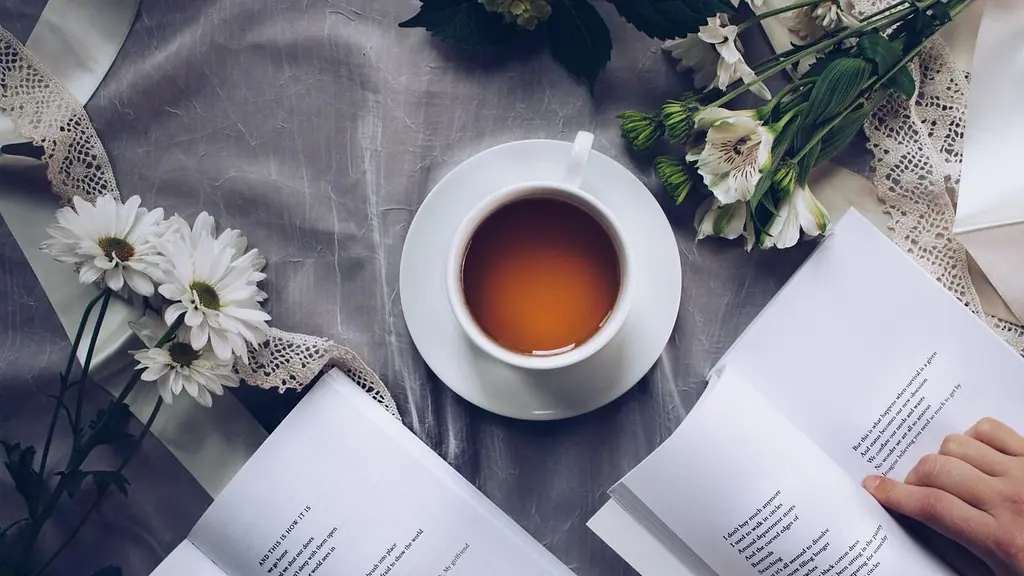
A student is asked to choose "a poem that speaks to you" for Friday. She searches the title of a poem she half remembers and lands on a page where the line breaks are gone, two stanzas are missing and the poet's name is misspelled. The poem is still recognizable, but it is not quite the poem the poet wrote, and she has no way of knowing.
Poetry suffers more than most writing from careless copying, because so much of its meaning sits in exact words, line breaks and spacing. The good news is that some of the best poetry collections in the English-speaking world are free, carefully edited and online. This page points to them, offers a short method for reading any poem closely, and suggests classroom and family activities, including the national recitation program many high schools take part in.
Where to read poems you can trust
When you pick a source, look for three things: an identified editor or institution, a credit line showing where the poem was first published, and, for older poems, a note about which edition the text follows.
- Poetry Foundation. The publisher of Poetry magazine, which has appeared in Chicago since 1912, maintains a large free archive of classic and contemporary poems with poet biographies, essays and audio.
- Poets.org. The Academy of American Poets offers thousands of poems, poet biographies, Poem-a-Day (a free daily poem by email) and materials for teachers.
- Representative Poetry Online. Hosted by the University of Toronto Libraries, it presents edited texts of poems in English across several centuries, with a timeline and indexes.
- Library of Congress. Its Poetry and Literature Center runs the office of the Poet Laureate Consultant in Poetry and shares recordings, programs and teaching material.
For anthologies and collected works that are in the public domain, digital libraries are the best route; our guide to the best free digital libraries explains how to find complete books, and free classic literature online covers older works in other genres.
Tip: Most poems published in the last century are still under copyright. Link to a reputable site or cite the book rather than copying a full contemporary poem into a slideshow or website.
Hear poems read aloud
Poetry began as something spoken, and hearing a poem changes how you read it. Several archives specialize in recordings, many of them made by the poets themselves:
- PennSound at the University of Pennsylvania collects free recordings of poets reading, from historic tapes to recent events.
- The Poetry Archive, a UK charity, records poets reading their own work and shares the recordings free; its separate Children's Poetry Archive is aimed at younger listeners.
- The Favorite Poem Project, begun by former Poet Laureate Robert Pinsky, features short videos of ordinary Americans reading and talking about poems they love.
- LibriVox volunteers record public domain texts, including many collections of older poetry.
A simple method for reading a poem closely
Poems reward slow reading. This six-step routine works for a sonnet, a song lyric or a free-verse poem.
- Read it aloud twice. The first time for sound and overall feeling, the second for sense. Pause where the punctuation tells you to, not automatically at the end of each line.
- Find the speaker and the situation. Who is talking, to whom, and what is happening? The speaker is not always the poet.
- Paraphrase, then notice what the paraphrase loses. Put each sentence into plain prose. The parts that resist paraphrase are often where the poem does its real work.
- Mark patterns. Look for repeated words, images, rhymes and changes in rhythm or form. Note where a line break creates a second meaning.
- Locate the turn. Many poems shift direction partway through, in tone, time or argument. Ask what changes, and why there.
- Ask one open question. "Why does the poem end on this image?" is a better starting point for discussion or an essay than "What does it mean?"
Try it: Choose a short poem from Poets.org or the Poetry Foundation. Read it silently, then listen to a recording of the poet reading it, if one exists. Write down two things the recording made you notice that you missed on the page.
Poetry in the classroom
Recitation. Poetry Out Loud is a national recitation competition for high school students, run by the National Endowment for the Arts with state and jurisdictional arts agencies since 2005. Students choose poems from the program's online anthology, compete at the school level and can advance to state and national finals. The program publishes lesson plans and guidance for teachers organizing a school contest, and memorization and performance build confidence even for students who never compete.
National Poetry Month. The Academy of American Poets launched National Poetry Month in April 1996, and schools and libraries now mark it every April. Poem-a-Day, Poem in Your Pocket Day and the Academy's teaching resources make easy anchors for a month of short daily activities.
Writing from models. Students often write their best poems by imitating a structure: a list poem, a poem of address, a poem that begins each line with the same phrase. Pair each writing prompt with a published model from a reputable archive, and credit it.
Mixed abilities and ages. For younger children, start with sound, rhythm and play; our page on nursery rhymes explores the oldest verse most children know. For older students, comparing two poems on the same subject, written a century apart, makes questions of form and context concrete.
More teaching collections are gathered on our For Teachers page and the Educational Resources subject page.
Poetry at home
Families do not need a lesson plan. Reading a poem aloud at dinner, keeping a shared notebook of favorite lines, or letting a child pick the audio recording for a car ride all build familiarity. Libraries often host poetry readings and teen writing groups, especially in April, and many accept poetry submissions for local contests.
Checklist for choosing a poem online: named poet and correct title; reputable publisher or library; credit to the original book or magazine; line breaks and stanza breaks intact; for older poems, a note on the edition used; audio by the poet, if available.
Recommended resources
- Poetry Foundation — A large, free archive of poems with biographies, essays, audio and podcasts from the publisher of Poetry magazine. Use the poem pages for reliable texts with publication credits. (Poetry Foundation; free.)
- Poems on Poets.org — Thousands of poems searchable by poet, theme, occasion and form, many with audio. (Academy of American Poets; free.)
- Poem-a-Day — A new poem delivered each morning, often previously unpublished, with a short note from the poet. Signing up requires an email address. (Academy of American Poets; free.)
- Materials for Teachers — Lesson plans, essays on teaching poetry and classroom activities for different grade levels. (Academy of American Poets; free.)
- Poetry and Literature Center — The Library of Congress program behind the Poet Laureate, with recordings, events and resources for teachers and readers. (Library of Congress; free.)
- Poetry Out Loud — The national high school recitation program, with an online anthology, rules, key dates and recitation videos. Teachers can register a school through their state arts agency. (National Endowment for the Arts and state arts agencies; free.)
- Poetry Out Loud Lesson Plans — Ready-made lessons on choosing, memorizing and performing poems. (Poetry Out Loud; free.)
- Representative Poetry Online — Edited texts of poems in English with a timeline and indexes, maintained by a university library. Good for older poems where accurate text matters. (University of Toronto Libraries; free.)
- PennSound — A deep archive of free recordings of poets reading their work, organized by author. (University of Pennsylvania; free.)
- The Poetry Archive — Recordings of poets reading their own poems, with texts and short introductions. (The Poetry Archive, UK charity; free.)
- Children's Poetry Archive — Poets reading poems for children, organized for young listeners and their teachers and parents. (The Poetry Archive; free.)
- Favorite Poem Project — Short videos of Americans from many walks of life reading poems they love, a useful prompt for discussion or a class recitation. (Favorite Poem Project; free.)
- LibriVox — Volunteer-read audiobooks of public domain texts, including many poetry collections and single poems. Recording quality varies by reader. (LibriVox; free, no account needed to listen.)
- ReadWriteThink — Classroom lesson plans and student interactives from a teachers' professional organization, including many poetry activities. (National Council of Teachers of English; free.)
Sources
- About Us: Poetry Out Loud, Poetry Out Loud / National Endowment for the Arts
- National Poetry Month, Academy of American Poets
- Poetry Foundation, Poetry Foundation
- PennSound, University of Pennsylvania
- The Poetry Archive, The Poetry Archive