Pets and Domestic Animals: Reliable Care and Adoption Resources
Trusted sources for choosing, adopting and caring for pets: veterinary advice, shelter adoption, pet poison help, diseases shared with animals, disaster plans.
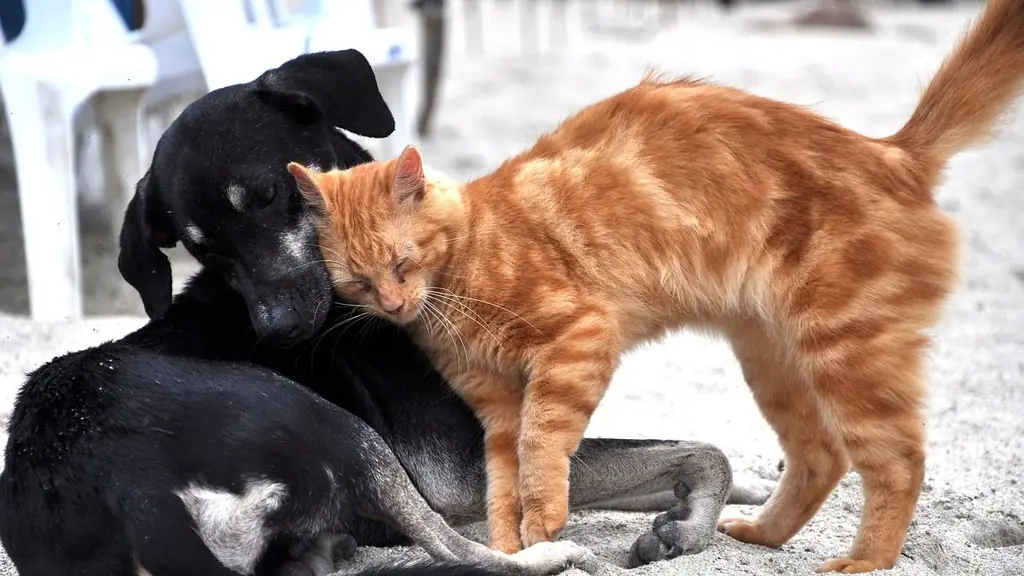
A family has decided to get a pet. The children want a puppy, one parent is allergic to cats, the apartment lease limits animal size, and nobody is sure whether a rabbit or a pair of guinea pigs would be easier. Searching online turns up breeders' ads, influencer videos and confident forum advice that contradicts itself. What the family needs is information from people whose job is animal health and welfare.
This page gathers those sources: veterinary organizations, government health agencies and long-established animal welfare nonprofits. It covers choosing and adopting a pet, everyday care, the diseases people and animals can share, poison emergencies, and how to include pets in a disaster plan. It is general information; your own veterinarian is the right person for questions about a specific animal.
Before you bring an animal home
The American Veterinary Medical Association (AVMA) stresses that responsible pet ownership starts before adoption: matching an animal to your household, budget, time and space, then committing to its care for its whole life. A few questions help:
| Question | Why it matters |
|---|---|
| How long does this species typically live? | Some birds and reptiles live for decades; a pet may outlast a childhood. |
| What will it cost each year? | Food, routine veterinary care, vaccinations, grooming, licensing and emergencies add up. |
| How much daily time and exercise does it need? | Many dogs need several walks a day; small animals need daily cleaning and handling. |
| Does anyone in the home have allergies or health risks? | Some pets are not advised for very young children or people with weakened immune systems (see below). |
| What do your lease, homeowners' rules and local laws allow? | Size, breed, number and species limits are common. |
| Who will care for it when you travel or in an emergency? | Plan a backup caregiver from the start. |
Try it: Choose two species you are considering. Using veterinary and welfare sources, list each one's typical life span, space needs, diet and daily care tasks, then estimate a monthly budget. Compare the lists with your family before deciding.
Adopting from a shelter or rescue
Animal shelters and rescue groups care for dogs, cats and many other animals, from rabbits to birds, and adoption usually includes a health check, vaccinations and spaying or neutering. Good starting points:
- Your local municipal shelter or humane society. Search your city or county government website for its animal services department.
- The ASPCA's adoption pages, which explain what to expect and help you find adoptable animals.
- Best Friends Animal Society, a national nonprofit that works with shelters and shares adoption information.
Ask the shelter about the animal's history, temperament, health and how it behaves with children or other pets. Many shelters offer foster-to-adopt arrangements or advice after adoption.
If you are buying from a breeder instead, the AVMA's guidance on choosing a pet and breed clubs such as the American Kennel Club and the Cat Fanciers' Association can help you learn about breeds and what responsible breeding involves. Be wary of sellers who will not let you see where the animal was raised or who pressure you to pay quickly; pet sale scams are common online.
Tip: Ask your veterinarian or shelter about a microchip, and register it with your current contact details. The AVMA and the American Animal Hospital Association promote August 15 as "Check the Chip Day," a yearly reminder to update the information.
Everyday care: where to look
For routine questions, use these in roughly this order:
- Your veterinarian, especially for vaccines, parasite prevention, diet and behavior changes.
- AVMA pet owner resources, which cover preventive care, first aid, choosing a veterinarian and safe use of flea and tick products.
- ASPCA pet care guides, with care basics for dogs, cats and horses, plus behavior and health topics.
- Humane World for Animals care resources, including help for owners struggling to afford pet care. This organization was known for decades as the Humane Society of the United States; it adopted the name Humane World for Animals in February 2025.
- FDA Center for Veterinary Medicine, for pet food and animal drug recalls and how to report a problem with a pet food or medicine.
Health and science: diseases people and pets share
Diseases that can spread between animals and people are called zoonotic diseases. CDC's Healthy Pets, Healthy People program explains that animals can carry germs even when they look clean and healthy, and that people can get sick from touching an animal, its waste, or items in its environment. Simple habits lower the risk:
- Wash hands with soap and water after touching animals, their food, bedding, cages or waste.
- Keep pets' vaccinations current, including rabies vaccination for dogs, cats and ferrets as required by state and local law.
- Clean cages, tanks and litter boxes regularly, and keep pet supplies away from kitchen counters.
- See a veterinarian about diarrhea, weight loss or skin problems in pets, and a doctor if you become ill after animal contact.
CDC advises that children younger than 5, along with older adults, pregnant people and people with weakened immune systems, face a higher risk of serious illness from some animals. CDC recommends that young children avoid contact with reptiles, amphibians, backyard poultry and rodents, which commonly carry Salmonella even when healthy. For science projects about animals in the wild, see wildlife and animal science resources and biology learning resources.
Safety: Supervise young children around all animals, teach them not to approach unfamiliar dogs or disturb animals that are eating or sleeping, and have them wash their hands after every contact. Families with very young children should check CDC guidance before choosing a reptile, amphibian, rodent or backyard poultry.
Poison emergencies
Common household items, from certain human foods and medicines to houseplants and garden products, can poison pets. If you think your pet has eaten something harmful, contact your veterinarian or an emergency animal hospital right away, or call a pet poison hotline:
- ASPCA Animal Poison Control Center: (888) 426-4435. Available around the clock, every day; the ASPCA says a consultation fee may apply.
- Pet Poison Helpline: 855-764-7661. Available around the clock; it charges a per-incident fee, stated on its website.
Do not try home remedies or make your pet vomit unless a veterinarian or poison expert tells you to. The ASPCA also publishes lists of toxic and nontoxic plants and of people foods to keep away from pets, which are worth reading before an emergency.
Pets in disasters
Ready.gov, the federal emergency preparedness site, puts it plainly: if officials ask you to evacuate, your pets should evacuate too. Its pet preparedness guidance recommends:
- An evacuation plan that includes pet-friendly places to stay, since many public shelters and hotels do not accept pets
- A buddy system with neighbors or relatives who can care for or move your pets if you cannot
- A pet emergency kit with food, water, medicines, records, a leash or carrier, and a current photo
- A microchip with up-to-date contact information, including someone outside your area
The ASPCA publishes similar disaster checklists. After a disaster, contact local shelters and animal control if a pet is lost, and support relief efforts through established animal welfare organizations rather than unfamiliar fundraisers.
More family-friendly science resources are on the Science and Mathematics subject page and the For Families page.
Recommended resources
- AVMA: Pet ownership — The veterinary profession's guidance on choosing a pet and caring for it responsibly over its lifetime (American Veterinary Medical Association; free).
- Check the Chip Day — Why microchips matter and how to keep registration current (AVMA; free).
- ASPCA Pet Care — Care basics for dogs, cats and horses, plus behavior and health tips (ASPCA, nonprofit; free).
- ASPCA: Adopt a Pet — What to expect when adopting and how to find adoptable animals (ASPCA; free).
- ASPCA Animal Poison Control Center — The 24-hour hotline, (888) 426-4435, with links to toxic plant and food lists; a consultation fee may apply (ASPCA).
- Toxic and Non-Toxic Plants — Searchable plant list for dogs, cats and horses, with photos (ASPCA; free).
- Pet Poison Helpline — A 24-hour animal poison control service at 855-764-7661; a per-incident fee applies (Pet Poison Helpline; paid service).
- CDC Healthy Pets, Healthy People — Diseases shared between people and animals, organized by animal, with prevention advice for families (Centers for Disease Control and Prevention; free).
- Humane World for Animals: Animal Care Resources — Pet care tips, help with behavior problems and resources for owners facing financial hardship (Humane World for Animals, formerly the Humane Society of the United States; free).
- Best Friends Animal Society — A national animal welfare nonprofit that works with shelters, runs an animal sanctuary and offers adoption and pet care information (Best Friends Animal Society; free).
- Prepare Your Pets for Disasters — Federal checklists for evacuation plans, pet emergency kits and travel (Ready.gov, FEMA; free; many languages).
- ASPCA Disaster Preparedness — Practical steps for keeping pets safe in fires, storms and evacuations (ASPCA; free).
- FDA Animal and Veterinary Recalls — Current pet food and animal product recalls and withdrawals (U.S. Food and Drug Administration; free).
- American Kennel Club: Expert Advice — Breed information, training and care articles from the U.S. purebred dog registry (AKC; free; some commercial content).
Sources
- Pet ownership, American Veterinary Medical Association
- People at Increased Risk for Illness from Animals, Centers for Disease Control and Prevention
- ASPCA Animal Poison Control Center, ASPCA
- Prepare Your Pets for Disasters, Ready.gov, Federal Emergency Management Agency
- The Humane Society of the United States is now Humane World for Animals, Humane World for Animals