GOVGovernment and Public Information
Most Wanted Lists: How the FBI and U.S. Marshals Lists Work
How the FBI Ten Most Wanted and U.S. Marshals 15 Most Wanted lists began and work, how to send a tip safely, and how to check wanted posts you see online.
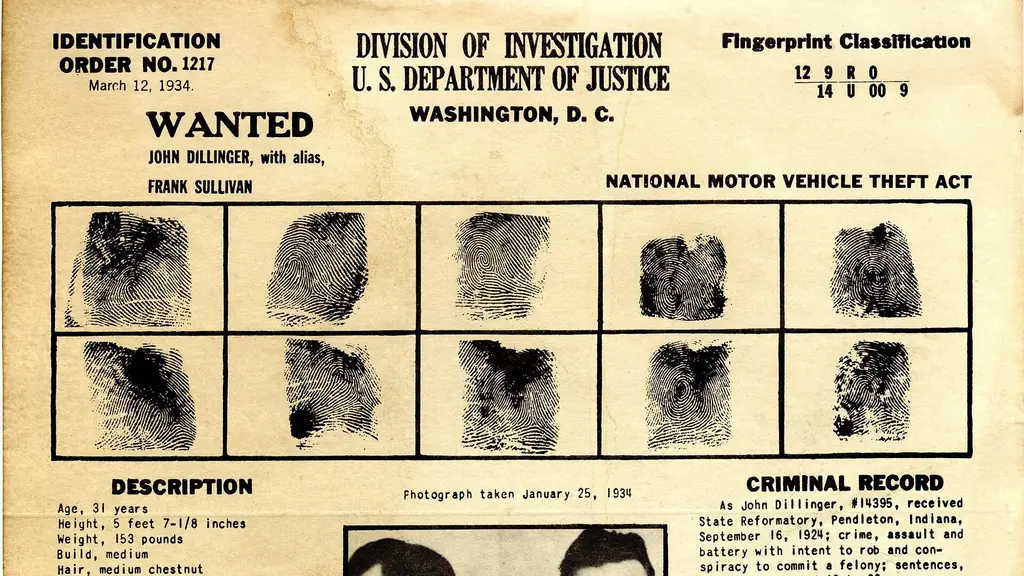
A photo of a wanted fugitive appears in a neighborhood social media group with the caption "Seen at the gas station on Main Street!" Within an hour it has hundreds of shares, a dozen guesses about where the person lives, and a few people saying they plan to "go look." Nobody has checked whether the poster is real, current, or even from the right state.
Most wanted lists exist because public attention genuinely helps law enforcement find dangerous fugitives. They work best when people understand what the lists are, use the official channels to report information, and stay well out of harm's way. This page explains the history and workings of the two best-known federal lists, how to submit a tip, and how to check a wanted notice before you share it.
Safety: Never approach, follow or try to detain anyone you believe is a wanted fugitive. People on these lists are often described as armed and dangerous. If someone is in immediate danger, call 911. Otherwise, note what you saw, from a safe distance, and report it through the official tip lines below.
The FBI's Ten Most Wanted Fugitives list
The FBI launched its Ten Most Wanted Fugitives list on March 14, 1950. According to the Bureau's own history, the idea came from the press: a reporter for the International News Service asked the FBI for the names and descriptions of the "toughest guys" it wanted to catch. The resulting story drew so much public interest that the FBI made the list an official, ongoing program. The FBI still holds the handwritten ledgers in which the early entries were recorded, and its history pages show them.
Over the decades the list has reflected the crimes of its time, from bank robbers and car thieves in the early years to violent radicals, organized crime figures, drug traffickers, terrorists and violent offenders against children later on. When the list turned 70 in 2020, the FBI reported that more than 500 fugitives had appeared on it and that the large majority had been captured or located, many of them thanks to tips from the public.
How someone is added
When a spot opens, FBI headquarters asks its field offices to nominate candidates. Two broad considerations apply: the fugitive should be considered particularly dangerous, and investigators should believe that nationwide publicity could help lead to an arrest. Nominations are reviewed at headquarters and approved by senior FBI leadership. Fugitives on the list are not ranked; "number one" is not an official position.
How someone is removed
A name comes off the list when the person is captured or found, when the federal charges are dismissed, or when the case no longer fits the program's criteria. Then the cycle begins again with a new nomination.
Tip: The FBI's wanted pages cover far more than the Top Ten, including people sought for specific crimes, missing persons, and "seeking information" requests where investigators want help identifying someone. Each notice includes the date it was posted or updated and instructions for submitting a tip.
The U.S. Marshals Service 15 Most Wanted
The U.S. Marshals Service (USMS), the federal government's oldest law enforcement agency, is responsible for much of the country's fugitive apprehension work, often through task forces with state and local police. In 1983 it established its own 15 Most Wanted program to focus attention and resources on high-profile, dangerous fugitives. Marshals Service fact sheets describe these as fugitives considered among the most dangerous, often including murderers, sex offenders, major drug traffickers and organized crime figures, and they report that well over 200 "15 Most Wanted" cases have been closed since the program began.
The two federal lists are separate. A fugitive can be sought by more than one agency, and other federal agencies, including Immigration and Customs Enforcement, publish their own most wanted pages. Many state police agencies and county sheriffs post regional lists as well.
| FBI Ten Most Wanted | USMS 15 Most Wanted | |
|---|---|---|
| Started | 1950 | 1983 |
| Run by | Federal Bureau of Investigation | U.S. Marshals Service |
| Official tip channel | tips.fbi.gov or 1-800-CALL-FBI | usmarshals.gov/tips or 1-877-WANTED2 |
| Where to read current notices | fbi.gov/wanted | usmarshals.gov |
How to submit a tip
If you believe you have information about a wanted person:
- Stay safe first. Do not confront the person or let them know you recognized them. Call 911 if anyone is in immediate danger.
- Confirm the notice on the official site. Open the agency's own website directly (not through a link in a social media post) and find the current notice.
- Write down what you know: the date, time and exact place you saw the person, a description of clothing and vehicles, license plates if you saw them safely, and the direction of travel.
- Use the agency's official channel. For the FBI, that is tips.fbi.gov or 1-800-CALL-FBI (1-800-225-5324). For the Marshals Service, it is the USMS Tips website or app, or the 24-hour line at 1-877-WANTED2 (1-877-926-8332). You can also contact your local police.
- Do not post your sighting publicly. Public posts can alert the fugitive, endanger you and others, and lead to the wrong person being harassed.
Many notices mention a reward. Amounts and conditions are set by the agency and stated on the official notice; be suspicious of anyone else who promises a reward or asks you to pay a fee to claim one.
Checking wanted posts before you share
Wanted notices are a favorite subject of online hoaxes and outdated chain posts. A real notice from years ago may still be circulating long after the person was caught, and fabricated "wanted" images are sometimes used to harass people or to spread fear. Before sharing:
- Find the original. Search the agency's official website for the name or the case. If you cannot find it there, do not share it.
- Check the date and status. Official pages show when a notice was posted or updated, and captured fugitives are marked or removed.
- Check the place. A post claiming a local sighting of a fugitive from another region needs strong evidence.
- Look for the agency's own tip instructions. Real notices tell you how to contact investigators; hoaxes often ask you to comment, share or click a link instead.
Try it: Find any wanted or missing-person post that has circulated in your area. Locate the original notice on the issuing agency's website. Is it current? Does the post add details the official notice does not include? Write two sentences on what you would tell a friend who shared it.
Our guides on internet hoaxes and chain messages and fact-checking a claim give more practice. To understand how cases proceed after an arrest, see finding courts and court opinions online; for the agencies themselves, see finding your way around the U.S. federal government online and the Government and Public Information subject page.
Recommended resources
- FBI Ten Most Wanted Fugitives — The current official list, with each notice's details, reward information and tip instructions (Federal Bureau of Investigation; free).
- FBI Most Wanted — All FBI wanted categories, including terrorism, kidnappings and missing persons, and "seeking information" requests (FBI; free).
- FBI Tips — The FBI's official online form for reporting information about crimes and wanted fugitives; for emergencies, call 911 instead (FBI; free).
- FBI Top Ten List Turns 70 — The Bureau's account of how the list began in 1950 and how it has changed (FBI; free).
- Original Top Ten Ledgers — Images and history of the ledgers used to record the list's early entries, a useful primary source for history projects (FBI; free).
- USMS Tips — Submit information about Marshals Service fugitives online; the 24-hour tip line is 1-877-WANTED2 (U.S. Marshals Service; free).
- Fugitive Apprehension fact sheet — A short PDF on how the Marshals Service tracks fugitives, its task forces and the 15 Most Wanted program (U.S. Marshals Service; free).
- ICE Most Wanted — Fugitives sought by U.S. Immigration and Customs Enforcement, with tip instructions (U.S. Immigration and Customs Enforcement; free).
- Rewards for Justice — The State Department's program offering rewards for information on terrorism and certain national security threats (U.S. Department of State; free).
- National Center for Missing & Exploited Children — Missing child posters, the CyberTipline and safety resources for families (NCMEC, nonprofit; free).
- NamUs — The national database of missing, unidentified and unclaimed persons cases, searchable by the public (National Institute of Justice; free).
- Internet Crime Complaint Center — Report internet-enabled crime such as online fraud to the FBI (FBI IC3; free).
Sources
- FBI Top Ten List Turns 70, Federal Bureau of Investigation
- Original Top Ten Ledgers, Federal Bureau of Investigation
- Ten Most Wanted Fugitives, Federal Bureau of Investigation
- Fugitive Apprehension fact sheet (2023), U.S. Marshals Service
- USMS Tips, U.S. Marshals Service