Today in History: Reliable 'On This Day' Sources
Which 'on this day' sites can you trust, and how do you check an anniversary? Calendars, time zones and signing dates explained, with reliable sources.
Suppose your class starts each morning with an "on this day" fact, and today it is your turn. A quick search gives you five sites, two of which disagree about the year, and one of which credits a famous person with a birthday that a museum gives as eleven days later. Which do you read out?
Anniversary lists are one of the oldest features of reference publishing, and among the easiest to get subtly wrong. This page explains which kinds of "on this day" sources are dependable, why dates go astray, and a short routine for checking any anniversary before you repeat it.
Why anniversary dates go wrong
Most errors are not inventions. They come from a handful of predictable traps.
Old Style and New Style calendars. Britain and its American colonies used the Julian calendar until 1752, when Parliament switched them to the Gregorian calendar. September 2, 1752 was followed directly by September 14, and the start of the year moved from March 25 to January 1. As the National Park Service explains, George Washington was born on February 11, 1731 by the calendar in use at the time; we celebrate February 22, 1732. Any date before 1752 in British or colonial records may need an "O.S." or "N.S." label, and other countries changed calendars in different years (Russia not until 1918).
Time zones. Neil Armstrong stepped onto the Moon at 10:56 p.m. Eastern Daylight Time on July 20, 1969, according to NASA's account. In Coordinated Universal Time that moment fell on July 21, which is why some European and Asian lists file the first moonwalk a day later. Neither date is wrong; the time zone is simply missing.
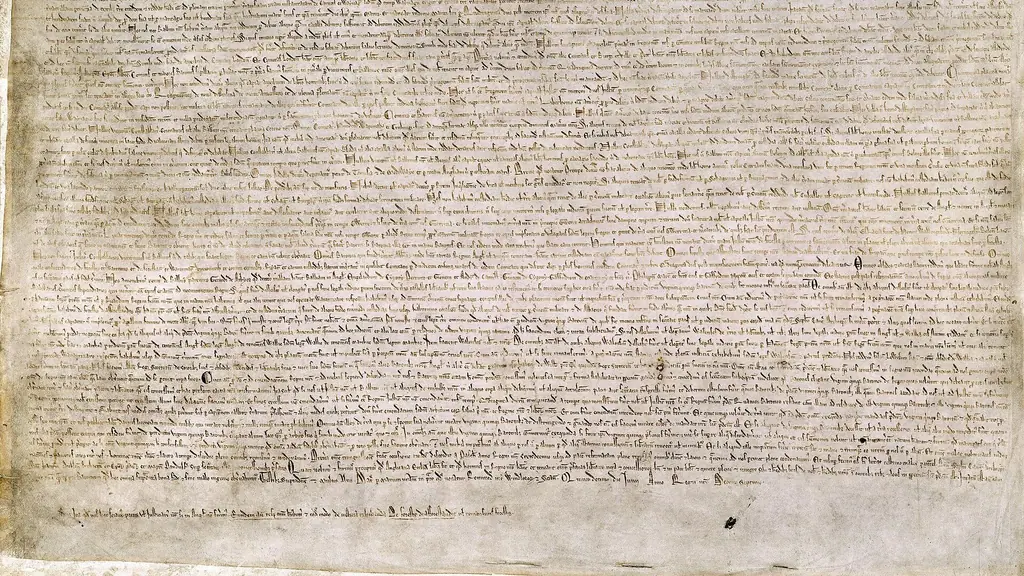
Which event counts? Many milestones have several dates. The Continental Congress adopted the Declaration of Independence on July 4, 1776, but the National Archives notes that the engrossed parchment copy was signed on August 2, and some delegates signed later still. Laws have dates of passage, signature and effect; treaties have signature and ratification; inventions have patent filing and grant dates.
Copying chains. Popular lists borrow from each other. A typo in one source can be repeated across dozens of sites until it looks like consensus. Ten sites agreeing is not ten pieces of evidence if they all copied the same original.
Kinds of "on this day" sources, from strongest to weakest
| Source type | Examples | Strengths | Watch for |
|---|---|---|---|
| Institutions describing their own history | NASA History, Naval History and Heritage Command, National Archives | Written from records the institution holds; often cites documents | Narrow focus on that institution's story |
| Library and archive features | Library of Congress Today in History | Each entry links to digitized primary sources you can inspect | Entries are written for a general audience and selective |
| Reference publishers | Britannica's On This Day | Edited, consistent, corrected over time | Short entries rarely explain calendar or time-zone issues |
| Contemporary newspapers | Chronicling America, The New York Times On This Day archive | Show how an event was reported at the time | First reports can contain errors later corrected |
| Open or commercial aggregators | Wikipedia date pages, broadcaster and trivia sites | Broad coverage, quick to scan | Unsourced or lightly sourced entries; copying chains |
The Library of Congress feature is a good model of what to look for: rather than just stating that something happened, it shows you photographs, manuscripts, maps or recordings from its collections so you can see the evidence. The Naval History and Heritage Command's daily entries do something similar for naval events, drawing on ship histories and official records.
Aggregators are not useless. They are often the quickest way to discover that an anniversary exists. Treat them as leads, then confirm with one of the stronger source types.
Tip: When a list gives only a year and an event, look for a source that also gives the place and the time zone. Specific details are a sign the writer worked from records rather than from another list.
A five-minute routine for checking an anniversary
- Write down exactly what is claimed. "Born on," "founded on," "signed on" and "first broadcast on" are different claims.
- Find the institution closest to the event. For a spacecraft launch, NASA; for a ship or battle at sea, the Naval History and Heritage Command; for a federal law or founding document, the National Archives or Congress.gov; for a person, a museum, presidential library or biography from an established reference publisher.
- Look for a primary source. A dated letter, a newspaper from the next morning, a logbook, a court record or a patent. Library and archive features often link to one directly.
- Check the calendar and the clock. Before 1752 in British contexts (or other changeover years elsewhere), ask whether the date is Old Style or New Style. For events after the invention of standard time, ask which time zone the source uses.
- Note disagreements honestly. If reliable sources give two dates, say so: "adopted July 4, signed August 2." That is more accurate, and more interesting, than picking one.
To see the day of the week for a historical date, a calendar tool can help, but remember that most online calculators assume the Gregorian calendar unless told otherwise. For more on that, see our page on calendars and date tools.
Try it: Pick today's date and find one event on Britannica's On This Day and one on the Library of Congress Today in History. For each, locate one primary source (a newspaper page, letter or photograph) that confirms the date. Did either event involve a calendar or time-zone question?
Using anniversaries in the classroom
Anniversaries make good hooks because they connect a distant event to a day students are living through. A few ways to get more out of them:
- Compare first reports with later accounts. Pull a front page from Chronicling America or a newspaper archive for the day after the event, then read a modern summary. What did reporters get right, and what did they not yet know?
- Turn a disputed date into a lesson. Washington's two birthdays, or the two dates for the Declaration, teach more about how history is recorded than an uncontested date does.
- Assign the routine. Ask each student to verify one "on this day" fact from an aggregator using the five steps above and to cite the primary source they found. Our guide to researching history online covers digitized newspapers and archives in more depth.
- Keep a class almanac. Over a semester, collect verified anniversaries with their sources. Our almanacs and fact books page lists reference works that model this kind of careful compilation.
For a broader method that works on any claim, not just dates, see how to fact-check a claim in five minutes.
Recommended resources
- Library of Congress: Today in History — A daily feature in which each entry is built around items from the Library's digitized collections, so you can open the underlying photographs, documents and recordings. Free, no account needed (Library of Congress).
- Britannica: On This Day — An edited daily list of events, births and deaths that links to fuller encyclopedia articles. Free to browse with advertising; some full articles require a subscription (Encyclopaedia Britannica).
- NASA History — NASA's history office publishes mission timelines, anniversary articles and official histories of spaceflight and aeronautics. Free, no account (NASA).
- Today in Naval History — Day-by-day entries on U.S. Navy events drawn from the Naval History and Heritage Command's records and ship histories. Free (U.S. Navy).
- The New York Times: On This Day archive — An archived feature pairing calendar dates with the newspaper's original coverage of historic events. Free to browse; the archive is no longer updated (The New York Times).
- Chronicling America — Millions of digitized U.S. newspaper pages, ideal for reading how an event was reported the next day. Free, searchable by date and place (Library of Congress and National Endowment for the Humanities).
- National Archives Catalog — Search federal records, including many digitized originals, to confirm dates in laws, treaties, military records and photographs. Free; an account is only needed to tag or transcribe (National Archives).
- Founders Online — Searchable, dated correspondence and papers of Washington, Franklin, Adams, Jefferson, Hamilton, Jay and Madison, useful for confirming eighteenth-century dates. Free (National Archives and University of Virginia Press).
- DocsTeach — Classroom activities built on National Archives documents, many tied to specific dates and anniversaries. Free; teacher accounts are optional (National Archives).
- NPS: George Washington's Birthday — A short, clear explanation of the 1752 calendar change and why Washington's birthday moved eleven days. Free (National Park Service).
- timeanddate.com Calendar — Calendars for any year and country, with holidays, handy for checking the day of the week; note which calendar system a historical date uses. Free with advertising (Time and Date AS).
Sources
- Today in History, Library of Congress
- The Declaration of Independence: A History, National Archives
- George Washington's Birthday, National Park Service
- July 20, 1969: One Giant Leap for Mankind, NASA
- Today in Naval History, Naval History and Heritage Command
- On This Day (archive), The New York Times