
DIGDigital Literacy
How to Spot Imposter News Sites and Fabricated Articles
How to recognize look-alike news domains, partisan pink slime sites, fake article screenshots and ads dressed as news, plus a two-minute source check.
Every Re-Quest guide, newest first: practical, sourced help with research, reference, digital literacy, internet safety and learning online.
DIGDigital Literacy
How to recognize look-alike news domains, partisan pink slime sites, fake article screenshots and ads dressed as news, plus a two-minute source check.
SAFInternet Safety
How cookies, tracking pixels, app permissions and data brokers collect your information, with a practical privacy settings checklist for browsers and phones.
EDUEducational Resources
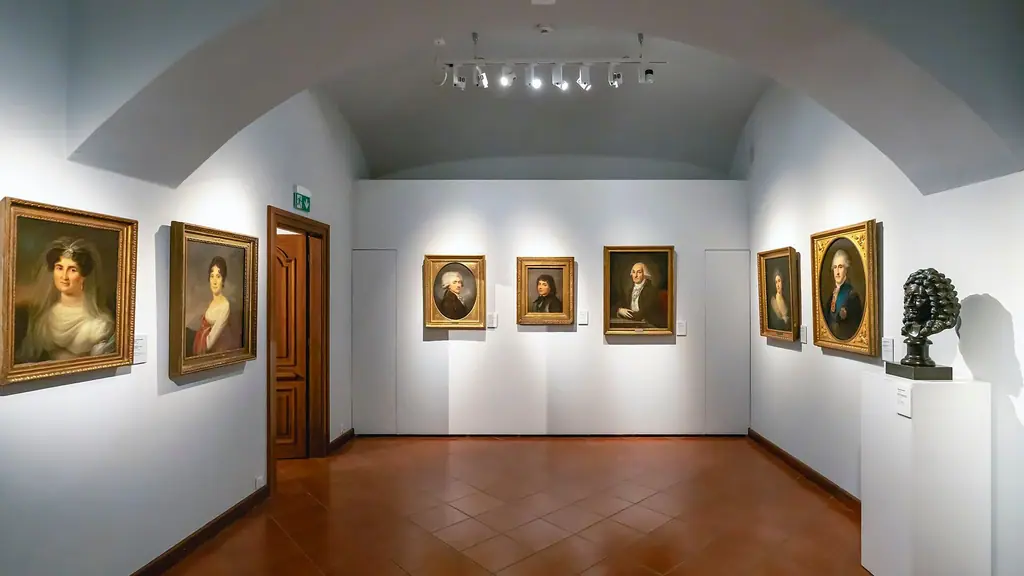
Major museum collections and virtual tours online, from the Smithsonian, The Met and the British Museum, with image reuse rules and classroom ideas.
SCIScience and Mathematics
A shortlist of free, trustworthy science resources by age and subject: biology, chemistry, physics, earth and space, plus simulations and citizen science.
GOVGovernment and Public Information
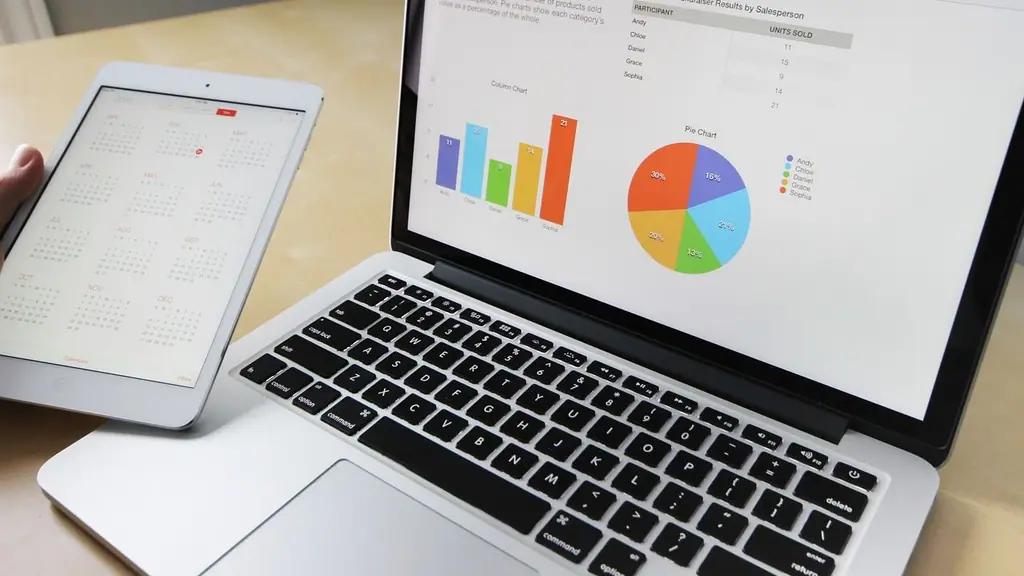
Find, download and sanity-check government open data: Data.gov, Census, World Bank and more, with file formats, citation tips and simple student projects.
RESResearch Tools
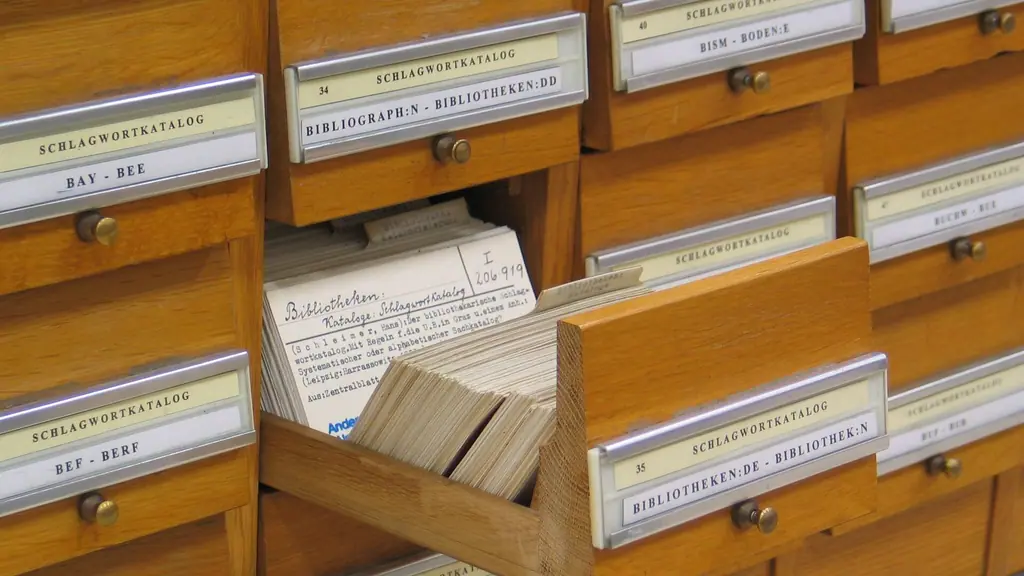
Side-by-side MLA 9, APA 7 and Chicago examples for web pages, news articles, videos, social posts and chatbot output, plus citation generator pitfalls.
SAFInternet Safety
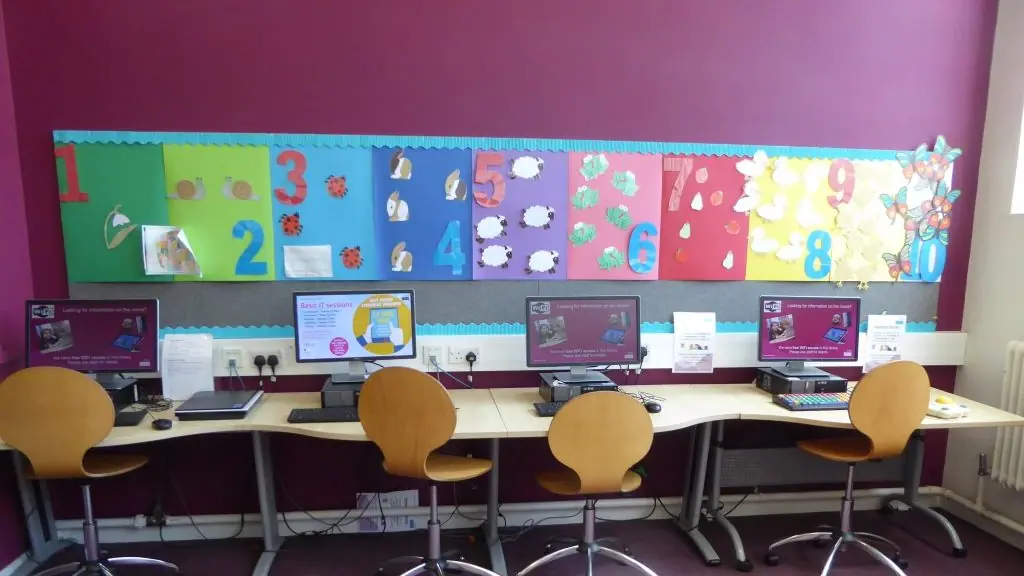
How to set up safer searching for children: trusted starting points, SafeSearch and parental controls, and research habits that protect better than filters.

FAMFor Families
Age-by-age digital skills for families: searching, checking what you find, protecting privacy and being kind online, with activities to try together at home.

SCIScience and Mathematics
Free math resources by level, from arithmetic to calculus: lessons, practice, graphing calculators, open textbooks and university courses, and how to use them.
STUFor Students
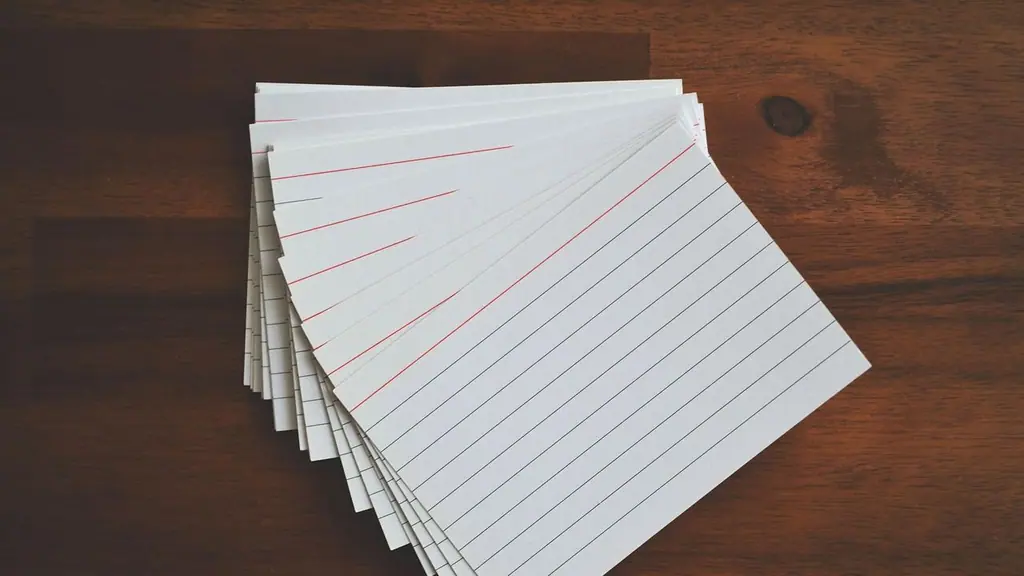
A week-by-week plan for school research projects: narrow a topic, write a question, find and read sources, take notes, then cite them in a bibliography.
DIGDigital Literacy
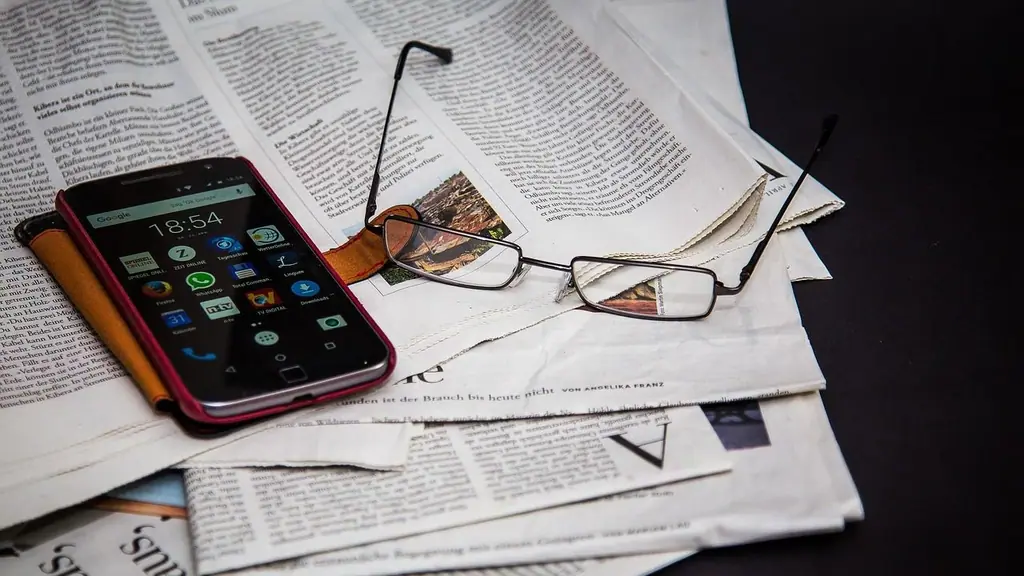
Misinformation, disinformation and malinformation explained: why false claims spread so fast, how prebunking works, and how to talk about it with family.
LIBLibraries and Archives
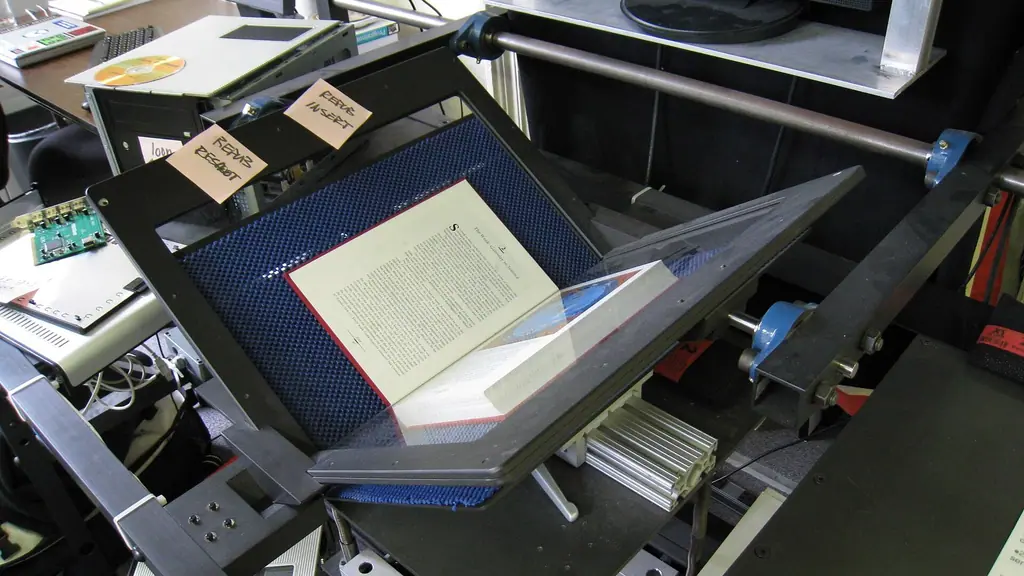
What public domain means under U.S. law, how Public Domain Day works, how to confirm a work's status, and where to find free texts, images and recordings.