Free Language Learning Resources That Actually Work
Build a free language study plan that works: realistic time goals, listening and reading at your level, spaced review, speaking practice and library resources.
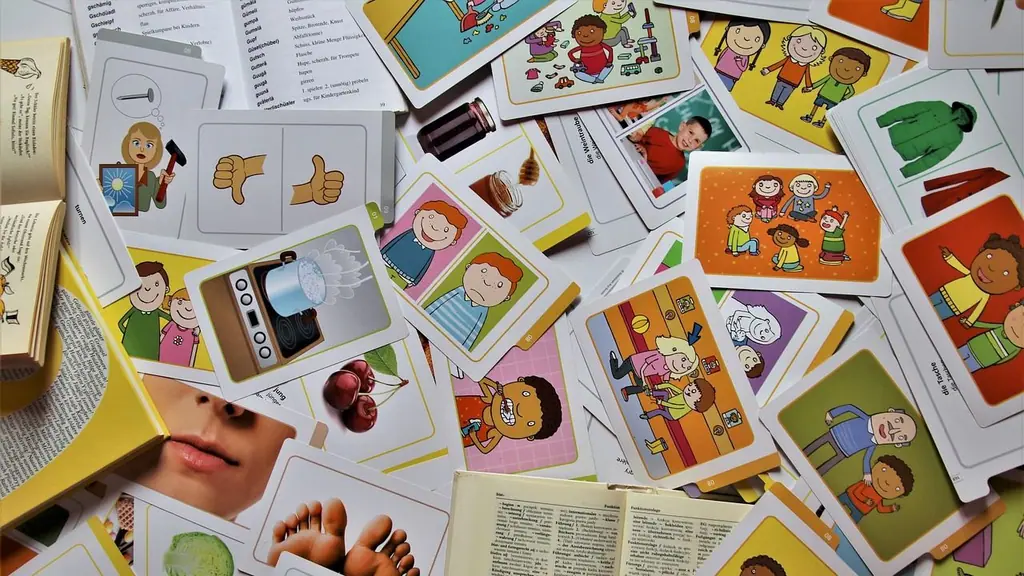
Say you want to hold a simple conversation in Spanish before a family trip next summer, or keep up the French you studied in high school. You download an app, keep a streak going for a few weeks, and then realize you still freeze when someone actually speaks to you.
The problem is rarely the tool. It is usually the mix. Free resources can take you a long way if you combine them so you hear and read plenty of the language, review vocabulary at the right moments, and practice speaking. This guide shows how to set a realistic goal, which kinds of free resources do which jobs, and how to fit them into a weekly routine.
Start with a realistic goal
The clearest public benchmark comes from the U.S. State Department's Foreign Service Institute (FSI), which trains diplomats. It publishes the time its full-time students usually need to reach professional working proficiency, a score of 3 for speaking and listening on the Interagency Language Roundtable scale. Its "typical week" is 23 hours in class plus 17 hours of self-study.
| FSI category | Typical length | Example languages |
|---|---|---|
| Category I | 24–30 weeks (552–690 class hours) | Spanish, French, Italian, Portuguese, Dutch, Swedish |
| Category II | About 36 weeks (828 class hours) | German, Indonesian, Swahili, Haitian Creole |
| Category III | About 44 weeks (1,012 class hours) | Russian, Hindi, Greek, Turkish, Vietnamese, Polish |
| Category IV | 88 weeks (2,200 class hours) | Arabic, Mandarin, Cantonese, Japanese, Korean |
FSI notes that actual time varies with a learner's natural ability, prior language experience and time in the classroom. These figures describe English speakers in intensive, teacher-led courses, so treat them as a sense of scale, not a deadline. The lesson for a self-taught learner is that consistent hours matter more than any single app.
It also helps to define success as things you can do. ACTFL, the national organization for language educators, describes proficiency in terms of what a person can accomplish with the language in real, unrehearsed situations, across listening, speaking, reading and writing. "Order food and ask for directions," "follow the main points of a news report" and "write an email to a host family" are goals you can test yourself against.
The four ingredients of a good routine
Whatever the language, a balanced routine covers four needs.
- Lots of language you can mostly understand. Listening and reading at a level slightly above your comfort zone builds vocabulary and an ear for grammar. Learner podcasts, slowed-down news, graded readers and children's books all count.
- Spaced review of vocabulary. A major review of study techniques, published by the Association for Psychological Science, rated practice testing and distributed practice (spreading study out over time) as high-utility techniques that help learners of many ages. Flashcard apps that make you recall a word and then schedule the next review at growing intervals put both into practice.
- Speaking and writing with feedback. You get better at producing the language by producing it: speaking aloud, writing short texts, and having someone correct you.
- Daily contact. Twenty to thirty minutes most days usually beats a three-hour session once a week, for the same reason spaced review works.
A free toolkit, by job
Every resource type below has free options. Many specific services are listed in the curated resources at the end of this guide.
| Job | Free options to look for | Notes |
|---|---|---|
| Structured course | Public broadcasters' language courses (for example DW for German, TV5MONDE for French), FSI courses, OpenLearn and university open courseware | Broadcasters' courses are current and free. FSI courses are older materials |
| Daily practice app | Apps with free tiers, such as Duolingo | Good for habit and basic vocabulary; supplement with real listening |
| Vocabulary review | Spaced-repetition flashcards, such as Anki | Make your own cards from words you meet in context |
| Listening and reading | Learner news sites, podcasts, public domain audiobooks from LibriVox, ebooks and audiobooks in other languages through your library's Libby app | Choose material where you understand most words |
| Pronunciation | Forvo (words recorded by native speakers), the interactive IPA chart | Listen, then record yourself and compare |
| Dictionaries | Bilingual dictionaries such as WordReference, learner's dictionaries, Wiktionary | Look up whole phrases, not just single words |
| Example sentences | Tatoeba, a collaborative collection of translated sentences | Useful for seeing words in context |
| Library courses | Many public libraries license full language courses, such as Mango Languages, for cardholders | Ask your library or check its online resources page |
A note on the FSI courses: the U.S. government developed them for diplomats, mostly decades ago, and they are in the public domain. An independent website collects the texts and audio for download. They are thorough and drill-heavy, but some vocabulary and situations are dated, so pair them with current listening.
Mango's library page states that "a library card is all it takes," and that the courses cover more than 70 languages. Whether your library offers Mango or a similar service varies, so check before signing up for anything paid.
For learners of English, broadcasters and cultural organizations such as BBC Learning English, VOA Learning English and the British Council publish free lessons, and USA Learns offers free English courses for adults.
Tip: Before paying for any language subscription, check your public library's website for language courses, foreign-language ebooks and audiobooks, and conversation groups. Many libraries host free in-person conversation circles.
A weekly plan you can start this week
Here is a worked example for a beginner in Spanish with about 30 minutes a day. Adjust the language and resources to suit you.
| Day | 10 minutes | 15 minutes | 5 minutes |
|---|---|---|---|
| Monday–Friday | Flashcard review of due cards; add 5 new words from yesterday's listening | One structured lesson, or one short learner podcast episode or news story | Read a sentence or two aloud, copying a native speaker's rhythm |
| Saturday | Flashcard review | Longer listening: a children's show, an audiobook chapter, a song with lyrics | Write five sentences about your week and check them with a dictionary |
| Sunday | Flashcard review | Revisit the week's hardest lesson | Speak for two minutes about a picture or your plans, and record it |
Once a month, listen back to your first recording and note what has improved. That beats any streak counter as a measure of progress.
Getting speaking practice safely
Speaking with real people is the step most self-learners skip, and it makes the biggest difference to confidence.
- Start with yourself. Shadowing (repeating a recording a half-second behind the speaker) and describing your day aloud build fluency without an audience.
- Find local, supervised groups. Libraries, community colleges and cultural centers often run free conversation tables.
- Use school options. Students can ask world-language teachers about clubs, pen-pal programs and practice partners.
Safety: Online language-exchange apps and websites connect strangers. Children and younger teens should practice only through school-arranged or library programs, with an adult aware of who they are talking to. At any age, keep personal details such as your address, school and schedule private, and move to video calls only with people you have verified through a trusted program.
Using apps and translators wisely
- Apps are a habit tool, not a whole course. They work well for regular contact and vocabulary. Add real listening and speaking, or progress stalls.
- Machine translation is a dictionary, not a tutor. It is useful for checking meaning but hides grammar you need to learn, and it can be wrong. Our guide to online translation tools explains their strengths and limits.
- Check school rules. If you are taking a language class, using a translator for graded writing may break the rules. Ask your teacher what is allowed.
- Check privacy for children. Read an app's age requirements and privacy settings before a child creates an account.
For more general dictionaries and pronunciation guides, see our page on free online dictionaries. For open courses in many subjects, including languages, see our guide to free online courses. The full set of language resources in the directory is on the Language Learning subject page.
Checklist: Goal written as can-do tasks. Daily time set, even 20 minutes. One structured course or lesson source chosen. Listening or reading material at the right level found. Spaced-repetition flashcards started with words from real material. Speaking practice built in, with safe, supervised options for young learners. Library checked for free courses and foreign-language books. Monthly self-recording to track progress.
Curated resources
Checked by hand from the Language Learning shelf of the library. Each entry says what it costs and when we last verified it.
Anki
Anki (open source project)apps.ankiweb.net
A flashcard program that uses spaced repetition to help you remember vocabulary, facts and concepts. Widely used for language learning and medical study, it schedules reviews so you study efficiently.
Using it: Free on desktop, web and Android; the iOS app is paid.
Verified
BBC Learning English
BBCbbc.co.uk
Free English lessons from the BBC covering grammar, vocabulary, pronunciation and news English. Short video and audio programs at different levels make it a trusted resource for learners worldwide.
Using it: Free, no account.
Verified
Cambridge Dictionary
Cambridge University Press & Assessmentdictionary.cambridge.org
A free online dictionary with learner-friendly English definitions, audio pronunciations, grammar guidance and bilingual dictionaries for many languages. Clear examples and level labels make it especially useful for English learners and for checking British and American usage.
Using it: Free with ads; optional account for word lists.
Verified
DeepL Translator
DeepL SEdeepl.com
A machine translation service known for natural-sounding results in many languages. Useful for understanding foreign-language texts and checking drafts, though learners should treat output as a starting point and verify important translations.
Using it: Free with character limits; paid plans add document translation and privacy features. Avoid pasting sensitive text.
Verified
Duolingo
Duolingo, Inc.duolingo.com
A popular app and website for learning languages through short, game-like lessons. Courses in dozens of languages build vocabulary and basic grammar through daily practice, best used alongside conversation and reading for well-rounded progress.
Using it: Free with ads; paid subscription removes ads and adds features. Account required; 13+ unless under a parent or school account.
Verified
DW Learn German
Deutsche Wellelearngerman.dw.com
Free German courses from Germany's international broadcaster, from beginner to advanced levels. Lessons combine video, audio, grammar explanations and exercises, plus news in slow German, making it a complete and trustworthy path for independent learners.
Using it: Free; optional account to save progress.
Verified
Forvo
Forvo Mediaforvo.com
A pronunciation dictionary with millions of words recorded by native speakers in hundreds of languages. Hear how names, places and everyday words are actually pronounced, often by several speakers from different regions.
Using it: Free to listen; account required to add pronunciations. Contains ads.
Verified
FSI Language Courses
Volunteer archive of U.S. Foreign Service Institute materialsfsi-language-courses.org
An archive of public domain language courses originally developed by the U.S. Foreign Service Institute for diplomats. Though dated, the drills and audio are thorough and cover dozens of languages, including less commonly taught ones.
Using it: Free; materials are older public domain courses with audio.
Verified
Gallica (Bibliothèque nationale de France)
Bibliothèque nationale de Francegallica.bnf.fr
The digital library of the national library of France, offering millions of digitized books, manuscripts, newspapers, maps, prints and recordings. A key source for French history and literature, and a rich supply of authentic texts for advanced students of French.
Using it: Free. Interface available in English; most documents are in French. Commercial reuse may need permission.
Verified
Google Books Ngram Viewer
Googlebooks.google.com
A tool that charts how often words and phrases appear in millions of digitized books over time. It reveals changes in language and the rise and fall of ideas, useful for linguistics, history and writing projects.
Using it: Free, no account. Results reflect digitized books only, not all writing.
Verified
Interactive IPA Chart
ipachart.com (independent)ipachart.com
An interactive chart of the International Phonetic Alphabet where you can click any symbol to hear its sound. Helpful for language learners, linguistics students and teachers explaining pronunciation.
Using it: Free, no account.
Verified
Jisho
Jisho.org (independent)jisho.org
A powerful online Japanese-English dictionary that searches words, kanji and example sentences. It supports searching by radicals and handwriting, making it a staple for Japanese learners.
Using it: Free, no account.
Verified
LearnEnglish (British Council)
British Councillearnenglish.britishcouncil.org
Free English learning resources from the British Council, including grammar, vocabulary, listening and reading activities organized by level. Clear explanations and practice exercises suit learners preparing for study or work.
Using it: Free; optional account. Some courses are paid.
Verified
LibriVox
LibriVox (volunteer project)librivox.org
Free audiobooks of public domain books, read and recorded by volunteers around the world. Thousands of titles span classic fiction, poetry, history and non-English works, useful for listening practice, accessible reading and enjoying literature while commuting or doing other tasks.
Using it: Free, no account needed. Recording quality varies by volunteer reader.
Verified
Merriam-Webster
Merriam-Webster, Inc. (Encyclopaedia Britannica)merriam-webster.com
A leading American English dictionary with definitions, pronunciations, etymologies, usage notes and a thesaurus. Example sentences, word origins and a learner's dictionary make it practical for students and writers checking meaning, spelling and usage in American English.
Using it: Free with ads; a paid subscription removes ads and adds the unabridged dictionary.
Verified
Online Etymology Dictionary
Online Etymology Dictionary (independent)etymonline.com
A long-running reference that traces the origins and historical development of English words and phrases. Entries explain where words came from, how meanings shifted and when they first appeared in English, ideal for word lovers, writers and students studying language history.
Using it: Free with ads; ad-free option available to supporters.
Verified
Oxford Learner's Dictionaries
Oxford University Pressoxfordlearnersdictionaries.com
Free English dictionaries designed for learners, with simple definitions, British and American audio pronunciations, example sentences and grammar notes. Word lists and level labels help learners focus on the most important vocabulary, making it a strong reference for English language study.
Using it: Free with ads; no account needed for core dictionary features.
Verified
Tatoeba
Tatoeba Association (nonprofit)tatoeba.org
A collaborative database of example sentences and their translations in hundreds of languages. Learners can see words in context, compare translations and hear audio for many sentences, which is excellent for vocabulary study and flashcard building.
Using it: Free, no account to search. Volunteer contributions vary in accuracy.
Verified
TV5MONDE Apprendre le français
TV5MONDEapprendre.tv5monde.com
Free French lessons built around real TV5MONDE videos, with exercises for all levels from beginner to advanced. Learners practice listening and comprehension with authentic media from across the French-speaking world.
Using it: Free; optional account.
Verified
Unite for Literacy
Unite for Literacyuniteforliteracy.com
A free online library of picture books for young readers, many with audio narration in dozens of languages. Families and teachers can use it to support early literacy and home languages, and the simple, photo-rich books suit emerging readers and English learners.
Using it: Free, no account.
Verified
USA Learns
Sacramento County Office of Educationusalearns.org
Free online courses for adults learning English, with video lessons, practice activities and citizenship preparation. Designed for immigrants and adult learners in the United States, it is also used by adult education programs.
Using it: Free; account required.
Verified
VOA Learning English
Voice of Americalearningenglish.voanews.com
English learning materials from Voice of America, featuring news stories read at a slower pace with simplified vocabulary. Lessons for beginners through intermediate learners build listening and reading skills.
Using it: Free, no account.
Verified
Wiktionary
Wikimedia Foundation (community-run)en.wiktionary.org
A free, collaboratively written dictionary that covers words from thousands of languages, with definitions, etymologies, pronunciations, translations and inflection tables. Especially helpful for language learners and for looking up uncommon words, slang or words in less widely taught languages.
Using it: Free, no ads. Volunteer-edited, so double-check unusual claims in an edited dictionary.
Verified
WordReference
WordReference.comwordreference.com
A popular bilingual dictionary for English with Spanish, French, Italian, German and other languages. Its active language forums discuss tricky translations and idioms, which helps learners find accurate, natural phrasing.
Using it: Free with ads; forums require an account.
Verified
Sources
- Foreign Language Training, U.S. Department of State, Foreign Service Institute
- ACTFL Proficiency Guidelines Overview, ACTFL
- Improving Students' Learning With Effective Learning Techniques, Association for Psychological Science
- FSI Language Courses, FSI Language Courses (independent archive)
- Mango for Libraries, Mango Languages