GOVGovernment and Public Information
Legal Topics Explained: Where to Find Reliable Free Information
Free, official sources on business, employment, criminal, mediation, consumer, family and forensic science topics. General legal information, not advice.
Legal questions rarely arrive labeled. "Can my boss skip my overtime?" is employment law; "Can I get my money back from this website?" is consumer law; "How reliable is fingerprint evidence?" is forensic science. Searching any of them online turns up law firm advertising long before it turns up the agency that actually enforces the rule.
This page is organized by topic so you can jump straight to the area you need. For each, it explains the basics in plain language and points to official agencies, courts and established nonprofit sources. It offers general information, not legal advice.
Checklist: Before you rely on any legal information, ask (1) which jurisdiction it covers, since most family, criminal and consumer law is state law; (2) whether it is current; (3) who published it; and (4) whether a deadline might apply to you. For advice about your own situation, consult a qualified attorney, a legal aid organization or the agency responsible.
How to start any legal question
- Learn the vocabulary. Cornell Law School's free Wex dictionary explains legal terms in plain English.
- Identify whose law applies. Federal agencies handle federal law; state courts, legislatures and agencies handle most everyday disputes. Our guide to state laws, codes and statutes shows where each state publishes its laws.
- Look for your court's self-help center. Most state court systems run free self-help websites and centers with forms and instructions; see free legal forms from official sources.
- Check whether you qualify for free help. USAGov's legal aid page points to the Legal Services Corporation, which funds civil legal aid for people with low incomes, and to LawHelp.org, a nonprofit directory of free legal help by state. If you need a lawyer, your state or local bar association's lawyer referral service can usually arrange an initial consultation.
Business law
Starting and running a business touches federal tax law, state registration rules and often local licensing.
- The U.S. Small Business Administration explains how to plan, register, fund and manage a business and connects owners with free counseling through its resource partners.
- The IRS small business pages cover employer identification numbers, business structures and tax obligations.
- State business registries, usually run by the secretary of state, handle company formation and public records; see how to look up a company.
- The U.S. Patent and Trademark Office explains patents and trademarks and offers free searching.
Employment law
Federal law sets a floor for wages, safety and fair treatment at work, and many states add stronger protections.
- The Department of Labor's Wage and Hour Division enforces federal minimum wage, overtime and child labor rules and takes complaints about unpaid wages.
- OSHA covers workplace safety and explains workers' rights to a safe workplace and to report hazards without retaliation.
- The Equal Employment Opportunity Commission handles discrimination and harassment complaints. Deadlines matter: the EEOC says a charge generally must be filed within 180 calendar days of the discrimination, extended to 300 days where a state or local agency enforces a similar law.
Tip: Teens with jobs should know that federal and state child labor laws limit hours and types of work for workers under 18. If you are unsure whether a schedule or task is allowed, ask the Wage and Hour Division or your state labor department.
Criminal law
Criminal cases are brought by the government, not by the victim, and most are prosecuted in state courts under state law. Federal crimes are prosecuted by U.S. Attorneys in federal court.
- U.S. Courts explains each step of a federal criminal case, from investigation and charges to trial, sentencing and appeal, on its "Criminal Cases" page.
- Constitutional protections for people accused of crimes, including the rights to remain silent, to a lawyer and to a jury trial, come from the Fifth and Sixth Amendments; see our guide to the constitutional amendments.
- The Justice Department's Office for Victims of Crime explains victims' rights and funds services for crime victims.
- The Bureau of Justice Statistics publishes official national data on crime and the justice system, useful for research papers.
Alternative dispute resolution (ADR) and mediation
ADR means resolving disputes without a full trial. Wex describes the main forms: negotiation, where the parties work it out directly; mediation, where a neutral mediator helps them reach their own agreement; and arbitration, where a neutral arbitrator hears both sides and makes a decision that may be binding.
- Many courts refer cases to mediation, and many communities have nonprofit mediation centers for neighbor, landlord-tenant and family disputes.
- The EEOC runs a free, voluntary mediation program as an alternative to investigating some discrimination charges.
- Before signing a contract, look for an arbitration clause; it may limit your ability to go to court later.
Consumer law
Consumer protection covers scams, unfair business practices, credit, debt collection and product safety.
- The Federal Trade Commission publishes plain-language consumer advice and takes fraud reports at ReportFraud.ftc.gov.
- The Consumer Financial Protection Bureau accepts complaints about banks, credit cards, loans, credit reports and debt collectors.
- State attorneys general enforce state consumer laws; USAGov lists every office.
- Small claims court, run by state and local courts, lets people resolve smaller money disputes without a lawyer; limits and procedures vary by state.
Family law
Marriage, divorce, custody, child support, adoption and guardianship are almost entirely governed by state law and handled in state courts, so the most useful information usually comes from your state court's self-help pages.
- The federal Office of Child Support Enforcement explains how child support programs work and links to each state's agency.
- The Child Welfare Information Gateway offers information on adoption, foster care and child protection.
- The Justice Department's Office on Violence Against Women explains protections and services related to domestic violence.
Safety: If you or someone you know is in danger at home, call 911. The National Domestic Violence Hotline offers free, confidential help by phone at 1-800-799-7233 (SAFE), by chat, or by texting START to 88788. Consider using a device the other person cannot access when you look for help.
Forensic science
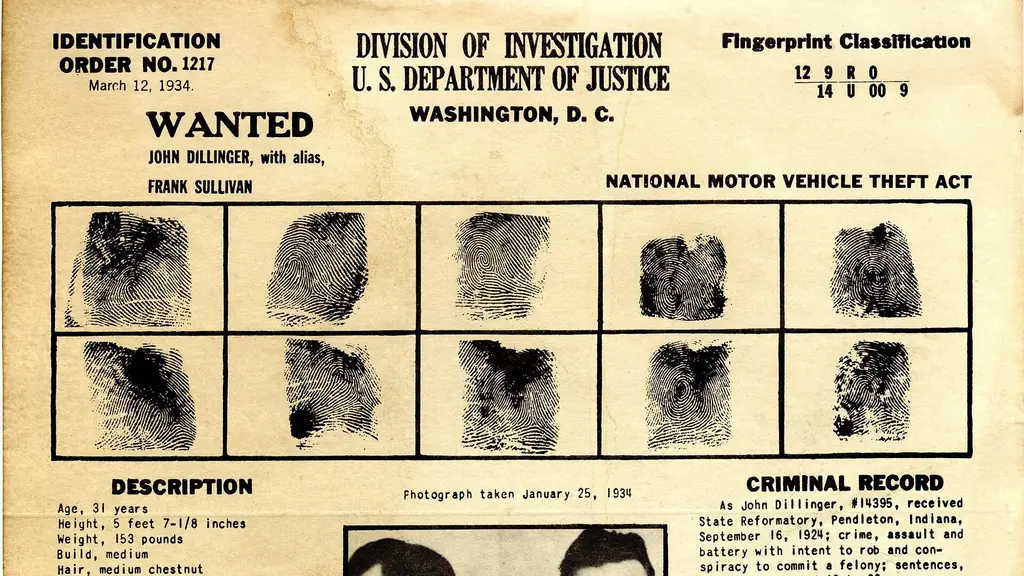
Forensic science applies scientific methods to questions that arise in legal cases, from DNA and drug analysis to fingerprints, firearms and digital evidence. Television makes it look fast and certain; in reality, methods vary in reliability, and courts decide what expert evidence to allow.
- NIST, the federal measurement science agency, conducts forensic research in areas including digital evidence, drugs and toxicology, firearms and toolmarks, forensic genetics and trace evidence, and supports the development of forensic standards.
- NIST also administers the Organization of Scientific Area Committees for Forensic Science (OSAC), which works to strengthen and publish standards for forensic disciplines.
- The National Institute of Justice, the Justice Department's research agency, funds and summarizes forensic research and explains how forensic evidence is used.
For a broader tour of free legal research tools, see Gavel2Gavel revisited, and for court records, finding courts and court opinions.
Recommended resources
- USAGov: Legal Aid — An official starting point for finding free and low-cost legal help, with links to legal aid, pro bono and law school programs. Free.
- Legal Services Corporation: I Need Legal Help — Find LSC-funded civil legal aid organizations by address; services are for people with low incomes. Free.
- LawHelp.org — A nonprofit directory of free legal aid and self-help information organized by state. Free (Pro Bono Net).
- Wex Legal Dictionary — Plain-English definitions of legal terms and concepts. Free (Legal Information Institute, Cornell Law School).
- U.S. Courts: Educational Resources — Explanations of how federal courts and cases work, with classroom activities. Free.
- U.S. Small Business Administration — Guidance on starting, funding and managing a small business, plus free counseling. Free.
- DOL Wage and Hour Division — Federal minimum wage, overtime and child labor rules, and how to file a wage complaint. Free (U.S. Department of Labor).
- OSHA: Worker Rights and Protections — Workers' rights to a safe workplace and how to file a safety complaint. Free.
- EEOC — How to file a workplace discrimination charge, deadlines, and the agency's mediation program. Free.
- ReportFraud.ftc.gov — Report scams and bad business practices to the Federal Trade Commission. Free; no account needed.
- CFPB: Submit a Complaint — File complaints about financial products and services. Free (Consumer Financial Protection Bureau).
- USAGov: State Attorneys General — Contact information for every state attorney general's office. Free.
- Child Welfare Information Gateway — Information on adoption, foster care and child protection for families and professionals. Free (U.S. Department of Health and Human Services).
- NIST: Forensic Science — Federal research and standards work across forensic disciplines. Free.
- NIJ: Forensic and Investigative Sciences — Research summaries and resources on how forensic evidence is developed and used. Free (National Institute of Justice).
Sources
- Find a lawyer for affordable legal aid, USAGov
- Educational Resources, Administrative Office of the U.S. Courts
- Wex, Legal Information Institute, Cornell Law School
- Time Limits For Filing A Charge, U.S. Equal Employment Opportunity Commission
- Forensic science, National Institute of Standards and Technology
- Wage and Hour Division, U.S. Department of Labor